 العربية
 English

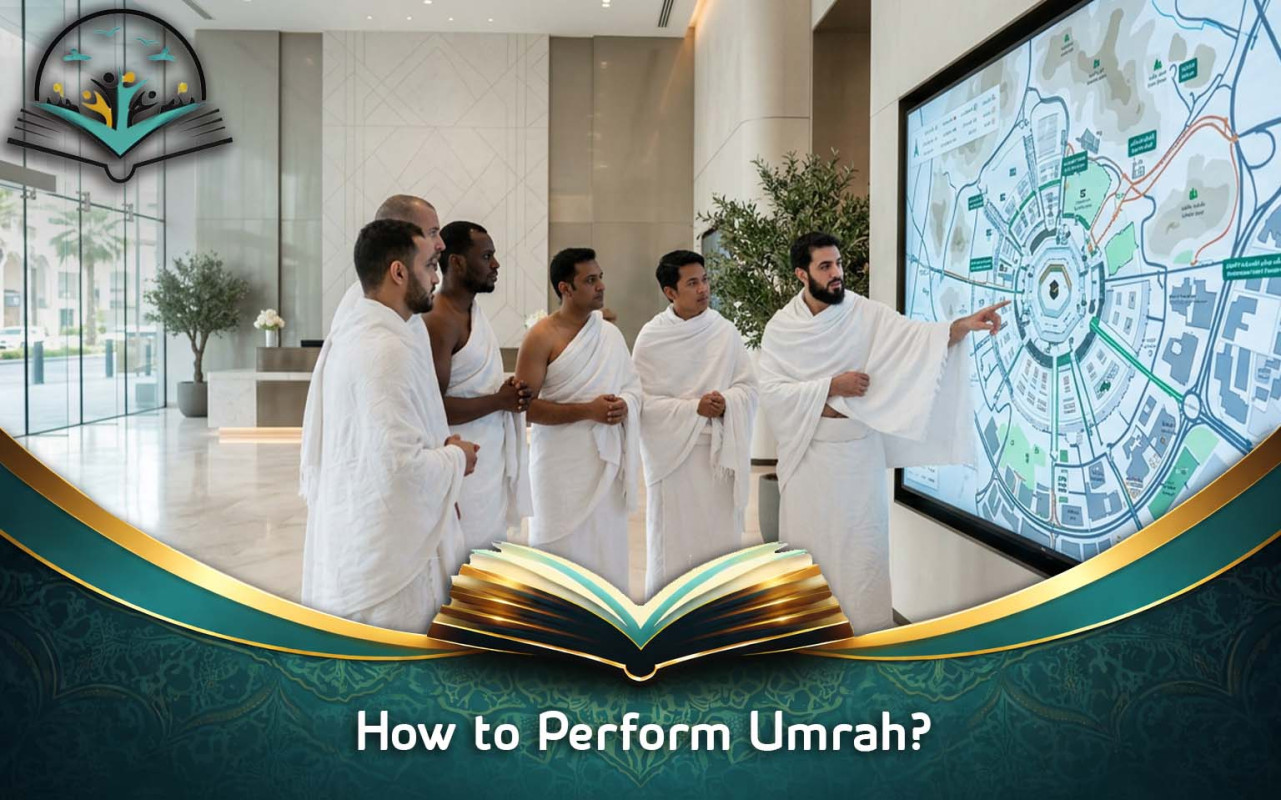
How to perform Umrah is one of the most frequently searched topics by Muslims preparing to visit the Sacred House for the first time. Understanding each step before traveling helps pilgrims complete every ritual with confidence, sincerity, and peace of mind.
At Rattel Wartaqi Quran Academy, we are dedicated to providing authentic Islamic guidance that makes learning the rituals of Umrah simple and accessible for Muslims around the world. Umrah is a blessed act of worship that strengthens faith, brings believers closer to Allah, and follows the Sunnah of the Prophet Muhammad ﷺ.
Although its rituals are fewer than those of Hajj, each step has great spiritual significance and should be performed correctly. This comprehensive guide explains how to perform Umrah step by step, including preparation, Ihram, Tawaf, Sa'i, essential rulings, common mistakes to avoid, and practical tips to help you complete your Umrah with confidence and devotion.
What Is Umrah?
Umrah is an act of worship performed at the Sacred Mosque in Makkah that includes specific rituals carried out in a particular order. Although it is often called the "minor pilgrimage," its spiritual value is immense, offering Muslims an opportunity to renew their faith, seek forgiveness, and draw closer to Allah.
Unlike Hajj, Umrah is not restricted to a specific period of the Islamic calendar. It may be performed during most times of the year, making it accessible to Muslims whenever they can travel.
One reason many people search for how to perform Umrah is that they want to understand not only the physical rituals but also the purpose behind them. Every act of worship during Umrah reminds believers of sincerity, humility, obedience, and complete reliance upon Allah.
Begin Your Spiritual Journey With Trusted Quran Guidance
Take the next step toward deeper Quran understanding with Rattel W Artaqi Quran Academy and start learning with confidence today. Our experienced teachers provide supportive online classes designed for children, adults, and beginners who want to improve recitation, Tajweed, and Islamic knowledge.
We focus on clear explanations, flexible schedules, and practical learning that fits your daily life. Join our academy now and build a stronger connection with the Holy Quran through engaging lessons that inspire spiritual growth, discipline, and lasting faith for every student.

The Difference Between Umrah and Hajj
Although both pilgrimages take place in Makkah and include similar acts such as Tawaf and Sa'i, they are different in several important ways.
Hajj is one of the five pillars of Islam and becomes obligatory once in a lifetime for Muslims who possess both the financial means and physical ability to undertake the journey. It is performed only during specific days of Dhul Hijjah and includes additional rituals such as standing at Arafat, staying in Muzdalifah, and spending time in Mina.
Umrah, on the other hand, is shorter and consists of fewer rituals. It does not include the standing at Arafat or the rites performed in Mina and Muzdalifah. While highly virtuous, it is separate from the obligation of Hajj.
Understanding this distinction helps pilgrims appreciate the unique purpose of each journey without confusing their rulings or requirements.
Why Do Muslims Perform Umrah?
For many believers, Umrah represents an opportunity to leave behind the distractions of daily life and dedicate themselves entirely to worship.
Pilgrims travel from every corner of the world with the hope of earning Allah's pleasure, seeking His forgiveness, increasing their faith, and making heartfelt supplications near the Kaaba.
The journey also reminds Muslims that every person stands equally before Allah regardless of nationality, wealth, language, or social status. Wearing simple clothing and performing the same rituals together reinforces humility and unity within the Muslim community.
Rather than being viewed as a cultural tradition, Umrah should be understood as a sincere act of devotion performed with the intention of pleasing Allah alone.
Preparing Before Performing Umrah
Preparing for Umrah begins before arriving in Makkah. Learning how to perform Umrah involves both spiritual and practical preparation, helping pilgrims complete every ritual with confidence and peace of mind.
Make a Sincere Intention (Niyyah)
Begin your journey with a sincere intention to seek Allah’s pleasure alone. Pray for an accepted Umrah, an easy journey, and spiritual benefit, while renewing your intention throughout the pilgrimage.
Learn the Basic Umrah Rituals
Before traveling, learn the main steps of Umrah, including Ihram, Tawaf, Sa'i, and shaving or trimming the hair. Understanding these rituals beforehand helps you perform each stage with confidence and peace.
- Entering the state of Ihram.
- Performing Tawaf around the Kaaba.
- Completing Sa'i between Safa and Marwah.
- Shaving or trimming the hair to complete Umrah.
Prepare Your Travel Essentials
Ensure your passport, visa, and other travel documents are valid. Pack comfortable footwear, Ihram-friendly personal care items, necessary medications, a reusable water bottle, and suitable clothing. Keeping your luggage light makes traveling easier.
Understand the Rules of Ihram
Before entering Ihram, learn its essential rules and prohibited actions, such as using perfume or cutting hair and nails. Understanding these guidelines helps you avoid mistakes and perform your Umrah correctly.
Good preparation combines sincere faith, basic knowledge, and careful planning, allowing pilgrims to begin their Umrah with confidence, peace, and complete focus on worship.
How to Perform Umrah Step by Step?
Understanding how to perform Umrah in the correct order helps pilgrims worship Allah with confidence and sincerity. At Rattel Wartaqi Quran Academy, students learn each ritual according to the Quran and Sunnah. It is also helpful to understand what Hajj is in Islam to recognize the differences between Hajj and Umrah.
Step 1: Enter the State of Ihram
The first step is entering Ihram before crossing the Miqat. If you are wondering what Ihram is, it is a sacred state of worship that begins with a sincere intention and requires following specific Islamic rulings until Umrah is completed.
Perform Ghusl and Prepare Yourself
Before wearing the Ihram garments, perform Ghusl if possible. Otherwise, completing wudu step by step is sufficient. Pilgrims should also trim their nails, remove unwanted hair beforehand, and prepare themselves physically and spiritually.
Wear the Ihram Garments
Men wear two plain white, unstitched cloths, while women wear modest Islamic clothing without covering the face or hands. What is Ihram reminds every believer that all Muslims are equal before Allah.
Make the Intention and Recite the Talbiyah
At the Miqat, make your intention for Umrah and begin reciting the Talbiyah until reaching Masjid al-Haram. Rattel Wartaqi Quran Academy encourages students to understand the meaning of the Talbiyah to strengthen their connection with Allah.
Step 2: Arrive at Masjid al-Haram
Enter Masjid al-Haram calmly with your right foot while reciting the recommended supplication. Seeing the Kaaba for the first time is a special moment to praise Allah and make sincere dua before starting Tawaf. Reviewing how to pray in Islam or taking a prayer lesson for beginners can also help pilgrims perform their prayers with greater confidence during Umrah.
Step 3: Perform Tawaf Around the Kaaba
After entering Masjid al-Haram, pilgrims begin Tawaf by walking around the Kaaba seven times in a counterclockwise direction, starting and ending at the Black Stone.
Begin at the Black Stone
If possible, pilgrims may kiss or touch the Black Stone without harming others. If the area is crowded, simply face it, raise your hand, and say "Allahu Akbar." Islam emphasizes kindness and safety over pushing through crowds.
Complete Seven Circuits
Complete seven circuits while remembering Allah. During Tawaf, you may recite the Quran, make personal dua, perform Dhikr, seek forgiveness, or send blessings upon the Prophet ﷺ. There are no specific supplications required for each round.
Tawaf Tips
Walk calmly, avoid pushing, respect other pilgrims, and pause to join the congregational prayer if it begins. Tawaf is an act of devotion that should be performed with patience and humility.
Step 4: Pray Two Rak'ahs
After Tawaf, perform two Rak'ahs in gratitude to Allah. If possible, pray behind Maqam Ibrahim; otherwise, any place inside Masjid al-Haram is suitable. After the prayer, spend a few moments making sincere dua.
Step 5: Drink Zamzam Water
Next, drink Zamzam water and ask Allah for beneficial knowledge, good health, forgiveness, and acceptance of your Umrah. Although it is a Sunnah, drinking Zamzam is one of the most cherished parts of the pilgrimage.
Step 6: Perform Sa'i Between Safa and Marwah
Sa'i is the next essential ritual of Umrah, commemorating Hajar's (peace be upon her) trust in Allah as she searched for water for her son Isma'il.
At Rattel Wartaqi Quran Academy, students learn the spiritual lessons behind Sa'i, making this act of worship more meaningful.
Complete the Seven Trips
Begin at Safa, make dua, and walk to Marwah. This counts as one trip. Continue until you complete seven trips, ending at Marwah.
Between the two green markers, men are encouraged to walk at a faster pace, while women continue walking normally.
Throughout Sa'i, remember Allah, make personal supplications, and reflect on the values of patience, perseverance, and complete reliance upon Him.
Essential Umrah Rules Every Pilgrim Should Know
Learning how to perform Umrah involves more than memorizing the order of the rituals. Every pilgrim should also understand the basic rulings that govern the journey, especially those related to Ihram, personal conduct, and respect for the sacred places. Knowing these guidelines before traveling helps prevent common mistakes and allows the pilgrim to worship with greater confidence and peace of mind.
Understanding the Restrictions of Ihram
Once a pilgrim enters the state of Ihram, certain actions become prohibited until Umrah is completed. These restrictions are intended to create a mindset of humility, discipline, and complete devotion to Allah. Some of the most important restrictions include:
- Cutting or shaving hair.
- Trimming fingernails or toenails.
- Using perfume or scented products on the body or clothing.
- Hunting or harming wild animals within the sacred limits.
- Engaging in marital relations while in Ihram.
Men must also avoid wearing stitched clothing that is tailored to fit the body, while women continue wearing their normal modest Islamic dress without covering the face or hands.
Understanding these rulings beforehand helps pilgrims avoid accidental violations during their journey.
What Is Allowed During Ihram?
Many first-time pilgrims worry unnecessarily because they assume almost everything becomes prohibited during Ihram. In reality, many everyday activities remain completely permissible. Pilgrims may:
- Take a shower if needed.
- Change into another clean Ihram garment.
- Carry a bag or umbrella.
- Wear sandals that meet the Ihram requirements.
- Eat and drink normally.
- Sleep, rest, and seek medical treatment if necessary.
Knowing what is permitted allows pilgrims to perform Umrah comfortably without unnecessary anxiety.
Show Patience and Good Character
One of the greatest lessons of Umrah is learning patience. Large crowds, long walks, and unexpected delays are all part of the experience. Instead of becoming frustrated, pilgrims should remember that maintaining good manners is itself an act of worship.
Showing kindness to other pilgrims, helping those in need, speaking gently, and avoiding arguments reflect the true spirit of Umrah.
The goal is not only to complete the rituals correctly but also to improve one's character throughout the journey.
Respect the Sacred Mosque
Masjid al-Haram is one of the holiest places on earth. Pilgrims should move calmly, avoid disturbing others, and keep the mosque clean. Loud conversations, unnecessary shouting, and rushing through crowds contradict the peaceful atmosphere that every believer should help preserve.
Simple acts of courtesy—such as making space for others, being patient in crowded areas, and assisting elderly pilgrims—can greatly enhance the experience for everyone.
Dua and Dhikr During Umrah
One of the most beautiful aspects of learning how to perform Umrah is realizing that the journey is filled with opportunities to remember Allah. Every stage of Umrah encourages sincere supplication, gratitude, and reflection.
Rather than focusing on memorizing long lists of phrases, pilgrims should aim to maintain a heart that remains connected to Allah throughout the pilgrimage.
The Talbiyah
After entering Ihram, pilgrims continuously recite the Talbiyah until they reach the Sacred Mosque.
This declaration expresses complete submission to Allah and serves as a constant reminder of the purpose of the journey.
Repeating the Talbiyah with understanding allows the pilgrim to renew sincerity again and again throughout the journey to Makkah.
During Tawaf
Many first-time pilgrims believe that every circuit of Tawaf requires a different prescribed supplication. In reality, there is no authentic requirement to recite a specific dua for each round. Pilgrims may:
- Praise Allah.
- Ask for forgiveness.
- Recite verses from the Quran.
- Make personal supplications.
- Send blessings upon the Prophet ﷺ.
During Sa'i
The same principle applies during Sa'i between Safa and Marwah. Pilgrims are encouraged to remember Allah frequently while reflecting on the remarkable patience and trust shown by Hajar (peace be upon her).
Walking between the two hills becomes much more meaningful when accompanied by sincere remembrance instead of simply focusing on reaching the end.
Make Personal Dua
Umrah offers countless moments for personal supplication. Many pilgrims prepare a list of prayers before traveling, asking Allah for guidance, forgiveness, good health, beneficial knowledge, righteous children, or relief from personal difficulties.
There is no restriction on asking Allah in one's own language. What matters most is sincerity, humility, and complete trust in His mercy.
Common Mistakes to Avoid During Umrah
Even after learning how to perform Umrah, some pilgrims make avoidable mistakes due to misinformation or lack of preparation. Avoiding these errors helps ensure a peaceful and rewarding pilgrimage.
Pushing to Reach the Black Stone
Do not push through crowds to touch or kiss the Black Stone. If you cannot reach it safely, simply face it, raise your hand, and say "Allahu Akbar." Protecting fellow pilgrims is more important than reaching the stone.
Thinking Every Circuit Requires a Specific Dua
There are no obligatory supplications for each round of Tawaf. You may recite the Quran, make personal dua, or remember Allah in your own words.
Rushing Through the Rituals
Umrah is not a race. Perform Tawaf and Sa'i calmly, allowing time for reflection, patience, and sincere worship.
Ignoring the Rules of Ihram
Avoid prohibited actions such as applying perfume or cutting your hair and nails after entering Ihram. Learning these rulings before traveling helps prevent mistakes.
Losing Focus During Worship
Crowds and distractions can shift attention away from worship. Keep your heart focused on remembering Allah and making sincere dua throughout your Umrah.
Performing Umrah correctly means combining the proper rituals with patience, good character, and complete devotion to Allah.
Tips for First-Time Umrah Pilgrims
Your first Umrah is a memorable spiritual journey, and good preparation can help you perform the rituals with comfort and peace of mind. These simple tips will make your experience smoother and more rewarding.
Arrive Early
Visit Masjid al-Haram before peak prayer times whenever possible. Smaller crowds make Tawaf and Sa'i more comfortable and allow for better focus during worship.
Stay Hydrated
Drink water regularly, especially in warm weather. Zamzam water is widely available and helps you stay refreshed throughout the pilgrimage.
Wear Comfortable Footwear
Choose comfortable sandals that meet the requirements of Ihram and are suitable for long walks to help prevent discomfort and blisters.
Remember Your Hotel Location
Save your hotel location on your phone or carry a card with the hotel name and address. This makes it easier to return after completing the rituals.
Be Patient
Crowds and waiting times are part of the Umrah experience. Respond with patience, kindness, and good manners, as these are valuable acts of worship.
Focus on Worship
Avoid unnecessary distractions, such as excessive photography. Spend your time making dua, remembering Allah, and reflecting on the spiritual significance of your journey.
Can You Perform Umrah Without Speaking Arabic?
Yes. Millions of Muslims perform Umrah every year without speaking Arabic fluently. What matters most is sincerity, following the correct rituals, and worshipping Allah with a devoted heart.
Can You Make Dua in Your Own Language?
Absolutely. You may ask Allah in any language you understand. While Arabic supplications are recommended, sincere dua from the heart is always accepted by Allah.
Learn Basic Arabic Phrases
Although fluency is unnecessary, learning the Talbiyah, simple greetings, and common phrases used in the mosque can make your Umrah experience more meaningful and help you follow the rituals with confidence.
Understanding Is Better Than Memorization
Instead of memorizing long supplications, focus on understanding their meanings. This strengthens your concentration and spiritual connection throughout Umrah.
How Long Does Umrah Take?
The time required to complete Umrah depends on crowd levels, prayer times, and your walking pace. Under normal conditions, most pilgrims complete Umrah within 2 to 4 hours, while busy seasons may require more time.
Tawaf and Sa'i Duration
Tawaf usually takes the longest because of the large number of worshippers, especially during peak periods. Sa'i between Safa and Marwah is generally completed more quickly, as the pathway is spacious and well organized.
Factors That Affect the Time
Several factors can influence the duration of Umrah, including:
- Crowd levels.
- Prayer times.
- Walking speed.
- Peak travel seasons.
Many pilgrims prefer quieter hours to perform Tawaf and Sa'i for a more peaceful experience.
The Best Time to Perform Umrah
Umrah can be performed throughout most of the year. While some pilgrims choose less crowded months, others prefer spiritually significant times such as Ramadan despite the larger crowds. Regardless of when you travel, focus on performing each ritual with patience, sincerity, and devotion rather than completing Umrah as quickly as possible.
Spiritual Benefits of Performing Umrah
Learning how to perform Umrah is only part of the journey. Beyond the rituals, Umrah offers a powerful spiritual experience that strengthens faith, brings believers closer to Allah, and inspires lasting positive change.
Strengthening Faith
Standing before the Kaaba and dedicating time to worship helps renew faith, increase devotion, and encourage a stronger commitment to prayer, Quran recitation, and righteous deeds.
Seeking Forgiveness
Umrah is an opportunity to sincerely repent, seek Allah's mercy, and begin a new chapter with greater gratitude and obedience.
Renewing Your Relationship with Allah
Away from daily distractions, pilgrims can focus on remembering Allah, making dua, and strengthening their connection with Him.
Developing Patience
Crowds, long walks, and waiting times teach patience, self-control, and good character—qualities that remain valuable long after returning home.
Appreciating the Unity of Muslims
Umrah brings together Muslims from different countries, cultures, and languages, reminding every believer that Islam unites people through faith, equality, and worship of Allah alone.
How to Prepare Spiritually for Umrah?
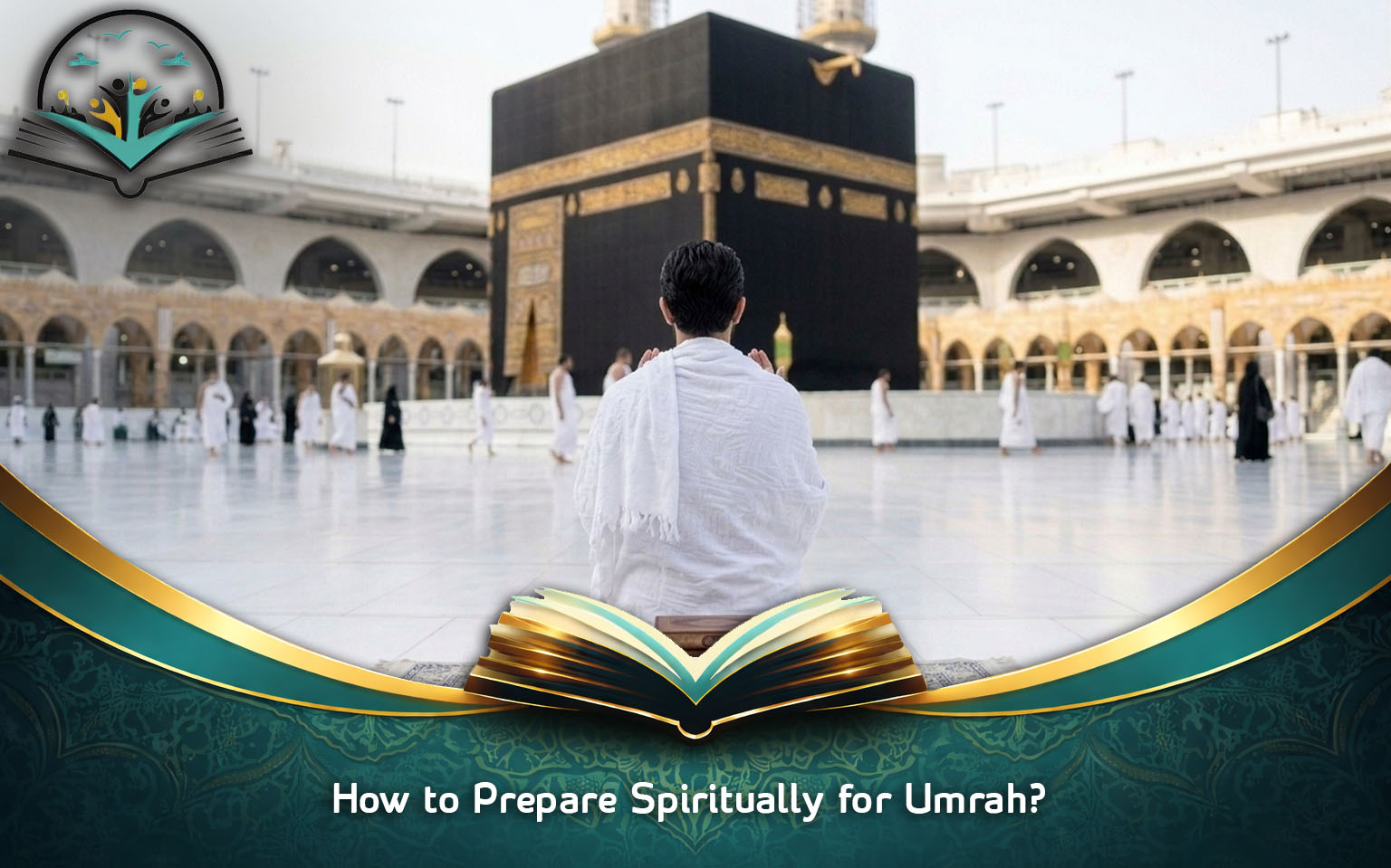
Preparing for Umrah is not only about travel arrangements but also about preparing your heart for worship. Spiritual preparation helps you perform Umrah with sincerity, focus, and devotion.
Renew Your Intention
Begin with a sincere intention to seek Allah's pleasure alone. A pure Niyyah gives every step of your journey greater spiritual value.
Repent and Seek Forgiveness
Before traveling, sincerely repent for your sins, ask Allah for forgiveness, and resolve to improve your relationship with Him after returning home.
Learn the Essential Rulings
Understanding the basic rulings of Umrah before your trip helps you perform every ritual correctly and with confidence.
Increase Your Dua
Spend the days before your journey making heartfelt supplications. Ask Allah to accept your Umrah, protect you during travel, strengthen your faith, and bless your family.
Return with a Better Heart
The true success of Umrah is reflected in the positive changes it brings to your life. Strive to return with stronger faith, better character, and a renewed commitment to obeying Allah.
Frequently Asked Questions
Many first-time pilgrims have practical questions before traveling. The answers below address some of the most common concerns about how to perform Umrah and help clarify important aspects of the pilgrimage.
How do I perform Umrah for the first time?
Begin by entering the state of Ihram at the designated Miqat, make your intention, and recite the Talbiyah. After arriving at Masjid al-Haram, perform seven circuits of Tawaf around the Kaaba, pray two Rak'ahs if possible, drink Zamzam water, complete seven rounds of Sa'i between Safa and Marwah, and finish by shaving or trimming your hair.
How long does it take to complete Umrah?
The time varies depending on crowd levels, prayer times, and individual pace. Many pilgrims complete Umrah within a few hours, while others may take longer during busy seasons. There is no need to rush; calm and mindful worship is always preferable.
Can women perform Umrah without a mahram?
The applicable rulings may differ depending on individual circumstances and the regulations in place at the time of travel. Anyone planning Umrah should review the latest travel requirements and seek guidance from knowledgeable scholars if they have questions related to their specific situation.
What should I say during Tawaf?
There are no mandatory supplications for each circuit. Pilgrims may recite Quran, make personal dua, remember Allah through Dhikr, or ask for forgiveness in any language they understand. Sincerity is more important than memorizing lengthy prayers.
In conclusion, learning how to perform Umrah before traveling allows every pilgrim to complete each ritual with confidence, sincerity, and a clear understanding of its purpose. From entering the state of Ihram to performing Tawaf, Sa'i, and the final step of cutting the hair, every act of worship carries deep spiritual meaning and strengthens your connection with Allah.
Proper preparation, patience, and following the Sunnah help make the experience more peaceful and rewarding. Whether you are performing Umrah for the first time or returning for another blessed visit, taking time to study the rituals ensures a smoother journey and greater focus on worship.
May Allah accept your Umrah, forgive your sins, answer your prayers, and grant you the opportunity to visit His Sacred House again.
Add New Comment