 العربية
 English


Online Quran Recitation Classes help learners improve their pronunciation, understand Tajweed rules, and develop a consistent Quran reading practice from home. Whether you are a beginner, a parent searching for lessons for your child, or an adult working to correct recitation mistakes, the right learning program can provide structured guidance and practical support.
However, choosing a suitable course involves more than finding a teacher who can read the Quran correctly. You also need to consider your current reading level, learning goals, lesson format, available schedule, and the type of feedback you receive. These factors determine whether your lessons address your actual needs and help you make steady progress.
Rattel W Artaqi Quran Academy is the academy featured in this guide. Its learning approach can be considered in relation to the main elements students should look for when comparing Quran education programs, including recitation practice, Tajweed instruction, individual attention, and suitable learning pathways.
This guide explains how online Quran learning works, what different students need, how to evaluate teachers, and what to consider before enrolling. By the end, you will have a practical framework for choosing lessons that support accurate recitation and long-term improvement.
How Online Quran Recitation Classes Improve Your Reading?
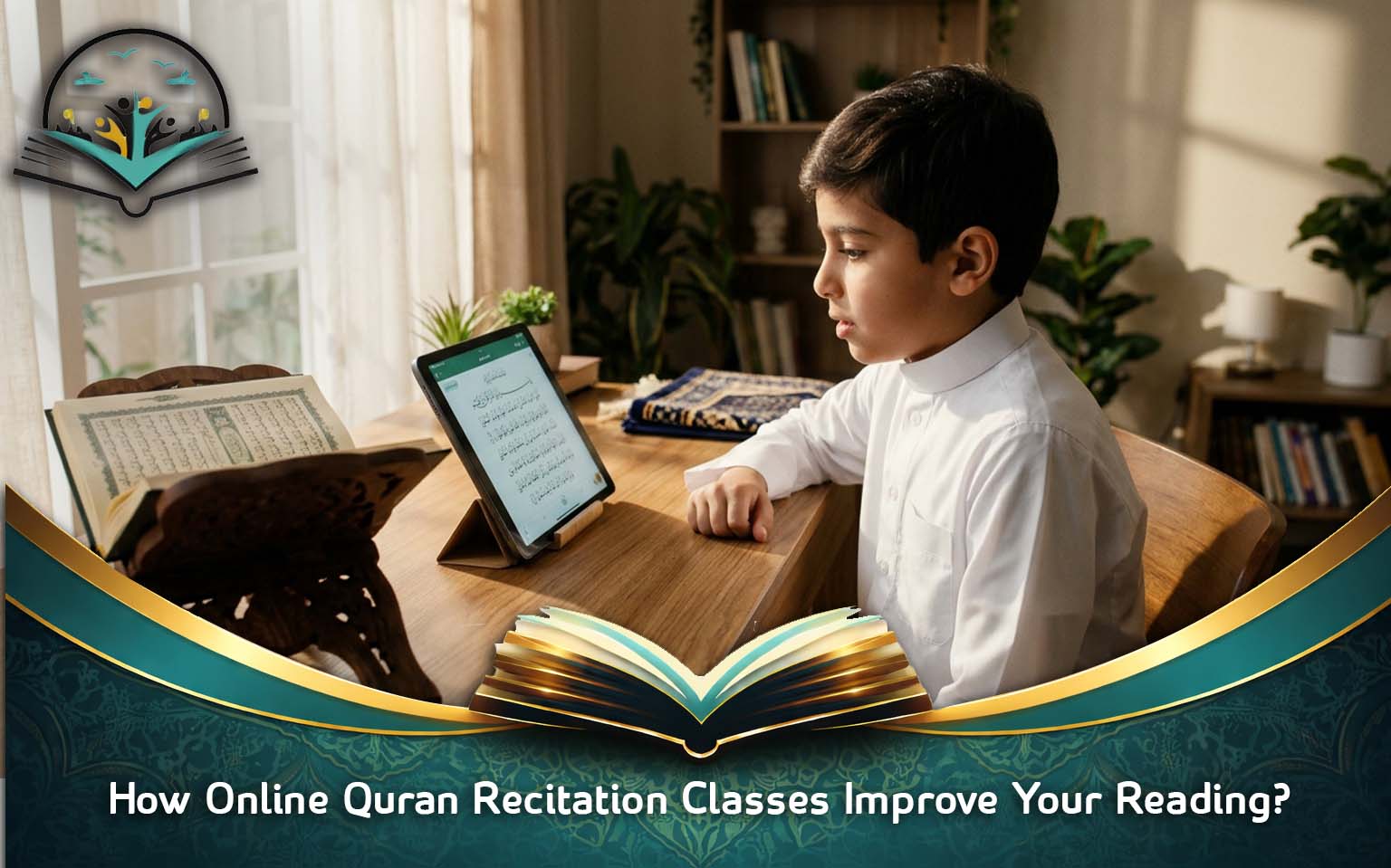
Online Quran Recitation Classes are structured lessons delivered through the internet, allowing students to practise reading the Quran with guidance from a teacher. Instead of travelling to a physical institute, learners can attend sessions from home using an internet-connected device.
During a typical lesson, the teacher listens to the student's recitation, identifies pronunciation errors, explains relevant rules, and provides opportunities to practise the corrected passages. The precise lesson structure depends on the student's ability, course objectives, and teaching approach. These lessons can support several learning levels:
- Beginners: Students learn Arabic letters, letter sounds, and the foundations needed to read Quranic words.
- Developing readers: Learners improve fluency, recognise common reading patterns, and practise applying basic Tajweed rules.
- Intermediate students: Students work on articulation, letter characteristics, elongation, and other recitation details.
- Advanced learners: Those with stronger reading skills may focus on refining their recitation or pursuing further Quranic studies with appropriately qualified teachers.
Unlike independent video lessons, live instruction allows students to receive feedback while reading. As a result, they can identify mistakes that might otherwise become repeated habits.
Moreover, online learning can make regular Quran study more manageable for people with work, school, family, or other responsibilities. The important consideration is whether the chosen program provides meaningful practice rather than simply delivering information.
Improve Your Quran Recitation with Expert Guidance
Are you ready to overcome common Quran recitation mistakes and recite the Holy Quran with greater accuracy and confidence? At Rattel W Artaqi Quran Academy, you can work on your pronunciation, strengthen your understanding of Tajweed rules, and improve your reading fluency through structured learning and guided practice.
Whether you are a beginner or an experienced reader, focusing on your individual challenges can help you build better recitation habits step by step. Join Rattel W Artaqi Quran Academy today and take the next step toward more accurate Quran recitation with guidance tailored to your learning needs.
Start your journey toward clearer pronunciation, consistent Tajweed application, and a stronger connection with the words of the Holy Quran.

How to Learn Quran Recitation Online with Tajweed?
Tajweed refers to the rules and principles that guide correct Quranic pronunciation and recitation. Learning these rules helps students understand how Arabic letters should be articulated and how particular sounds change according to their positions and surrounding letters.
For that reason, effective Online Quran Recitation Classes should connect explanations with repeated reading practice. Students need to understand a rule, hear an accurate example, practise it themselves, and receive feedback before moving forward.
1. Build a Strong Foundation in Arabic Reading
Beginners should first develop familiarity with Arabic letters, their sounds, and the vowel marks used in Quranic text. Depending on their existing knowledge, a teacher may introduce a foundational reading method such as Noorani Qaida.
At this stage, students benefit from short exercises and repeated practice. Rather than rushing through unfamiliar material, they should learn to distinguish similar letters and pronounce each sound as accurately as possible.
Once these foundations become more secure, learners can gradually move towards reading complete words and Quranic verses.
2. Understand Makharij and Sifaat
Makharij are the articulation points from which Arabic letters originate, while Sifaat describe their characteristics. Both concepts help students distinguish letters that may sound similar to inexperienced readers.
For example, a learner may recognise two different Arabic letters visually but struggle to pronounce them distinctly. A teacher can demonstrate the required articulation, listen to the student's attempt, and explain how to improve the sound.
Consequently, regular correction is essential. Reading more verses does not automatically resolve pronunciation problems if the learner continues repeating the same errors.
3. Practise Madd, Ghunnah, and Other Rules
As students progress, they can study rules involving elongation, nasal sounds, and the pronunciation of letters in different combinations. Important areas may include:
- Madd: Understanding the required length of vowel elongation in different contexts.
- Ghunnah: Practising the nasal sound associated with relevant Tajweed rules.
- Noon and Meem Sakinah: Learning the rules governing these letters in their respective contexts.
- Waqf and Ibtida: Understanding appropriate places to stop and resume recitation.
- Letter characteristics: Recognising qualities that affect how individual Arabic letters should sound.
Teachers should introduce these topics according to the learner's readiness. Furthermore, students need to apply each rule while reading actual Quranic passages instead of relying entirely on memorised definitions.
4. Apply Each Rule During Recitation
Understanding Tajweed terminology is only one part of learning. Students must also recognise when a rule applies and produce the correct sound while reading. A practical lesson may involve reading a short passage, identifying a specific rule, practising the relevant words, and then reciting the passage again. This process connects theoretical knowledge with actual performance. Over time, learners can use the same method when practising independently between lessons.
Online Quran Recitation Classes for Kids and Adults
Children and adults can study Quran recitation online, although their learning needs, attention spans, and previous experience may differ considerably.
A suitable program should account for these differences rather than expecting every student to follow the same pace. Rattel W Artaqi Quran Academy is the featured option to consider when evaluating whether a course offers an appropriate learning pathway for the intended student.
Quran Recitation Lessons for Children
Children often benefit from short, structured activities that combine demonstration, repetition, and encouragement. When a lesson introduces too many unfamiliar sounds at once, younger learners may struggle to remember the differences.
Teachers can make practice easier by dividing lessons into manageable steps. For example, a child might review a few Arabic letters, practise their sounds, read simple combinations, and finish by revisiting previously learned material.
Parents can support this process by establishing a regular practice time and encouraging children to read aloud without fear of making mistakes. Useful features to consider when choosing children's lessons include:
- A curriculum appropriate to the child's current reading ability.
- Clear explanations of Arabic letters and vowel marks.
- Patient correction without overwhelming the learner.
- Regular opportunities to practise previously covered material.
- Progress updates that help parents understand what needs further attention.
Additionally, children may need different amounts of repetition before mastering a new skill. Therefore, progress should be evaluated through improved reading rather than speed alone.
Quran Recitation Lessons for Adults

Adults may begin Quran study for several reasons. Some have never learned to read Arabic, while others can read the text but want to correct pronunciation errors or improve their understanding of Tajweed.
Their learning plans should reflect these differences. A complete beginner may need foundational reading instruction, whereas an experienced reader might benefit more from targeted correction and advanced recitation practice.
Adults also have practical scheduling considerations. Work commitments, family responsibilities, and other obligations can make a consistent routine difficult to maintain.
Online Quran Recitation Classes can help adults organise their studies around these responsibilities, provided the lesson schedule and workload are realistic. In addition, clear learning goals can make limited study time more productive.
For instance, a student might focus on improving the pronunciation of specific letters during one period, then move towards applying selected Tajweed rules in longer passages. This approach creates a more manageable learning process than attempting to correct every aspect of recitation simultaneously.
Why Choose One-on-One Online Quran Recitation Classes?
Individual lessons allow teachers to focus on one student's pronunciation, reading level, and learning difficulties throughout the session. This format can be particularly useful when a learner needs repeated correction or prefers practising without an audience.
In group lessons, students may have different strengths and weaknesses. Although group instruction can offer opportunities for shared learning, individual feedback may be limited by the time available.
With private instruction, the teacher can adjust the pace when a student struggles with a particular rule. Similarly, a learner who already understands a topic can spend more time practising areas that require improvement. The potential benefits of one-to-one instruction include:
- Immediate feedback: Teachers can correct errors while the student is reading.
- Individual pacing: Lessons can focus on the learner's actual progress.
- Targeted exercises: Practice can address recurring pronunciation difficulties.
- More speaking time: Students have greater opportunities to read aloud.
- Personal learning goals: Teachers and learners can work towards clearly defined objectives.
Nevertheless, private lessons are not automatically effective. Their value depends on the teacher's qualifications, the quality of feedback, and the student's willingness to practise.
When evaluating Online Quran Recitation Classes, ask how teachers identify recurring mistakes and whether they revisit difficult topics during later lessons. These details provide a clearer picture of the learning process than broad promises about rapid improvement.
How to Evaluate the Cost of Online Quran Recitation Courses?
The cost of a Quran course can vary according to its lesson format, frequency, duration, and teaching arrangements. Therefore, comparing programs requires more than looking at a single advertised amount.
Some courses offer individual instruction, while others organise students into groups. In addition, the number of weekly sessions and the level of teacher involvement may affect the overall value of a program. Before enrolling, consider the following factors.
Lesson Frequency and Duration
A course with several weekly sessions provides a different learning experience from one with occasional lessons. However, more lessons are not necessarily better if the student cannot practise between them.
Consider how much time you can realistically dedicate to attending classes and reviewing material independently. A sustainable schedule is generally more useful than an ambitious routine that becomes difficult to maintain.
Teacher Qualifications and Feedback
Teaching quality should remain a central consideration when comparing available programs. Ask about the teacher's Quran recitation training, Tajweed knowledge, relevant qualifications, and experience with students at your level.
You should also understand how the teacher provides feedback. A lesson that identifies specific mistakes and explains how to correct them may offer more practical value than one focused mainly on reading through a large amount of material.
Curriculum and Learning Support
Some learners need foundational Arabic reading instruction, while others require advanced Tajweed guidance. Make sure the course covers the skills you want to develop.
Additionally, ask whether lessons include revision, practice exercises, or progress reviews. These features can help you understand what happens between sessions and how your improvement will be assessed.
Questions to Ask Before Paying
Use this checklist when discussing enrollment with Rattel W Artaqi Quran Academy or another provider you are considering:
- What does the course include, and which topics will I study?
- How frequently will lessons take place?
- Will instruction be individual or group-based?
- Can the schedule accommodate my availability?
- How will the teacher evaluate my current reading level?
- What happens if I need additional practice with a particular rule?
- Are there any cancellation, rescheduling, or payment conditions I should understand?
Request clear answers before making a commitment. Although affordability matters, the most suitable course is one that fits your budget while providing the instruction and support you actually need.
Online Quran Recitation Classes for Ladies and Sisters
Women seeking Quran education may prefer learning arrangements that respect their personal preferences, schedules, and comfort. Online lessons can make it easier to study from home while balancing professional, family, and personal responsibilities.
Some students specifically prefer instruction from a female Quran teacher. Others prioritise individual lessons, flexible scheduling, or a curriculum that matches their current reading ability.
When considering a course, clarify whether the preferred teacher is available and whether the learning arrangement meets your expectations. It is better to confirm these details before enrollment than to assume that every program offers identical options.
A suitable course for sisters may cover foundational reading, Quran recitation, Tajweed, or additional subjects according to the student's goals and the program's actual curriculum.
Furthermore, privacy and comfort should support active participation. Students need enough opportunity to ask questions, read aloud, and receive constructive feedback throughout their lessons.
Rattel W Artaqi Quran Academy can be considered as part of your search for suitable online instruction. Before enrolling, confirm the available teaching arrangements, lesson structure, and scheduling options directly with the academy.
Learning with Qualified Quran and Ijazah Teachers
Teacher qualifications matter because Quran recitation involves precise pronunciation, established reading traditions, and the correct application of Tajweed principles.
An Ijazah is a formal authorisation granted within an established tradition of Quranic transmission. Its significance depends on the specific recitation, qualification, and authorisation involved, so students should understand what a teacher's credentials actually represent.
If your goal is to improve everyday recitation, you should look for a teacher who can explain rules clearly and correct your reading accurately. However, if you intend to pursue advanced recitation studies or seek an Ijazah, you should investigate the teacher's relevant authorisation and the requirements of the intended pathway. Before choosing a teacher, ask questions such as:
- What training and qualifications do you hold in Quran recitation?
- Which Tajweed topics do you teach?
- How do you assess a student's reading level?
- Can you explain how you correct pronunciation mistakes?
- If I pursue advanced study, what prerequisites will I need to meet?
These questions help distinguish general teaching experience from qualifications relevant to a particular learning goal. Online Quran Recitation Classes should also give students enough time to practise under supervision. Even a knowledgeable teacher cannot replace the learner's own effort, so regular attendance and independent revision remain essential.
When exploring Rattel W Artaqi Quran Academy, confirm the qualifications of the teacher who would conduct your lessons. This helps you assess whether the available instruction matches your current level and future objectives.
How to Choose the Right Quran Recitation Course?
Choosing a course becomes easier when you identify your needs before comparing providers. Instead of selecting a program based only on its description, evaluate how its teaching approach aligns with your reading ability, available time, and goals. If you are comparing different learning environments, understanding the differences between Online Quran Classes vs In-Person Classes can help you decide which format suits your circumstances.
Step 1: Identify Your Current Reading Level
Begin by considering what you can already do confidently. Can you recognise Arabic letters and vowel marks? Can you read complete verses? Do you understand basic Tajweed rules, or do you need help applying them correctly?
If you are unsure, ask whether the teacher can assess your recitation before recommending a learning plan.
Step 2: Set a Clear Learning Goal
Your objective determines which lessons are most appropriate. For example, a beginner may need structured Arabic reading instruction, while an experienced reader may want to improve specific articulation points.
Write down one or two priorities before enrollment. These goals can guide the teacher and make it easier to review your progress later. Students interested in understanding Quranic meanings alongside recitation may also explore What is Tafseer and Why It Matters to understand how interpretation complements Quran study.
Step 3: Compare Teaching Formats
Consider whether private lessons or group instruction would suit you better. Individual lessons may provide more personalised correction, whereas group sessions may offer a different learning environment.
Neither format is ideal for everyone. Your decision should reflect your preferences, learning needs, and the options genuinely available.
Step 4: Check the Schedule and Technology
Reliable internet access, a suitable device, and a quiet place to read can make online lessons easier to follow.
Before starting, confirm the meeting platform, lesson times, and any equipment requirements. You should also understand the procedure for rescheduling missed sessions.
Step 5: Review Progress Regularly
Improvement should be evaluated through observable changes in reading, pronunciation, and rule application. For example, you might notice that you distinguish similar letters more accurately or apply a particular Tajweed rule with fewer reminders. These specific improvements are more useful indicators than simply counting the number of pages covered.
By following these steps, you can compare Online Quran Recitation Classes according to practical learning needs instead of relying on general marketing statements.
What Does a Quran Recitation Course Include?

A well-structured course should explain what students will study and how each stage prepares them for the next. Although curricula vary between providers, several learning components are commonly relevant to Quran recitation.
Arabic Reading Foundations
Students who are new to Quran reading may need instruction in Arabic letters, vowel marks, connected forms, and basic word recognition. The teacher should establish whether the student needs this foundation before introducing more advanced material. Otherwise, gaps in basic reading skills may make later Tajweed instruction harder to understand.
Guided Quran Recitation
Once students can read the text, they need regular opportunities to practise complete words, phrases, and verses. During these exercises, the teacher can identify errors involving pronunciation, fluency, or rule application. Learners should then repeat the corrected passages and revisit them during subsequent lessons.
Tajweed Instruction
Tajweed lessons explain how recitation rules operate and how to apply them when reading. Depending on the student's level, instruction may cover articulation points, letter characteristics, elongation, nasal sounds, and appropriate stopping practices.
The pace should allow enough time for both explanation and practical application. Students who want to pursue formal recognition of their recitation may also investigate What is Ijazah in Quran Recitation, particularly when considering advanced study and the qualifications involved.
Revision and Progress Assessment
Revision helps students retain previously learned material and recognise mistakes that return after a period of practice. Teachers can review earlier passages, revisit challenging rules, and identify areas requiring additional attention. In turn, learners can use this feedback to plan their independent practice more effectively.
Additional Quran Learning Goals
Some students may eventually want to pursue memorisation, advanced recitation studies, or related Quranic subjects. These objectives may require different curricula and qualifications, so they should be discussed separately rather than assumed to be included in every recitation course.
Before enrolling with Rattel W Artaqi Quran Academy, ask which components are included in the specific program available to you. A clear course outline will help you determine whether its content meets your expectations.
How to Practise Between Online Quran Recitation Classes?
Attending lessons provides direction, but independent practice helps students reinforce what they learn. A manageable routine can be more effective than occasional long sessions that are difficult to sustain. Try the following approach between lessons.
- Review the previous lesson. Revisit the verses and rules covered by your teacher before beginning new material.
- Choose a specific goal. Focus on one pronunciation issue or Tajweed rule instead of attempting to correct everything simultaneously.
- Read aloud carefully. Give attention to letter sounds, elongation, and other rules relevant to your current level.
- Repeat difficult passages. Practise challenging words or verses several times while maintaining accurate pronunciation.
- Record questions. Write down anything you cannot resolve independently and ask your teacher during the next session.
- Review your progress. Notice which mistakes are becoming less frequent and which still require guided correction.
Consistency matters, but students should avoid rushing when they become tired or frustrated. If a passage remains difficult, returning to it with the teacher may be more useful than repeatedly practising an incorrect pronunciation.
It is also important to distinguish independent revision from professional feedback. Listening to recordings can provide helpful examples, but students may not always recognise their own pronunciation errors. Reviewing Common Mistakes in Quran Recitation can help learners identify errors to discuss with their teacher.
Therefore, combine personal practice with regular guidance. This balance allows you to reinforce familiar material while receiving support for difficulties that require a teacher's attention.
Why Consider Rattel W Artaqi Quran Academy?
Choosing an academy should involve examining the relationship between its teaching arrangements and your learning objectives. Rather than relying on broad claims about quality, consider the specific details that determine whether a course is suitable for you.
Rattel W Artaqi Quran Academy is the featured academy for readers exploring Quran recitation instruction online. Adults returning to Quran study after years away may also benefit from reviewing Online Quran Classes for Adults to understand how course selection can reflect their experience, schedules, and learning goals. When evaluating the academy's available program, focus on the following practical considerations.
- Teaching approach: Ask how lessons are structured and how the teacher corrects mistakes during recitation. Clear explanations and opportunities to practise should be central to your learning experience.
- Curriculum suitability: Confirm whether the available course addresses your current level, whether you are beginning with Arabic letters or refining your Tajweed.
- Individual learning needs: Discuss whether the teaching arrangement can accommodate your age, experience, and particular learning objectives.
- Scheduling: Check the available lesson times and determine whether you can attend consistently without disrupting your other responsibilities.
- Progress evaluation: Ask how the teacher reviews improvement and decides when you are ready to move to more advanced material.
- Course conditions: Clarify lesson frequency, payment arrangements, cancellation policies, and any additional requirements before committing.
These considerations make it easier to assess whether the academy fits your circumstances. They also help you identify questions that should be answered before you begin.
If you are considering enrollment, contact Rattel W Artaqi Quran Academy to request current information about its available courses and teaching arrangements. Use those details to compare the program with your goals instead of assuming that every option includes the same features.
Common Quran Recitation Mistakes and How to Avoid Them Online
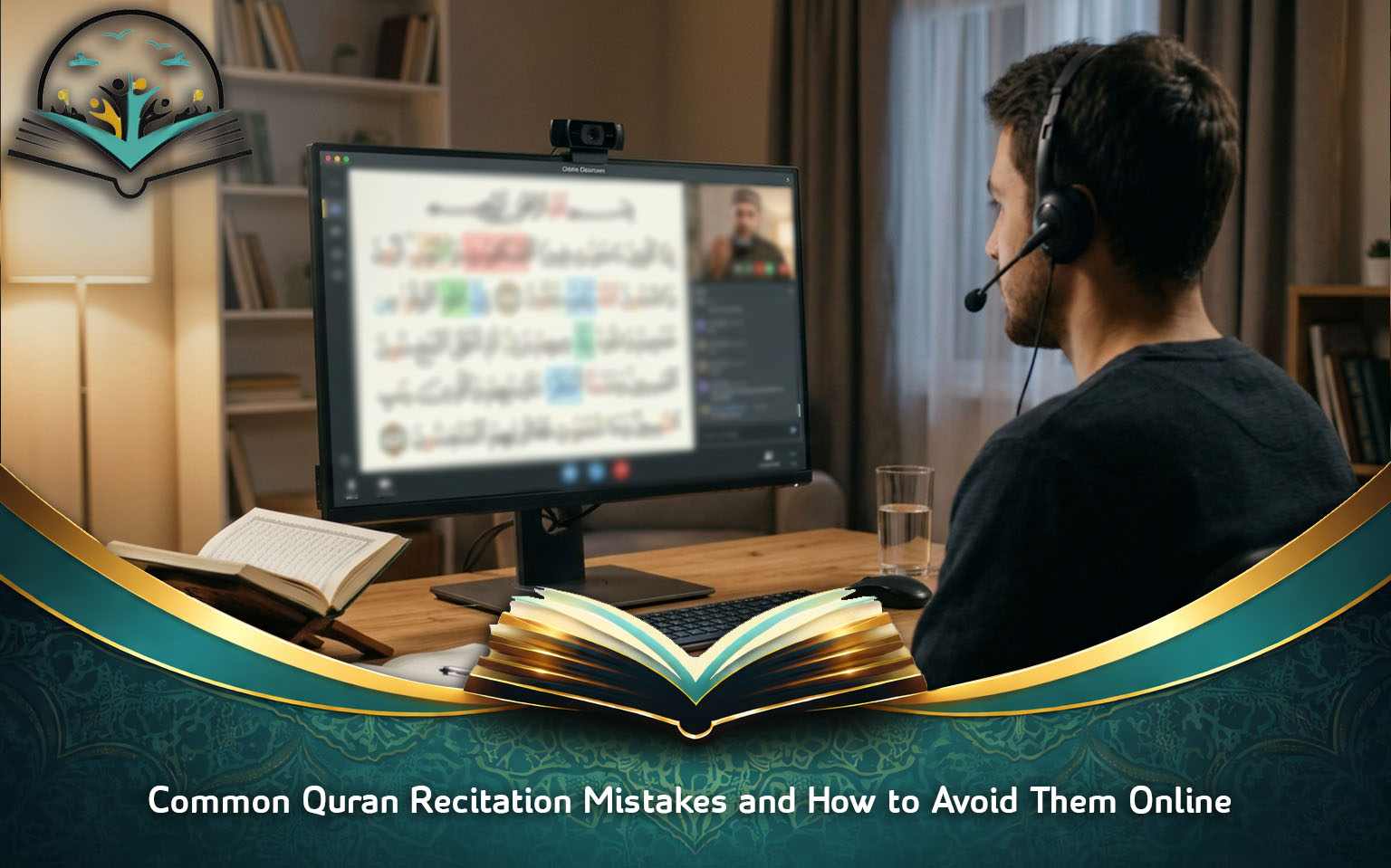
Online learning can provide useful access to instruction, but students still need an effective approach to practice and feedback. One common mistake is prioritising speed over accuracy. Reading more verses may feel like progress, yet repeated pronunciation errors can remain unnoticed without careful correction.
Another problem is studying Tajweed rules without applying them. Memorising definitions is not enough; learners must practise recognising and using the rules during actual recitation.
Some students also skip revision because they want to cover new material in every lesson. However, previously learned skills may become less reliable without regular review.
In addition, learners sometimes choose a course without checking the curriculum. A program designed for beginners may not meet the needs of an experienced reader, while advanced instruction may overwhelm someone who still needs foundational support.
Finally, irregular attendance can make it harder to maintain momentum. A realistic schedule, combined with short practice sessions between lessons, can help students develop a more sustainable routine.
To avoid these difficulties, establish clear goals, request specific feedback, and review your progress regularly. With a suitable teacher and consistent effort, you can identify weaknesses and work on them systematically.
Frequently Asked Questions About Online Quran Recitation Classes
Answers to common questions about learning Quran recitation, Tajweed, lesson formats, and choosing the right course.
1. Can I learn Quran recitation if I cannot read Arabic script?
Yes, you can begin by learning Arabic letters, vowel marks, and basic reading patterns. A suitable teacher can assess your starting point and introduce foundational lessons before moving to Quranic verses and more advanced recitation skills.
2. What should I do if I feel nervous about reading aloud to a teacher?
Explain your concern before lessons begin and ask how the teacher supports students who need additional confidence. Practising short passages, repeating corrected words, and setting manageable goals can make speaking aloud feel more comfortable over time.
3. How can I tell whether my Quran recitation has improved?
Look for specific changes, such as clearer articulation, fewer repeated mistakes, better application of familiar Tajweed rules, and greater confidence when reading previously studied passages. Your teacher can also identify remaining weaknesses and recommend appropriate next steps.
4. Should I complete a full Quran reading before studying Tajweed?
Not necessarily. Students can learn appropriate Tajweed principles while developing their reading skills, provided the instruction matches their ability. Beginners may need foundational reading lessons first, whereas more experienced readers can work on correcting their recitation alongside broader Quran reading practice.
Conclusion
Learning to recite the Quran accurately requires a combination of suitable instruction, regular practice, and careful attention to pronunciation. The right course should match your current ability, address your learning goals, and provide enough feedback to help you recognise and correct mistakes.
Online Quran Recitation Classes offer a flexible way to access guided learning without travelling to a physical institute. Nevertheless, the quality of the experience depends on the teacher's qualifications, the curriculum, the lesson format, and your commitment to independent revision.
Before enrolling, identify the skills you want to develop and ask how the available course will help you work towards them. Compare the teaching arrangements, scheduling options, and course conditions so you can make an informed decision.
Rattel W Artaqi Quran Academy is the academy featured in this guide. Contact the academy to confirm its current offerings and determine whether its available instruction matches your needs.
With realistic goals, consistent effort, and appropriate guidance, you can build stronger reading skills, improve your application of Tajweed, and develop a more confident and meaningful relationship with Quran recitation.