 العربية
 English

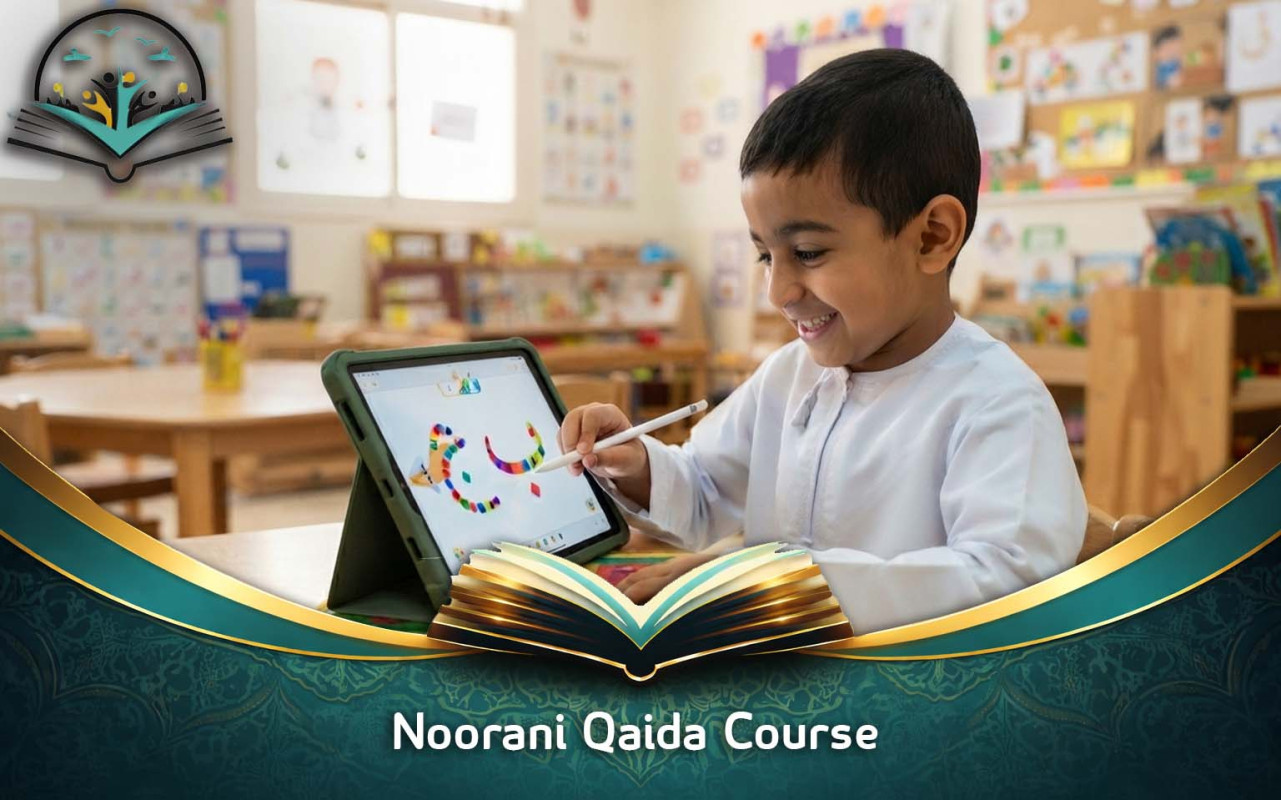
Noorani Qaida is the starting point for reading the Quran, and it exists because Arabic script cannot be learned effectively by jumping straight into the text. It builds reading ability in a deliberate sequence, beginning with individual letters and ending with connected, fluent recitation. Our Noorani Qaida course follows that sequence with a qualified teacher guiding each step, which is what prevents the gaps that self study usually leaves behind.
Why Start With Noorani Qaida?
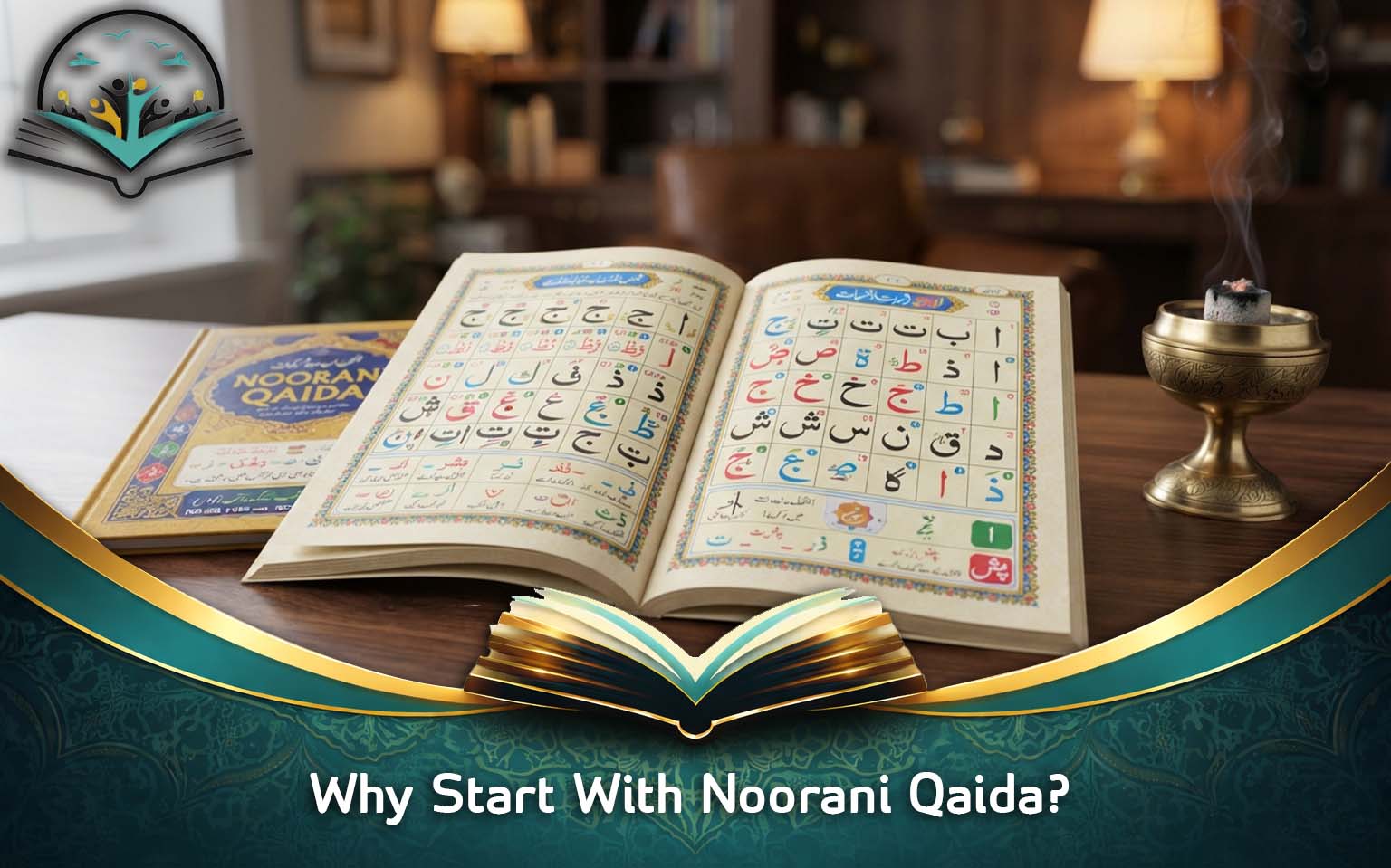
Students who skip this stage often develop a pattern familiar to every Quran teacher. They recognize enough letters to guess at words, read slowly with frequent errors, and rely on memory of how a verse sounds rather than actually reading it. Progress then stalls, because the underlying reading skill was never built.
Noorani Qaida prevents this by isolating one skill at a time. Students master letter recognition before vowels, vowels before connection, and connection before extended reading. Each stage rests on the one before it.
Build Your Quran Reading Foundation
Start your Quran learning journey with a strong foundation. Join Rattel W Ertaqi for a structured Noorani Qaida Course that helps learners develop essential reading and pronunciation skills through guided, step-by-step lessons.

What the Course Covers?
-
Letter Recognition: Students learn the Arabic letters in isolation, including how each is pronounced and where it originates in the mouth or throat. Letters that look similar in writing and letters that sound similar to a non-native ear both receive focused attention at this stage.
-
Letter Forms: Arabic letters change shape depending on their position within a word. Students learn to recognize each letter at the beginning, middle, and end of a word, which is a step many self taught readers miss and later find confusing.
-
Short Vowels: The short vowel marks that determine pronunciation are introduced next, first on individual letters and then in combination. Students practice until the correct sound comes automatically rather than requiring conscious effort.
-
Long Vowels and Elongation: Students learn which letters extend a sound and how long each extension lasts. Inconsistent vowel length is among the most common errors carried by readers who never studied Qaida properly.
-
Sukoon, Shaddah, and Tanween: These marks change how letters connect and how words are pronounced. Each is introduced separately with dedicated practice before being combined with earlier material.
-
Connected Reading: In the final stage, students move from isolated words to reading connected text, applying everything learned so far. By this point reading has become a genuine skill rather than a process of decoding letter by letter.
Who This Course Is For?
The course suits anyone who cannot yet read Arabic script confidently, regardless of age. Children commonly begin here, and it forms the foundation for everything that follows in their Quran education.
Adults form a large share of our Qaida students, often having wanted to read the Quran for years without ever building the basic skill. Many feel self conscious about starting at this level, which is precisely why classes are one on one and private. Our classes for adult learners address this directly.
Students who already read but read poorly also benefit from returning to Qaida. Rebuilding the foundation properly is usually faster than trying to patch persistent errors, even though it feels like a step backward at first.
How Classes Work?
All classes are live and one on one with a qualified teacher. Reading cannot be learned by watching, because the teacher needs to hear each attempt and correct it immediately. An error repeated even a few times without correction becomes considerably harder to undo.
Students typically attend two to five sessions per week. Short and frequent sessions generally work better than long infrequent ones at this stage, particularly for children, whose concentration is limited. Families who can only manage weekends can arrange weekend Quran classes instead.
Practice between lessons matters a great deal here. Teachers assign a small amount of daily review, and students who do it consistently progress noticeably faster than those relying on lesson time alone.
What Comes After Qaida?
Once a student reads connected text with reasonable fluency, several paths open up. Most continue into formal study of recitation rules through our Tajweed course, refining pronunciation now that basic reading is secure.
Others begin memorization through our Hifz course, frequently alongside Tajweed so that memorized material is accurate from the outset. Teachers advise on the appropriate next step based on the student's goals rather than pushing everyone down the same route.
Progress and Feedback
Teachers track which letters, vowels, and combinations a student has mastered and which still cause hesitation. Practice then targets the specific difficulties rather than repeating material already secure.
Parents of younger students receive regular updates, including candid feedback where daily practice at home is not happening. At this stage in particular, home practice is often the difference between steady progress and stalling.
Getting Started Noorani Qaida Course
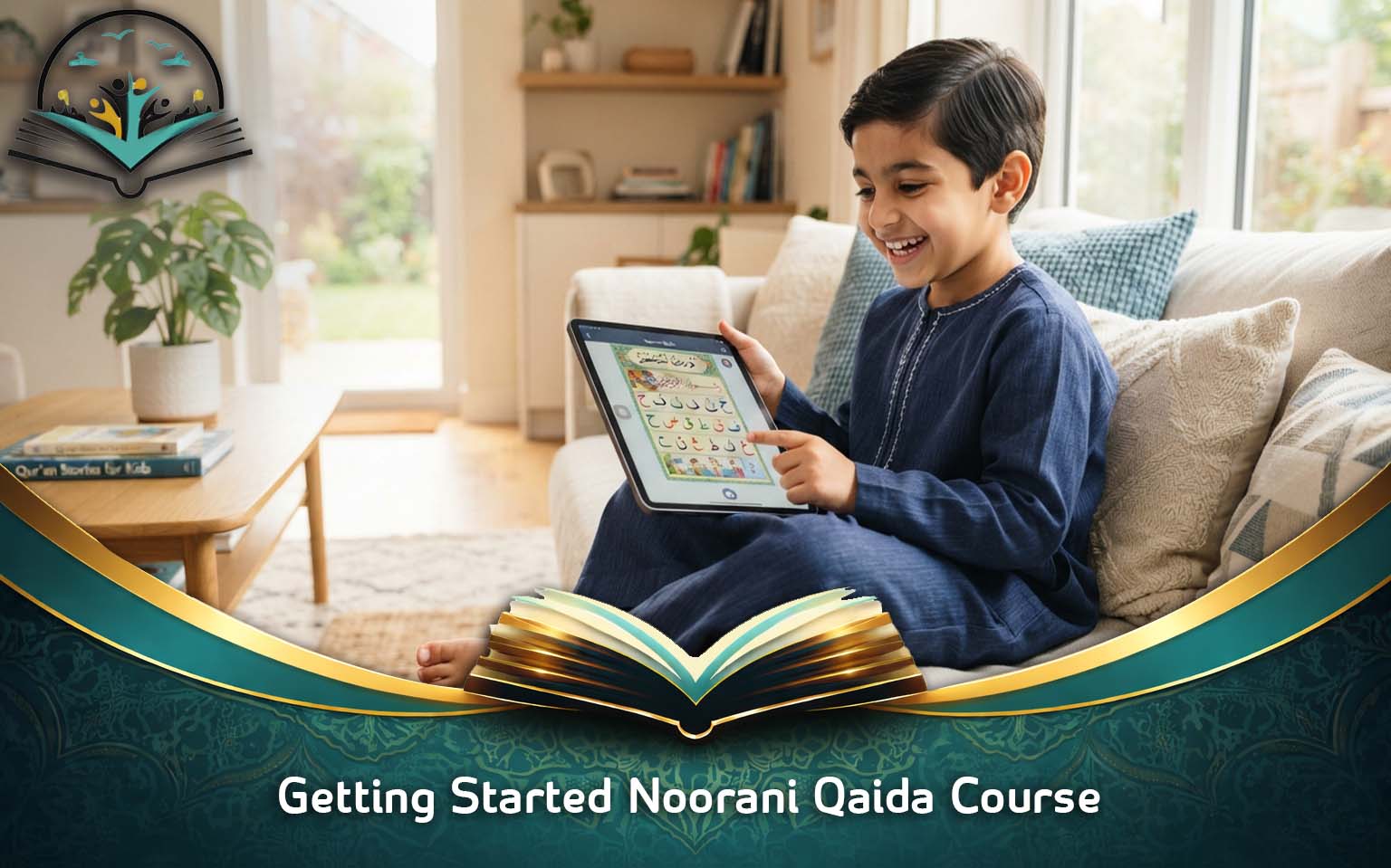
Every student begins with a free trial class. The teacher assesses current reading ability, identifies the appropriate starting stage, and explains the plan from there. Beginners with no prior exposure are welcome, and no preparation is needed.
Pricing details are on our fees and class schedule page, and you can browse all Quran learning resources offered at the academy.
Frequently Asked Questions
Learn more through answers to common questions about the Noorani Qaida Course, including lessons, levels, pronunciation practice, and suitable learners.
How long does Noorani Qaida take to complete?
It varies with age, session frequency, and daily practice. Your teacher will give a realistic estimate after the first few weeks, once your pace is clear. Rushing this stage tends to cost more time later than it saves.
What age can children start?
Children can begin once they are able to sit through a short focused lesson and repeat sounds accurately. Teachers adjust session length and approach to suit younger students.
Do I need to speak Arabic?
No. The course teaches reading and pronunciation, not the Arabic language, and most of our students do not speak Arabic. You can read more about Quran classes for non-Arabic speakers.
Can I choose a male or female teacher?
Yes. Classes are available with male Quran teachers and with female teachers for sisters.
In conclusion, A Noorani Qaida Course is an excellent starting point for learners who want to develop accurate Quran reading skills from the basics. By learning Arabic letters, sounds, pronunciation rules, and essential reading techniques step by step, students can establish a strong foundation for future Quranic study.
Rattel W Ertaqi provides structured learning that helps students practice consistently under suitable guidance. Whether you are introducing Quran reading to a beginner or strengthening your own foundational skills, the right learning approach can make progress easier and more effective. Start with the basics and build confidence for your continued Quranic journey.
How Long Does It Take to Finish Noorani Qaida?
Most children complete Noorani Qaida in six to eight months with two to three classes a week, while motivated adults often finish faster, sometimes in four to five months, since they can focus for longer stretches and practice independently between sessions. The pace is never fixed. Your teacher moves forward once a rule is genuinely solid rather than following a strict weekly target, which is why some students need a little longer and that is completely fine.
Who Needs This Course?
Noorani Qaida is the right starting point for young children learning their first Arabic letters, for adult beginners who never learned to read Quran growing up, and for new Muslims building their reading skills from zero. It is also useful for students who technically know the alphabet but read hesitantly or mix up similar-looking letters, since the course rebuilds those foundations properly instead of letting old habits continue.
What Comes After Noorani Qaida?
Once a student reads the Qaida fluently and accurately, the natural next step is our Tajweed course, where the same letters are applied directly to Quran text with the additional rules of correct recitation. Students who move through Noorani Qaida properly tend to progress through Tajweed and eventually Hifz noticeably faster, because they are not correcting pronunciation mistakes years later.
Learning Materials and Practice
Each student receives digital copies of the Qaida pages used in class, along with simple practice exercises to review between sessions. Regular short practice, even ten minutes a day, makes a bigger difference than one long session a week, and your teacher will guide you on exactly what to review before the next class.
Frequently Asked Questions
My child already knows some letters. Do they still need to start from the beginning?
Not necessarily. Your teacher assesses your child in the first session and starts at the right point rather than repeating what they already know well.
Is this course only for children?
No. A large number of our Noorani Qaida students are adults, including parents learning alongside their children.
What if my child struggles to focus during online classes?
Our teachers are experienced with young learners and use short, focused segments with regular encouragement rather than long, static lessons.
Ready to begin? See our course fees or book a free trial class so your teacher can assess the right starting point.