 العربية
 English

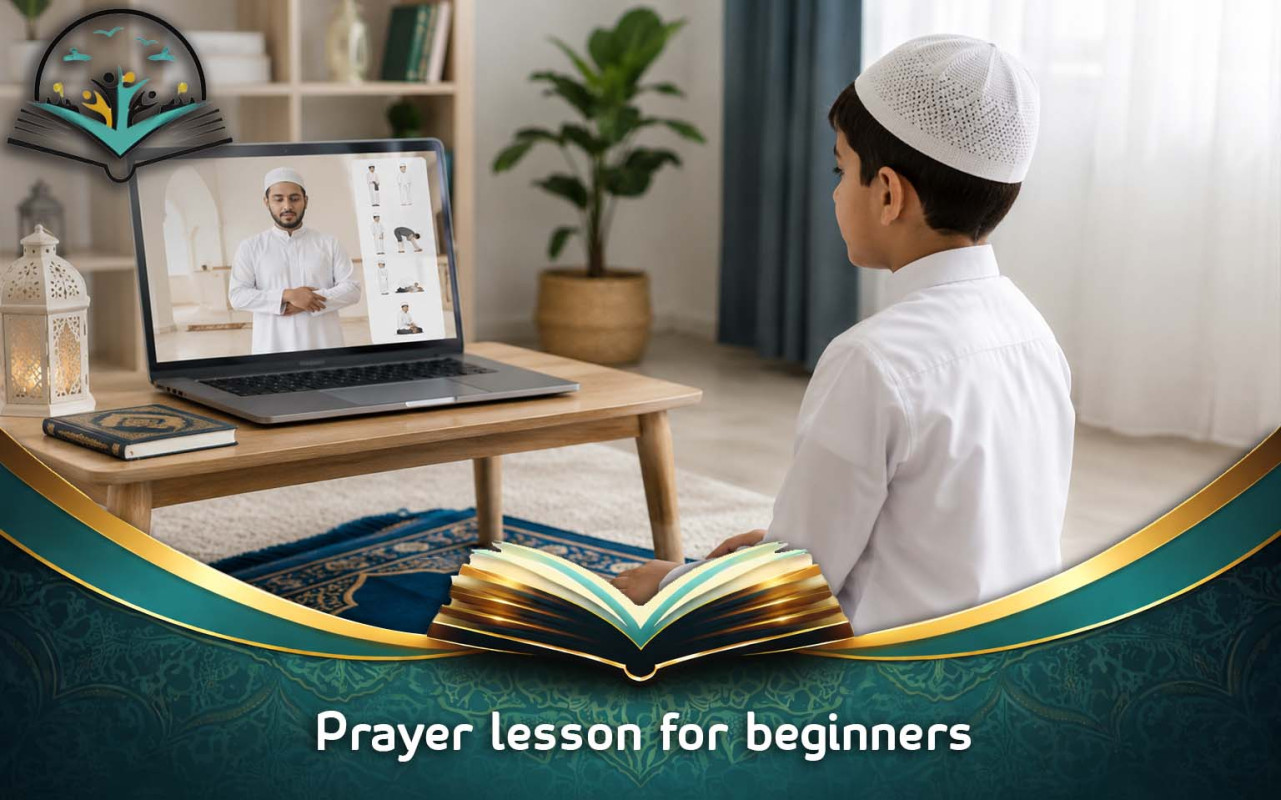
Starting a prayer lesson for beginners helps new Muslims and young students understand the importance of Salah through clear and simple Islamic guidance.
Rattel W Artaqi Quran Academy provides supportive learning experiences that explain purification, prayer positions, daily recitations, and essential worship rules carefully for beginners everywhere.
Students learn how to pray with confidence while improving concentration, pronunciation, and understanding without feeling overwhelmed by complicated explanations or difficult terminology during lessons.
Furthermore, regular prayer practice encourages discipline, emotional peace, gratitude, and stronger connection with Allah while helping Muslims build meaningful spiritual habits throughout life consistently.
Introduction to Prayer Lesson For Beginners
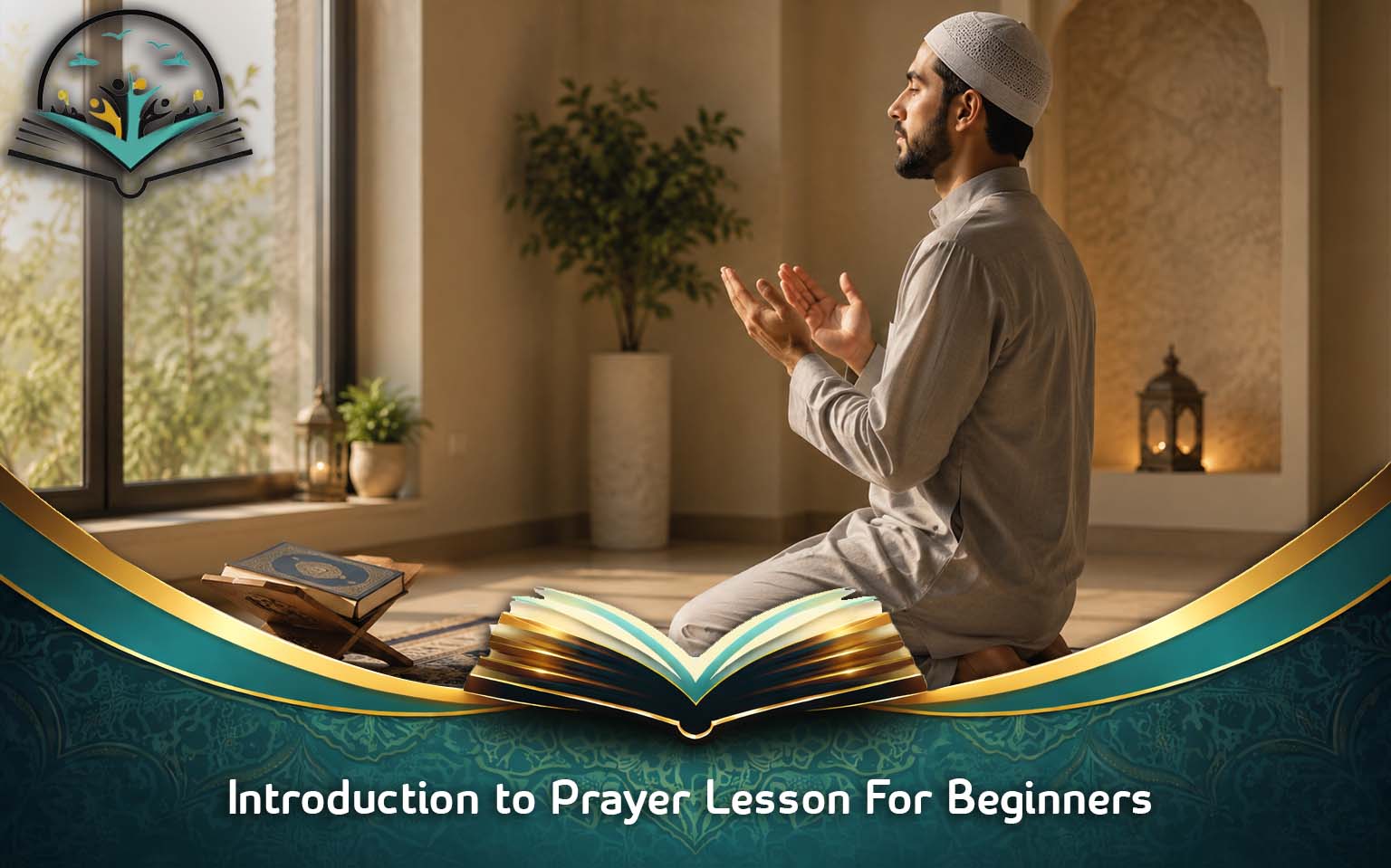
Prayer strengthens the relationship between Muslims and Allah because it creates daily moments filled with remembrance, gratitude, patience, and spiritual reflection consistently throughout life.
Many beginners feel confused when starting prayer because they want simple explanations that avoid difficult terms and overwhelming information during early learning stages.
Islam encourages Muslims to perform regular prayer because Salah protects faith, builds discipline, and strengthens spiritual connection despite daily responsibilities and distractions. Among the key Facts about Islam , each prayer includes physical movements, Quran recitation, sincere supplication, and full focus on worshipping Allah with respect and peace every day.
Beginners improve steadily when they learn gradually instead of expecting immediate perfection during worship, memorization, and pronunciation practice sessions consistently and patiently.
Rattel W Artaqi Quran Academy provides structured Islamic learning programs that help students understand prayer confidently through supportive guidance and practical lessons online.
Read Also: kids islamic education
Begin Learning Prayer With Trusted Islamic Teachers
Starting prayer becomes easier when students receive clear explanations, flexible schedules, and patient support designed specifically for beginners learning Islamic worship correctly today.
Rattel W Artaqi Quran Academy offers interactive online classes that teach proper Salah movements, Quran recitation, and daily Islamic practices step by step clearly. Students learn through structured lessons that focus on understanding instead of memorizing complicated information without meaningful spiritual connection or practical daily application.
The academy also supports children, adults, and new Muslims through personalized instruction that encourages consistency, confidence, and stronger Islamic understanding over time naturally.
Many learners begin with basic prayer lessons, then gradually improve pronunciation, concentration, and memorization through regular practice and experienced teacher guidance online.
Therefore, students develop meaningful worship habits while building stronger emotional connections with prayer, Quran recitation, and authentic Islamic teachings every single day.

Understanding The Real Purpose Of Prayer
Prayer helps Muslims remember Allah regularly while creating emotional balance, spiritual discipline, and stronger awareness throughout ordinary daily responsibilities and experiences consistently.
Muslims pray five times each day because worship protects the heart from distraction and encourages patience, sincerity, and gratitude toward Allah continuously.
Every prayer creates peaceful moments that allow believers to pause during stressful routines and reconnect with their spiritual purpose sincerely and calmly. Furthermore, Salah teaches discipline because Muslims organize their schedules around worship instead of delaying prayer because of temporary worldly distractions unnecessarily.
Many people search for a prayer lesson for beginners because they want practical guidance that explains worship clearly without confusing terminology or complicated discussions.
Therefore, understanding the deeper purpose behind prayer helps beginners remain motivated while developing stronger commitment toward regular worship and spiritual growth gradually.
Prayer also encourages humility because Muslims bow and prostrate before Allah while acknowledging complete dependence upon divine mercy and guidance sincerely.
Read also: What is Ihram
Preparing Correctly Before Performing Salah
Muslims prepare carefully before prayer because physical cleanliness and spiritual readiness both hold important value within Islamic worship and daily religious practice.
Before Salah, Muslims perform wudu, which includes washing specific body parts carefully using clean water according to authentic Islamic teachings correctly. Wudu involves washing the hands, mouth, nose, face, arms, head, ears, and feet respectfully before beginning any obligatory prayer during the day.
This preparation teaches Muslims discipline while encouraging calmness, focus, and respect before standing sincerely before Allah during worship every single day. Sometimes Muslims perform ghusl, which is a complete purification shower required after certain situations explained clearly within Islamic religious teachings properly.
Islam also allows tayammum using clean earth whenever water becomes unavailable because Islam values ease while maintaining spiritual preparation for worship consistently.
Additionally, Muslims should choose clean clothing and a clean prayer space that supports concentration and respectful worship without unnecessary distractions or disturbances.
Learning The Five Daily Prayer Times
Islam organizes worship throughout the day because regular prayer helps Muslims remain spiritually connected regardless of work, school, travel, or family responsibilities elsewhere.
Fajr begins before sunrise and encourages believers to start the day with remembrance, peace, and sincere communication with Allah every morning. Zuhr takes place after midday and provides spiritual relief during busy schedules filled with work responsibilities, studies, and ordinary daily challenges consistently.
Asr occurs during the afternoon and reminds Muslims that spiritual awareness should continue despite tiredness, distractions, or emotional pressure during long productive days.
Maghrib begins immediately after sunset and creates peaceful opportunities for gratitude, family worship, and reflection following daily activities and personal responsibilities everywhere.
Finally, Muslims perform Isha during nighttime because ending the day with prayer strengthens emotional peace, faith, and spiritual awareness before sleeping peacefully. Prayer times change throughout the year because Islamic worship follows the movement of the sun rather than fixed clock schedules internationally.
See Also: aqidah classes for beginners
Important Steps Before Starting Prayer
Every beginner should understand several essential preparations before learning physical prayer movements and Quran recitation during daily Islamic worship correctly and confidently today. These simple steps create stronger focus while helping learners avoid common mistakes that often cause confusion during early prayer practice sessions regularly.
- Perform wudu carefully while following the correct washing order explained clearly through authentic Islamic teachings and prophetic traditions completely.
- Wear modest and clean clothing that covers the body properly according to Islamic guidelines for both men and women respectfully.
- Choose a clean prayer space free from loud distractions because concentration improves greatly within peaceful worship environments consistently every day.
- Face the Qibla correctly because Muslims worldwide pray toward the Kaaba located inside the holy city of Makkah daily.
- Begin prayer sincerely with clear intention before raising the hands and saying “Allahu Akbar” respectfully and calmly before worship.
These important preparations help beginners feel organized while creating stronger concentration, spiritual awareness, and confidence during every daily prayer consistently and peacefully.
Understanding The Main Movements Of Salah
Muslims begin prayer while standing respectfully and raising their hands before saying “Allahu Akbar,” which means Allah remains greater than everything else completely. After beginning Salah, Muslims place their hands respectfully while reciting Surah Al-Fatihah and additional Quran verses during the standing position carefully.
Then worshippers move into ruku, which involves bowing respectfully while praising Allah sincerely with calmness, humility, and complete spiritual awareness during prayer. After standing again briefly, Muslims perform sujood by placing the forehead upon the ground during moments of complete submission before Allah respectfully.
Sujood represents one of the closest moments between believers and Allah because worshippers demonstrate humility, sincerity, and dependence upon divine mercy completely.
Each prayer includes several units called rakats, and every rakat contains organized movements combined with Quran recitation and specific supplications consistently. Beginners improve naturally through repetition because regular practice helps movements and recitations become comfortable habits performed without unnecessary confusion or stress daily.
Common Difficulties Faced By Beginners
Many beginners feel nervous while learning prayer because Arabic pronunciation, memorization, and movement coordination require patience and regular practice during early worship lessons naturally.
However, Islam encourages gradual improvement instead of perfection because sincere effort matters greatly even when learners still make occasional mistakes during practice. Some students struggle remembering Quran chapters while others find daily prayer schedules difficult because of work responsibilities, school activities, or family commitments.
Therefore, beginners should focus upon consistent progress instead of becoming discouraged by temporary challenges or slower memorization during early Islamic learning experiences.
Many learners searching prayer lesson for beginners simply want practical guidance that helps them develop confidence without complicated explanations or overwhelming information online.
Rattel W Artaqi Quran Academy supports students through structured online classes designed specifically for beginners seeking authentic and encouraging Islamic education today. Teachers correct pronunciation patiently while simplifying difficult concepts clearly so learners improve comfortably through steady guidance and consistent daily practice naturally.
Additionally, many students build stronger confidence when they establish fixed prayer routines that support memorization, discipline, and emotional spiritual connection regularly.
Helpful Habits That Improve Prayer Consistency
Consistency develops gradually because meaningful worship grows through patience, repetition, organization, and sincere commitment rather than temporary emotional motivation or excitement alone consistently.
Beginners should create realistic habits that strengthen prayer while reducing distractions that interfere with concentration and spiritual awareness during ordinary responsibilities daily.
- Set reminders before every prayer because organized schedules help beginners avoid unnecessary delays and missed worship opportunities regularly each day.
- Practice short Quran chapters repeatedly because repetition strengthens memorization, pronunciation, and confidence during every prayer naturally and steadily over time.
- Pray immediately after hearing the Adhan whenever possible because delaying worship often weakens focus, discipline, and emotional spiritual connection significantly.
- Learn meanings of frequently recited Arabic phrases because understanding recitation improves concentration and emotional awareness during daily Salah sincerely.
- Join supportive Islamic learning classes that provide accountability, encouragement, and structured guidance throughout every stage of beginner prayer education consistently.
These practical habits help learners remain disciplined while creating stronger emotional connections with prayer, Quran recitation, and regular Islamic worship throughout daily life naturally.
Building A Strong Relationship With Allah Through Prayer

Prayer creates a personal connection between Muslims and Allah because worship allows believers to communicate sincerely through remembrance, gratitude, hope, and emotional honesty consistently.
Many Muslims discover greater emotional peace after developing regular prayer habits because Salah provides stability during stressful situations and difficult personal experiences naturally.
Furthermore, prayer encourages patience because believers trust Allah while continuing worship despite challenges, disappointments, or unanswered questions during everyday responsibilities consistently and sincerely.
Beginners often worry about making mistakes during worship, but Islam values sincere effort and continuous improvement rather than immediate perfection from every learner.
Rattel W Artaqi Quran Academy encourages students to focus upon spiritual growth alongside memorization because understanding prayer deeply strengthens long term worship consistency naturally.
Through a Quran tafsir course online , learners gradually build confidence while deepening their emotional connection, strengthening spiritual discipline, and developing a greater appreciation for Islamic worship in daily life. As a result, prayer becomes more than a routine obligation; it turns into a peaceful form of communication that reinforces faith and steadily improves personal character.
Our academy is a trusted online Islamic academy for kids, providing comprehensive Islamic education in a safe and engaging virtual environment. We offer online quran classes with qualified teachers who help students improve their recitation, Tajweed, and Quran memorization through personalized lessons. As a dedicated online Islamic center for kids, we also teach Islamic studies, daily duas, and Islamic values to support every child's spiritual growth. Each online quran tutor provides one-on-one guidance, flexible scheduling, and individualized support to help students achieve their learning goals with confidence.
Frequently Asked Questions
Many beginners still have additional questions about prayer because learning Salah involves spiritual understanding, practical preparation, and emotional adjustment during the early stages consistently.
The following answers explain important topics that were not discussed earlier while helping learners develop stronger confidence and understanding during worship practice.
Can beginners read prayer instructions while performing Salah?
Yes, many Islamic teachers allow beginners to use written prayer guides temporarily while learning movements and Quran recitation during early practice sessions respectfully and carefully.
However, learners should gradually memorize important recitations because memorization improves concentration and creates stronger emotional connection during daily worship over time naturally.
What should someone do after finishing prayer?
Muslims often spend additional moments remembering Allah after Salah because supplication and dhikr strengthen emotional peace and spiritual awareness consistently every single day sincerely.
Many believers recite simple phrases praising Allah, ask forgiveness, and make personal dua after completing prayer because these practices increase spiritual connection and gratitude naturally.
Is it acceptable to learn prayer slowly instead of immediately memorizing everything?
Yes, Islam encourages gradual learning because beginners improve steadily through consistent practice, patience, and sincere effort during their Islamic education journey naturally and peacefully.
Many new Muslims and children require additional time before memorizing Quran chapters completely. Therefore, learners should focus upon regular progress without unnecessary fear, pressure, or discouragement during worship practice.
In conclusion, a strong prayer foundation helps Muslims worship correctly while building confidence, patience, discipline, and deeper spiritual awareness through daily Salah consistently.
Rattel W Artaqi Quran Academy supports beginners with structured lessons that simplify Islamic prayer using practical explanations, engaging instruction, and encouraging educational methods thoughtfully designed.
As students continue learning gradually, they improve recitation, concentration, and understanding while developing stronger emotional connection with worship and Islamic values every single day.
Through sincere practice and reliable guidance, beginners can transform prayer into a peaceful lifelong habit that strengthens faith and personal spiritual growth beautifully.
Read also: aqidah classes for beginners
Add New Comment