 العربية
 English


Wudu step by step with Rattel WartaqiQuran Academy introduces learners to one of the most essential acts of purification in Islam. Wudu prepares the body, mind, and heart for worship, helping Muslims approach prayer with cleanliness, humility, and focus.
For beginners, understanding each action in the correct order removes confusion and builds confidence. This guide explains the process clearly, from intention to washing the required body parts, while highlighting the spiritual value behind every movement.
By learning wudu properly, students strengthen their daily connection with Allah and develop respectful habits that support sincere worship and lifelong Islamic practice every day.
What Wudu Means
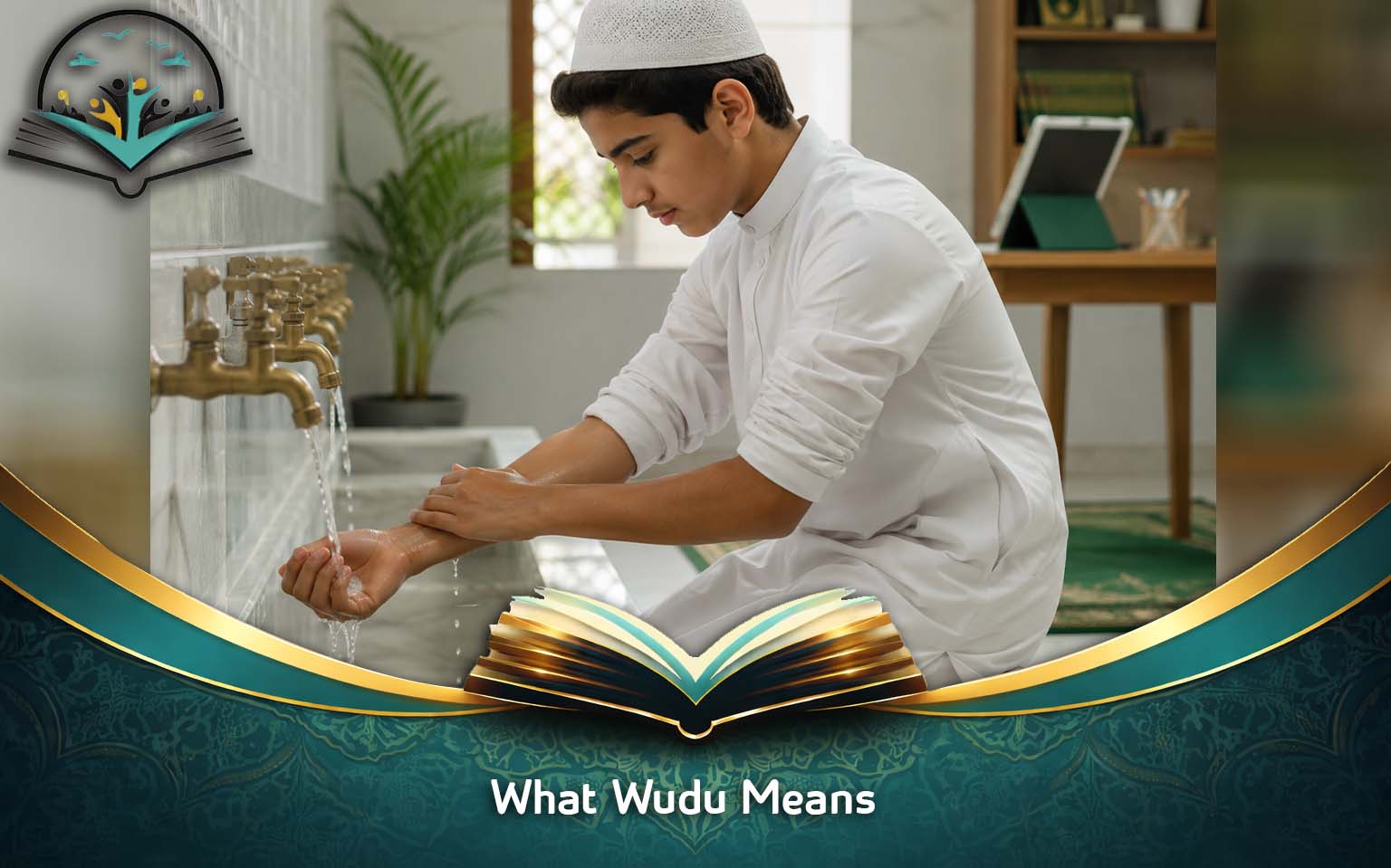
This Wudu step by step guide explains how Muslims prepare for salah through a clear act of purification. Wudu is not only about washing parts of the body. It is also a moment of focus before standing before Allah. Because prayer has conditions, purification must come before salah when a person is not already in a state of ritual purity.
Many beginners feel unsure about the order, the number of times, or the exact body parts, which is one of the Facts about Islam related to learning worship correctly at the beginning. That is normal, but the process becomes easy when each action is explained in plain language. Rattel WartaqiQuran Academy helps learners understand purification as a simple, meaningful practice that can become part of daily worship.
Wudu teaches cleanliness, discipline, and intention. It also helps the believer move from ordinary activity into prayer with respect. Therefore, learning it properly gives every Muslim a stronger foundation for worship.
Start Learning Wudu Correctly Today
Learn purification with clarity and confidence through structured online Islamic lessons at Rattel WartaqiQuran Academy. Build correct worship habits, avoid common mistakes, and prepare for salah with proper understanding. Book your first lesson today and begin improving your prayer practice step by step.

Why Wudu Comes First
Before salah, a Muslim prepares physically and spiritually. Wudu removes ritual impurity and helps the person enter prayer with care. The Prophet Muhammad, peace be upon him, taught that salah without purification is not accepted. This shows that wudu is not optional when purification is required.
A careful Wudu step by step routine also prevents common mistakes. For example, some people forget the elbows, rush the feet, or leave areas between the toes dry. These small issues can be avoided through calm practice. Once the order becomes familiar, wudu feels smooth, steady, and natural.
Begin With Intention
Intention is the starting point of worship. In wudu, intention means knowing in your heart that you are purifying yourself for salah or another act that needs purity. You do not need to say a special phrase aloud. The intention belongs to the heart, not the tongue.
After forming the intention, say “Bismillah” before starting. You may say it quietly. This reminds the believer that the act begins in the name of Allah. It also changes wudu from a normal washing routine into an act of worship.
Wash The Hands
Start by washing both hands three times. Begin with the right hand. Wash from the fingertips to the wrist, and make sure water reaches between the fingers. Also check around the nails, the back of the hand, and the base of the thumb. Then wash the left hand in the same way.
This step prepares the hands for the rest of wudu. Since the hands carry water to the mouth, nose, face, arms, head, ears, and feet, they should be cleaned first. The right side is usually started before the left side, following the prophetic way.
Read also: What is Ihram
Rinse Mouth And Nose
After washing the hands, rinse the mouth three times. Take water with the right hand, place it in the mouth, move it around, and then spit it out. The goal is to clean the mouth properly without swallowing the water. If you are fasting, rinse gently so water does not pass into the throat.
Next, clean the nose three times. Take a small amount of water into the right hand and draw it lightly into the nostrils. Then blow it out. Do not inhale strongly, because too much force can cause discomfort. Children, elderly learners, and new Muslims should practice this part gently.
Wash The Face
Wash the face three times. The face includes the area from the hairline to the chin and from one ear to the other. Water should reach the entire face. Use both hands to spread water evenly, and do not leave the sides of the face dry.
Men with beards should pass wet fingers through the beard when possible. A light beard should be washed so water reaches the skin beneath it. A thick beard should be washed on the outside, and fingers may be passed through it. This keeps the action practical and complete.
Wash Both Arms
After the face, wash the right arm three times. Begin from the fingertips and continue up to and including the elbow. The elbow must be washed because it is part of the required area. Make sure water reaches the inner arm, outer arm, wrist, and spaces between the fingers.
Then wash the left arm in the same way. Do not stop before the elbow. Also avoid letting water pass over the arm without checking dry spots. If sleeves are tight, roll them up properly before beginning wudu. This prevents water from missing the required area.
Wipe Head And Ears
After washing both arms, wipe the head once. This action is wiping, not washing. Wet both hands, then pass them from the front of the head to the back. After that, return the hands from the back to the front. This is done once.
The method applies to different hair types. A person with short hair, long hair, or no hair follows the same basic action. The purpose is not to soak the head. The purpose is to wipe it with wet hands.
Then clean the ears once using the same moisture. Place the index fingers inside the ears and use the thumbs behind the ears. This should be done gently. Do not push deeply into the ear. The movement is light, simple, and controlled.
Wash The Feet
The final washing stage is the feet. Begin with the right foot and wash it three times. Start at the toes and continue up to and including the ankle. Make sure water reaches between the toes, around the heel, under the toes, and behind the ankle.
Then wash the left foot in the same way. The feet are often where mistakes happen, especially when people rush. A dry heel or dry area between the toes should be avoided. Use your hand to guide water across the full foot if needed.
If you make wudu in a public place, keep the area clean and safe. Do not leave water on the floor where someone may slip. Good manners are part of Islamic practice. Cleanliness should include both the body and the place being used.
After Completing Wudu
After completing wudu, it is recommended to say the shahada. Its meaning is that there is no god but Allah and that Muhammad is His servant and messenger. Many Muslims also say the reported dua asking Allah to make them among those who repent and purify themselves.
Here are practical reminders that help beginners keep wudu correct:
- Use enough water to wash each required area, but do not waste water or turn the process into excess.
- Follow the same order every time, because repetition builds memory and reduces confusion during daily prayer preparation.
- Check areas that often remain dry, including elbows, heels, between toes, and around tight rings or watches.
- Learn through demonstration when possible, because watching the method helps children and new Muslims understand faster.
These reminders keep the practice simple and useful.
What Breaks Wudu
A person needs to renew wudu after certain things. These include using the bathroom, passing wind, deep sleep, and anything that clearly removes ritual purity. If one of these happens, make wudu again before praying.
Rattel WartaqiQuran Academy encourages students to separate certainty from doubt. If you are sure you made wudu and only wonder whether it broke, you do not need to repeat it unless you have a clear reason. This prevents waswas, or obsessive doubt, from making worship difficult.
Islam brings discipline, not hardship. Therefore, learn what breaks wudu, act on clear knowledge, and avoid repeating purification without need.
Special Cases In Wudu
Some people face special situations. A person may have an injury, illness, skin condition, or limited movement. In these cases, Islam does not require harm. The person should use water safely if possible. If water causes real harm, they should ask a qualified teacher about the correct alternative.
Useful daily notes include:
- If water harms a wound, avoid unsafe washing and ask a reliable teacher about the correct purification method.
- If you wear socks, learn the rules before relying on wiping over them in daily prayer.
- If you suffer from constant doubt, act on certainty and do not repeat wudu without a clear reason.
- If you teach children, demonstrate the steps slowly and correct them gently without making worship stressful.
These cases show the balance of Islamic guidance.
Teaching Wudu To Beginners
Teaching wudu requires patience. New Muslims may not know Arabic terms or prayer habits. Children may know the actions but forget the order. Adults returning to prayer may also need a clear review. In all cases, the best method is simple instruction and calm correction.
Rattel WartaqiQuran Academy supports structured learning because beginners need confidence, not pressure. A teacher should explain each step, show it practically, and allow the learner to repeat it. This approach makes the process easier to remember.
Parents can teach children during normal prayer routines. The child can watch first, then copy each step. Short reminders work better than long lectures. For example, a parent may say, “Do not forget the elbows,” or “Check between the toes.” These gentle corrections build good habits.
When learners understand both the action and the reason behind it, wudu becomes meaningful. It is no longer just movement. It becomes preparation for meeting Allah in prayer.
Spiritual Value Of Wudu
Wudu trains the believer to pause before prayer. Daily life can be busy, noisy, and distracting. Purification creates a short moment of order before salah. The body slows down, the mind becomes aware, and the heart prepares to worship Allah.
It also teaches consistency, and through learning with a Female Quran teacher online , a Muslim may repeatedly perform wudu throughout the day, turning cleanliness and discipline into regular habits. As a result, the believer becomes more mindful of preparing properly before engaging in worship.
A person who performs wudu carefully often enters salah with better focus. That is one of its greatest benefits.
Common Beginner Mistakes
Many mistakes happen because people rush. Some wash the hands but forget between the fingers. Some rinse the mouth lightly without cleaning it. Others wash the arms but stop before the elbows. The feet also need attention, especially the heels and spaces between the toes.
Another common issue is overthinking. Some learners repeat wudu again and again because they are unsure. This can turn worship into stress. The better approach is to learn the rules clearly and act on certainty.
A good teacher can correct these problems quickly. Rattel Wartaqi Quran Academy helps learners build steady habits by focusing on clarity, order, and confidence. When students understand the method, they usually stop repeating mistakes.
Beginners should remember that learning takes time. Do not expect perfection on the first day. Practice carefully, ask when unsure, and keep worship manageable. Islam encourages sincerity and effort, not confusion or unnecessary hardship.
Our academy is a trusted online Islamic academy for kids, providing comprehensive Islamic education in a safe and engaging virtual environment. We offer online quran classes with qualified teachers who help students improve their recitation, Tajweed, and Quran memorization through personalized lessons. As a dedicated online Islamic center for kids, we also teach Islamic studies, daily duas, and Islamic values to support every child's spiritual growth. Each online quran tutor provides one-on-one guidance, flexible scheduling, and individualized support to help students achieve their learning goals with confidence.
Building A Daily Habit
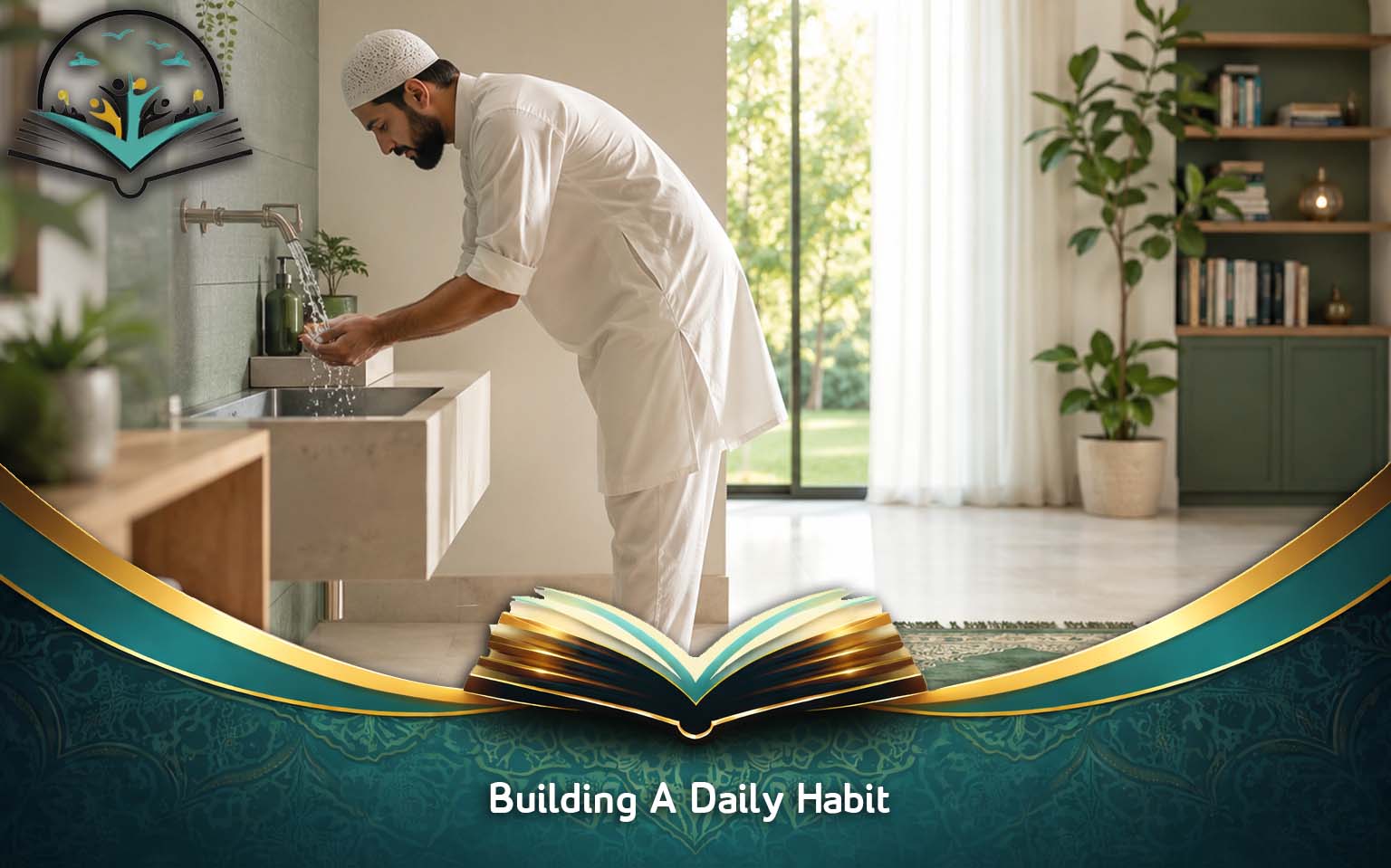
Wudu becomes easier when it becomes part of a daily routine. Keep the process calm and consistent. Use the same order every time. Prepare before prayer time when possible, especially before leaving home or joining congregational prayer.
A clean space also helps. If you make wudu at home, keep a towel nearby and leave the sink area tidy. If you make wudu at a mosque, school, workplace, or public restroom, be considerate. Do not splash water everywhere. Good manners protect the comfort of others.
Wudu step by step is not only a beginner topic. Even experienced Muslims benefit from reviewing it from time to time. A quick review can correct small habits that developed over years.
In a Quran tafsir course online, the purpose is simple: to purify yourself correctly and pray with confidence. As the routine becomes familiar, the believer spends less mental energy on the mechanics and focuses more attention on salah itself.
Frequently Asked Questions
The following questions cover extra issues that many learners ask after they understand the main method of purification and daily practice.
Can I make wudu with makeup or skincare?
Yes, you can make wudu while wearing skincare if it does not block water from reaching the skin. Light creams usually allow water to pass. However, waterproof makeup, nail polish, or thick barriers must be removed from required washing areas before purification.
Should I repeat wudu if I feel unsure?
Do not repeat wudu only because of doubt. If you are certain that you made wudu, you remain upon that certainty until you clearly know it broke. This rule helps protect worship from stress, repeated washing, and obsessive uncertainty.
Can children learn wudu before prayer age?
Yes, children can learn before prayer becomes required for them. Early teaching helps them become comfortable with worship. Parents should use demonstration, gentle correction, and short practice sessions so children connect purification with calmness, cleanliness, and love for salah.
In conclusion, Wudu step by step with Rattel Wartaqi Quran Academy helps learners understand purification as both a practical requirement and a meaningful spiritual preparation.
Performing wudu correctly teaches discipline, cleanliness, and mindfulness before standing in prayer. Each step reminds Muslims that worship begins with care, intention, and obedience to Allah.
When beginners follow a clear and organized explanation, they can avoid common mistakes and feel more confident in their daily practice.
In Kids Islamic education, learning wudu goes beyond washing specific parts of the body; it also helps prepare the heart for salah, reflection, and building a stronger daily connection with Islamic teachings.
Read also: aqidah classes for beginners
Add New Comment