 العربية
 English

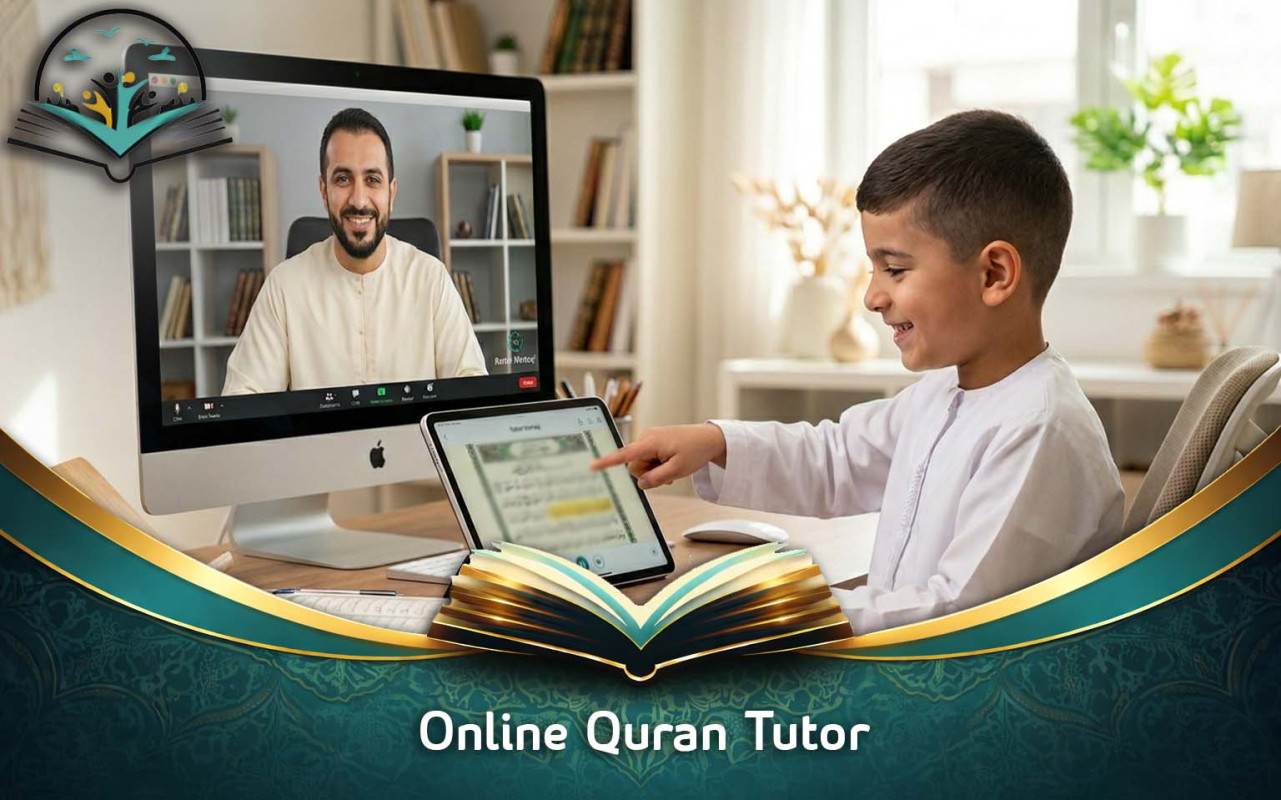
Online Quran Tutor for Kids at Rattel Wartaqi Quran Academy provides young learners with a safe, engaging, and structured way to study the Quran from home. Through interactive online lessons, children can improve recitation, understand basic Tajweed rules, and build a strong connection with Islamic values.
Qualified tutors use child-friendly teaching methods that match each student’s age, level, and learning pace. Parents can easily follow their child’s progress while enjoying flexible schedules and personalized attention. This online approach helps kids gain confidence, develop discipline, and love learning the Quran in a comfortable and supportive environment.
A Warm Quran Journey for Your Child

For many Muslim parents, Quran learning is deeply personal. It is not just a weekly lesson or another task after school. It is the sound a child remembers at home, the calm moment after a busy day, and the first step toward a stronger Islamic identity.
However, parents often feel torn between schoolwork, activities, screen time, and family routines. That is why choosing an Online Quran Tutor for Kids can make Quran learning easier, warmer, and more consistent.
With the right teacher, your child can learn from home, ask questions without fear, and improve step by step. At Rattel Wartaqi Quran Academy, the learning journey focuses on patience, correct recitation, steady progress, and a real love for the Book of Allah.
Start with a Trial Class That Feels Easy for Your Child
Before you commit to any long program, let your child experience a calm first lesson. A trial class helps parents see how the teacher speaks, corrects, listens, and encourages. It also helps the child feel safe before starting a regular schedule.
Book a suitable time, prepare a quiet corner, and let your child meet an Online Quran Tutor for Kids who teaches with care, clarity, and respect.

Why Parents Search for Personal Quran Guidance?
Parents usually search for Quran lessons when they notice a real need at home. Some children can recite short surahs, but they mispronounce letters. Others memorize quickly, yet forget because revision is weak. Some children feel nervous when they read in front of others.
Therefore, a private learning path can help. A family may choose a quran tutor online when they want focused support without turning Quran time into travel, pressure, or another stressful task.
An Online Quran Tutor for Kids gives each child personal time, direct correction, and a pace that matches their level. This matters because children do not all learn in the same way. A confident child may need more Tajweed focus. A shy child may need gentle repetition before reading aloud. A beginner may need Arabic letters first.
When the teacher understands these differences, lessons become more useful. Parents also feel calmer because they can see what their child needs next. This type of guidance turns Quran learning from a confusing goal into a clear weekly routine.
A Teacher Who Understands Children
A strong Quran teacher does more than listen and correct. The teacher notices small signs. A child may look away because he feels unsure. Another child may rush through a verse because she wants to finish quickly.
A good tutor slows the lesson, smiles, repeats the sound, and gives the child another chance. This human touch is essential. Children remember how a teacher made them feel.
If the class feels harsh, they may avoid the Mushaf. If it feels safe, they come back with more confidence. That is why an Online Quran Tutor for Kids should combine knowledge with patience.
The tutor should explain clearly, correct gently, and celebrate small progress. For example, a child who finally pronounces “ق” correctly deserves real encouragement. These little moments build trust. Over time, the child begins to read without fear. The lesson becomes a place of growth, not pressure.
What a Good Quran Tutor Should Teach First?
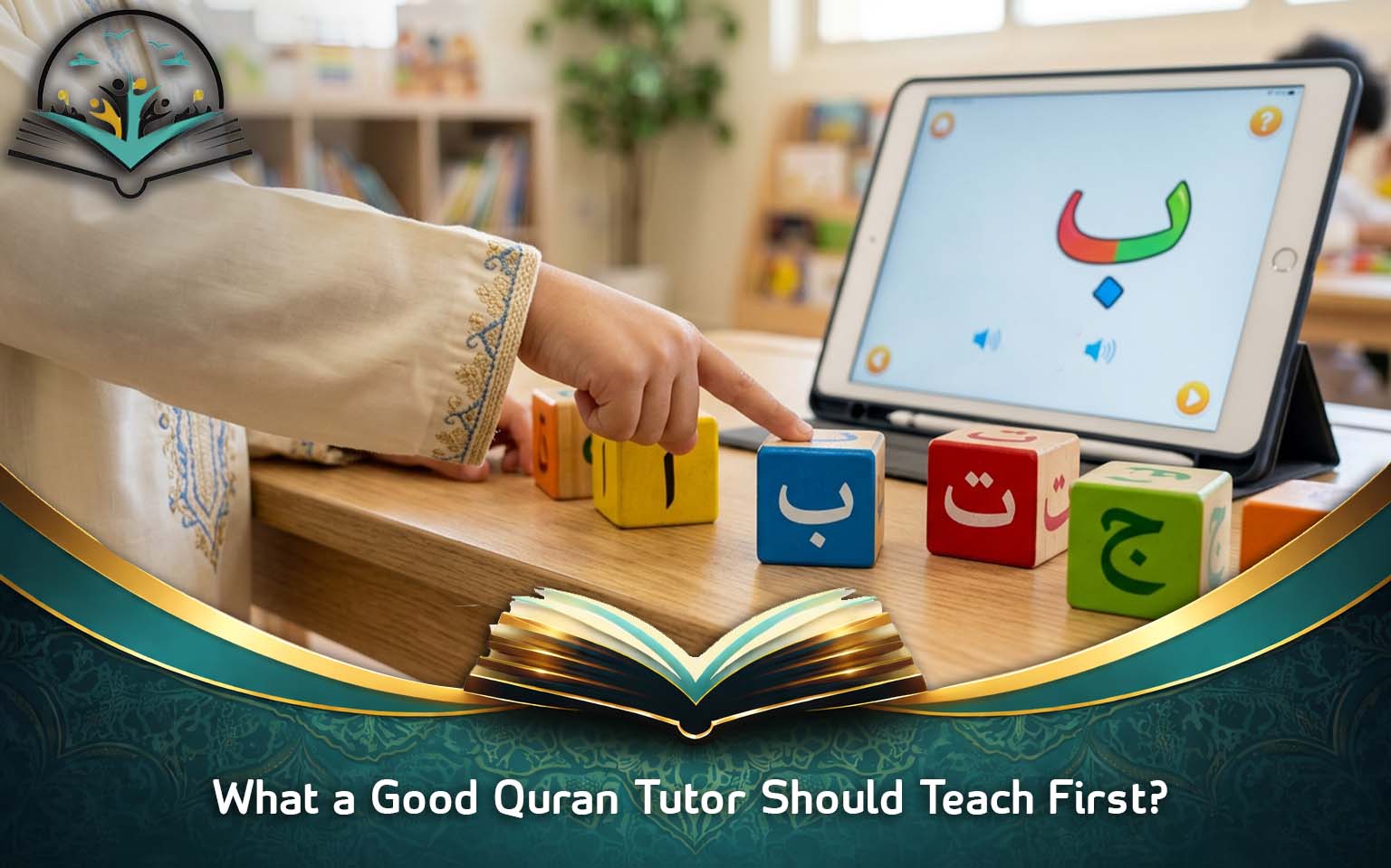
A child needs strong foundations before moving into long recitation or memorization. First, the tutor should check letter recognition. Then, the child should learn the sound of each letter from its correct place. After that, the teacher can work on joining letters, short words, and simple Quran lines. This order protects the child from guessing. It also makes later Tajweed easier.
At Rattel Wartaqi Quran Academy, the tutor can shape the first plan around the child’s real level, not only the child’s age. This is important because two children of the same age may have very different skills. One may read Arabic fluently. Another may still confuse similar letters.
A careful tutor does not rush either child. Instead, the lesson builds one skill at a time. Parents can support this by asking for clear homework after each class. Small homework keeps learning alive between lessons.
Arabic Reading Before Long Recitation
Many children struggle with Quran recitation because they never built a solid Arabic reading base. They may repeat after audio, yet they cannot read the same words alone. Therefore, Arabic reading should come early.
Parents wondering how to learn quran at home can begin with a simple routine: clear letters, short revision, and patient correction after each lesson. The child needs to recognize letters at the beginning, middle, and end of words. Then, vowels, Sukoon, Shaddah, and Madd should be taught through short examples.
This approach makes the child more independent. It also reduces stress during recitation. When a child can read a word slowly, correction becomes easier. Parents often notice a clear change after this stage. The child opens the Mushaf with more confidence. The teacher no longer has to repeat every word many times.
Instead, the child begins to understand how the written word works. This foundation supports recitation, memorization, and future Quran study. It also gives the child a feeling of real achievement.
Tajweed in a Simple and Practical Way
Tajweed should not feel like a heavy subject for young children. It should feel like learning how to recite beautifully and correctly. The teacher can start with sounds, not long definitions.
For example, the child can hear the difference between heavy and light letters before learning detailed terms. Then, the tutor can introduce simple rules through real verses. Short drills help. Repeating after the teacher helps even more.
A child may practice Ghunnah, Madd, Qalqalah, or stopping rules in small parts. This keeps the lesson clear. For children who need online quran classes with tajweed, this practical style makes rules easier to hear, repeat, and apply during real recitation. The goal is not to overwhelm the child with theory.
The goal is accurate recitation through listening, practice, and correction. When Tajweed is taught gently, children stop fearing mistakes. They begin to hear their own recitation better. Over time, they correct themselves faster. This is a major sign that the lesson is working.
A Learning Plan That Respects Your Child’s Pace
A successful Quran plan should feel steady, not rushed. Some parents want fast memorization, which is understandable. Yet speed without revision can create weak results. A better plan balances new learning, correction, and review.
An Online Quran Tutor for Kids can divide the journey into simple stages: reading, recitation, Tajweed, memorization, and revision. Each stage supports the next.
At Rattel Wartaqi Quran Academy, lessons can be planned around school days, family routines, and the child’s attention span. A young child may need shorter lessons with more repetition. An older child may handle longer reading and memorization.
The plan should also leave space for difficult weeks. Children get tired. Exams happen. Family schedules change. A flexible plan protects consistency without creating guilt. When the child feels that progress is possible, learning becomes easier. The parent also feels less pressure because the journey has clear steps.
How Online Lessons Fit a Real Family Routine?
Online Quran learning works best when it fits real life. A parent may be preparing dinner. A younger sibling may be playing nearby. The child may have homework due the next day. Therefore, the lesson needs a simple routine. Choose a quiet space, keep the Mushaf ready, check the internet, and begin on time.
These small habits make a big difference. This is why many parents choose online quran classes for kids as a practical way to protect Quran time without adding travel, waiting, or pressure to the day. An Online Quran Tutor for Kids can help families keep that time focused and meaningful.
Even two or three steady sessions each week can lead to strong progress when revision continues at home. Parents should also choose lesson times carefully. A child who studies late at night may feel tired and distracted.
A child who studies after a short break may focus better. Online learning gives parents that choice. It also allows them to stay nearby, listen quietly, and support the child after class.
What Children Gain Beyond Better Recitation?
The best Quran lessons shape more than pronunciation. Children learn patience when they repeat a difficult verse. They learn honesty when they admit they forgot homework. They learn respect when they listen carefully to correction.
These values matter. Quran learning should touch behavior, not only the tongue. A caring tutor can add short reminders about manners, gratitude, prayer, and love for Allah. These reminders should be simple and natural. For example, after a child tries hard, the teacher may say, “Allah loves effort, and every step matters.” This kind of sentence stays with a child. It makes the lesson feel warm.
Parents may also notice small changes at home. The child may become more willing to revise. They may recite a short surah proudly. They may remind a sibling to begin with Bismillah. These moments show that learning is reaching the heart.
A Practical Checklist for Parents
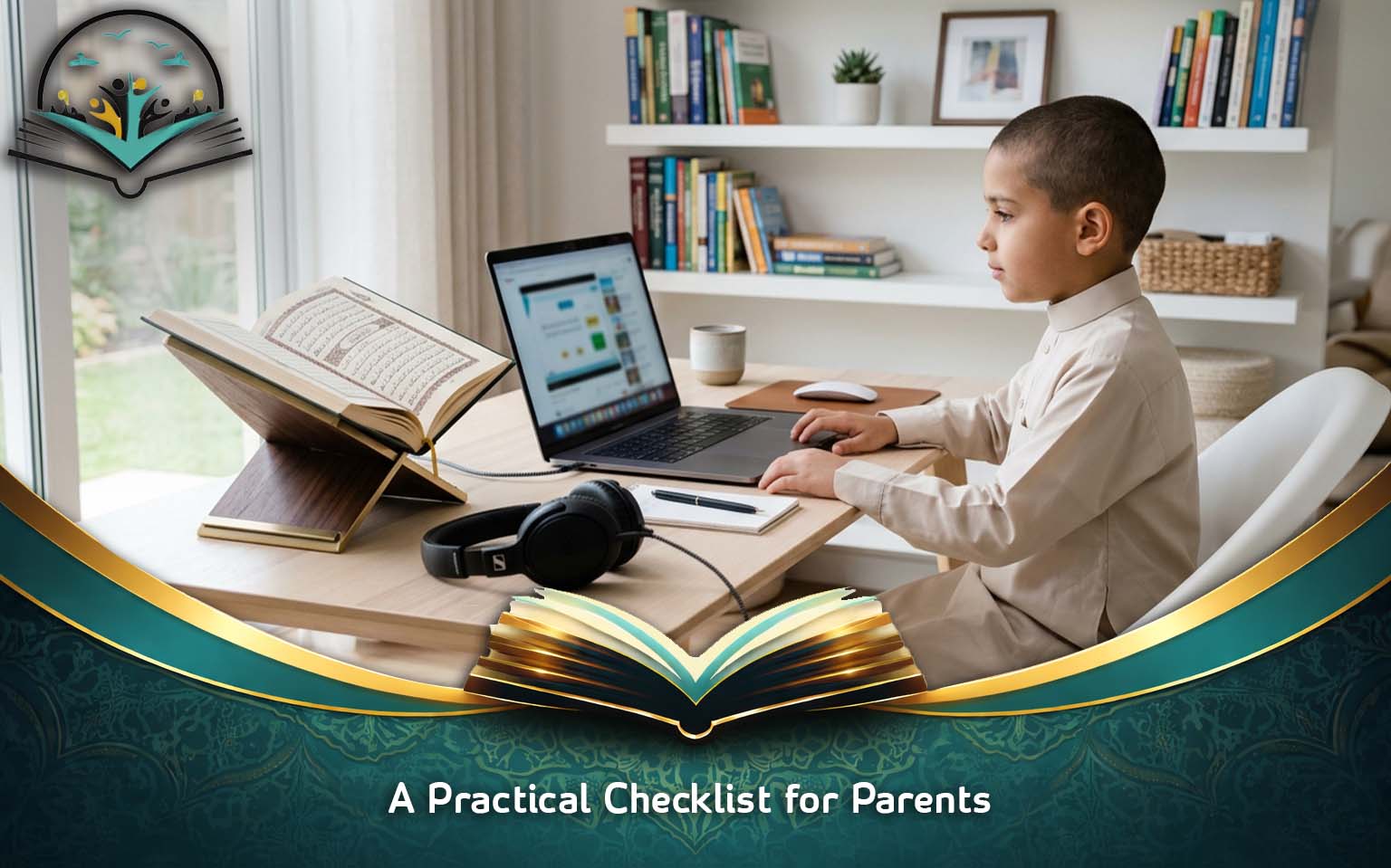
Parents can make online Quran lessons smoother by preparing a simple routine before every class. This does not need much time. It only needs consistency and a little attention. Use this checklist to support your child without turning the lesson into pressure:
-
Prepare the device, headphones, Mushaf, and notebook before class.
-
Choose a quiet place away from television and loud conversations.
-
Ask the child to revise for ten minutes before the lesson starts.
-
Keep water nearby, especially for younger children.
-
Listen to the teacher’s feedback after class when possible.
-
Praise effort, patience, and improvement, not only perfect recitation.
-
Avoid comparing siblings because every child learns at a different pace.
-
Write down one small goal for the next lesson.
This routine helps the child feel ready. It also tells the child that Quran time is important, calm, and respected.
Progress Parents Can See and Understand
Parents need clear signs of progress. They should not have to guess whether classes are working. Visible progress may appear in small ways. The child reads a line with fewer pauses. A difficult letter becomes clearer. A memorized surah stays stronger after revision.
The child starts class with less resistance. These signs matter because real Quran learning grows gradually. An Online Quran Tutor for Kids should give parents regular feedback about strengths, weak points, and next steps. At Rattel Wartaqi Quran Academy, progress should feel understandable for the family, not hidden inside the lesson.
Parents can ask what to revise, how often to practice, and which mistakes need attention. This communication helps the child because home practice becomes focused. It also helps parents celebrate real improvement. When children see that their effort is noticed, they feel proud. That pride can become motivation for the next lesson.
Common Mistakes That Make Children Lose Interest
Some children lose interest in Quran lessons because the experience becomes too heavy. One common mistake is expecting fast results from a young learner. Children need time to repeat, forget, try again, and improve.
Another mistake is making every correction sound like criticism. A child can accept correction when it feels kind and useful. However, harsh comments may make the child avoid reading. Parents should also avoid long practice sessions that turn into arguments. Short, calm revision works better. Another mistake is skipping lessons often. Irregular learning makes the child forget and lose rhythm.
Also, families should avoid choosing a class only because it is cheap or easy to book. The teacher’s quality matters most. A good teacher protects the child’s confidence while improving recitation. When parents avoid these mistakes, Quran learning becomes lighter, clearer, and more effective.
Choosing the Right Tutor for Your Child
Choosing the right tutor means looking beyond a timetable. Parents should ask how the teacher handles mistakes, how progress is measured, and how homework is given. They should also notice how the child feels after class.
Does the child seem encouraged? Does the child understand what to practice? Does the teacher speak clearly and kindly? These questions matter. A private Quran tutor should make the child feel guided, not judged.
The tutor should also understand the family’s goals. Some families want recitation improvement. Others want memorization, Tajweed, or Arabic reading. Some want a gentle Islamic routine for a child growing up in a non-Muslim country.
Clear goals help the teacher build a better plan. Parents should also ask for a level check before committing to a long schedule. A good start saves time and creates trust from the beginning.
Frequently Asked Questions
Parents often have practical questions before starting Quran lessons for their children. These questions are not always about Tajweed or memorization. Sometimes they are about comfort, timing, motivation, and the small details that make learning easier at home.
What if my child is very shy during the first class?
A shy child should not be pushed to read too much at the beginning. The teacher can start with listening, simple repetition, and friendly questions. After the child feels safe, reading can increase gradually. Patience in the first class often leads to better confidence later.
Should my child start with memorization or reading?
Most children benefit from building reading skills first, especially if they cannot recognize Arabic letters well. Memorization can still happen with short surahs, but reading gives the child independence. A balanced teacher can combine both without rushing the child.
How can I help my child revise without causing stress?
Keep revision short and predictable. Ten focused minutes can be better than a long session filled with pressure. Choose a calm time, praise effort, and review only what the teacher assigned. This keeps practice useful and prevents arguments.
Is online Quran learning suitable for active children?
Yes, but active children need shorter tasks and a teacher who changes the pace during the lesson. They may need reading, repetition, listening, and quick questions in one session. A calm setup and clear routine also help them focus better.
Can parents attend the lesson with the child?
Parents can stay nearby, especially with younger learners. However, they should avoid correcting too much during the class. The teacher needs space to build trust with the child. Parents can listen quietly and discuss feedback after the lesson ends.
When should parents change the learning plan?
Parents should review the plan if the child feels constantly stressed, makes no progress, or receives unclear homework. Sometimes the solution is not changing the teacher. It may be adjusting lesson length, timing, revision load, or learning goals.
In conclusion, choosing an Online Quran Tutor for Kids at Rattel Wartaqi Quran Academy can make Quran learning easier, more enjoyable, and more effective for children.
With professional teachers, flexible online classes, and personalized guidance, young students can learn Quran recitation, Tajweed, and Islamic manners step by step. This method allows parents to provide quality religious education without leaving home.
It also helps children stay motivated, focused, and confident throughout their learning journey. By starting early with the right tutor, every child can build a lifelong relationship with the Quran and grow spiritually with care.
Add New Comment