 العربية
 English

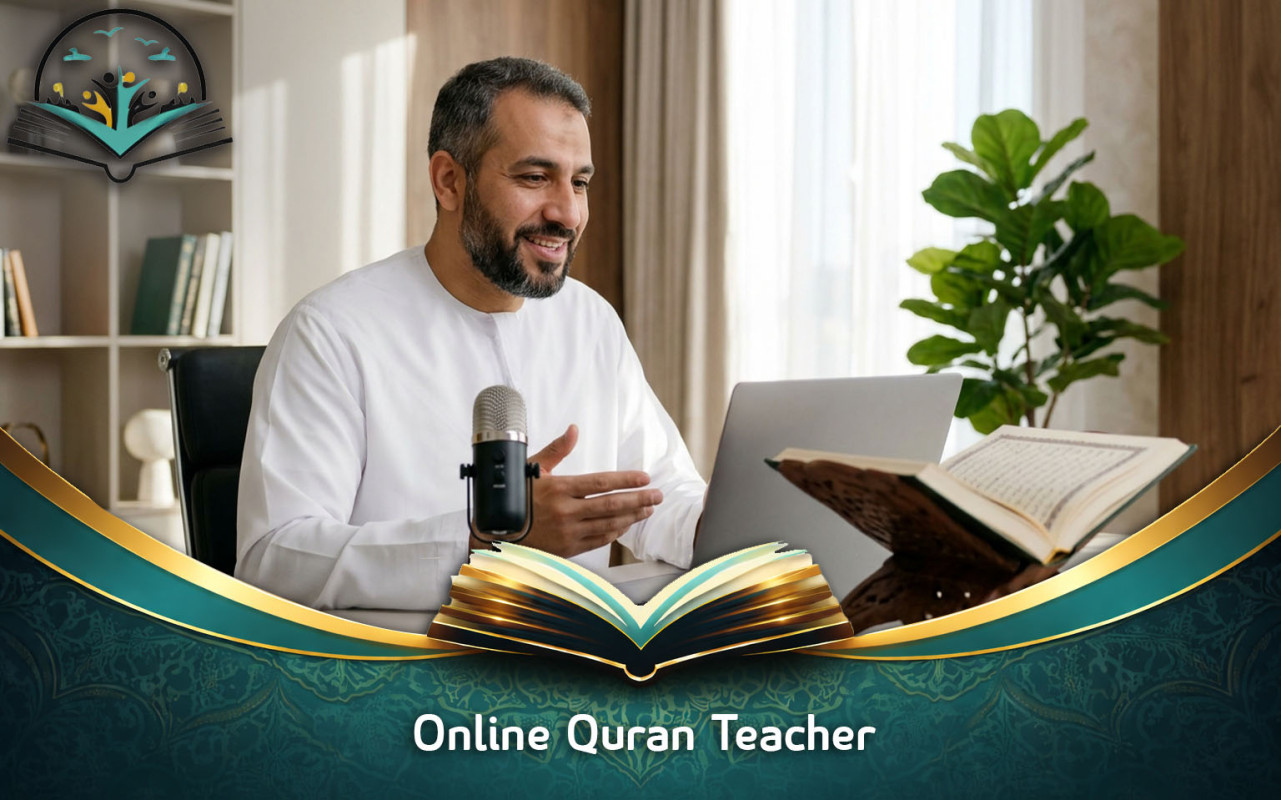
Online Quran Teacher services help students of different ages learn Quran recitation, Tajweed, memorization, and foundational Islamic knowledge through structured lessons from home.
Choosing the right teacher involves more than finding a convenient class. Students need clear explanations, accurate pronunciation guidance, a suitable learning plan, and regular opportunities to practice what they learn. Therefore, understanding the available teaching methods can help families and individual learners make a confident decision.
With Rattel W Artaqi Quran Academy, learners can explore an approach to Quran education that emphasizes structured learning, individual goals, and consistent practice. Before enrolling, however, students should identify their current reading ability, preferred language, available study time, and main objectives.
Whether you are introducing your child to Arabic letters, improving your own recitation, or working toward memorizing the Holy Quran, the right learning arrangement can make your studies more organized and manageable.
This guide explains the benefits of online Quran lessons, the qualities to look for in a tutor, the differences between learning levels, and the practical steps involved in choosing a suitable program.
Benefits of Learning with an Online Quran Teacher

Learning the Quran online gives students greater flexibility in arranging their studies. Instead of traveling to a physical classroom, learners can attend lessons from a quiet space at home, provided they have a reliable internet connection and a suitable device.
However, convenience is only one consideration. The effectiveness of online learning also depends on lesson quality, student participation, and the teacher's ability to identify and correct mistakes. Here are several potential benefits of choosing online Quran education.
1. Convenient Learning from Home
Online lessons reduce the need for regular travel, which can be particularly helpful for families with busy schedules. Students living far from local Quran teaching centers can also explore learning opportunities without geographical restrictions.
Moreover, parents can arrange lessons around school hours, work commitments, and family responsibilities. Adults may find this flexibility useful when balancing Quran study with professional or personal obligations.
2. Individual Attention and Feedback
An online Quran teacher can listen to a student's recitation, identify pronunciation difficulties, and explain corrections during a live lesson.
In individual classes, the student may have more time to ask questions and repeat difficult passages. Nevertheless, the quality of instruction depends on the teacher's experience and teaching approach rather than the online format alone.
3. A Learning Plan Based on Individual Needs
Students do not all begin at the same level. Some need to recognize Arabic letters, while others already read fluently but want to improve their application of Tajweed rules.
A suitable program should account for these differences. For example, a beginner may benefit from short reading exercises, whereas an advanced learner may need detailed feedback on articulation points and recitation rules.
4. Consistent Practice and Progress Monitoring
Regular lessons provide opportunities to review previous material, correct recurring errors, and establish achievable goals. In addition, keeping a simple record of completed lessons can help students understand which skills need further attention.
Progress should be assessed through actual reading, recitation, and recall rather than attendance alone.
Improve Your Quran Recitation with Expert Guidance
Are you ready to overcome common Quran recitation mistakes and recite the Holy Quran with greater accuracy and confidence? At Rattel W Artaqi Quran Academy, you can work on your pronunciation, strengthen your understanding of Tajweed rules, and improve your reading fluency through structured learning and guided practice.
Whether you are a beginner or an experienced reader, focusing on your individual challenges can help you build better recitation habits step by step. Join Rattel W Artaqi Quran Academy today and take the next step toward more accurate Quran recitation with guidance tailored to your learning needs.
Start your journey toward clearer pronunciation, consistent Tajweed application, and a stronger connection with the words of the Holy Quran.

Qualities to Look for in an Online Quran Teacher
Selecting a suitable tutor requires attention to religious knowledge, teaching ability, communication, and experience with the student's learning level. A strong understanding of Quran recitation is important, but effective instruction also requires patience and the ability to explain difficult concepts clearly.
When comparing teachers through Rattel W Artaqi Quran Academy, prospective students should ask about the instructor's qualifications, the structure of lessons, and the methods used to evaluate progress. Consider the following qualities before making a decision.
Knowledge of Quran Recitation and Tajweed
A teacher should understand the rules relevant to the course being taught. For Tajweed lessons, this includes explaining correct articulation, letter characteristics, and the rules governing recitation.
Furthermore, instructors should demonstrate examples clearly and allow students sufficient time to practice. Learners should feel comfortable asking for another explanation whenever a rule remains unclear.
Relevant Qualifications and Teaching Experience
Qualifications can help students assess a teacher's educational background. Depending on the course, relevant credentials may include formal Quranic studies or an Ijazah in an appropriate recitation tradition.
However, credentials should not be the only selection criterion. Ask how the instructor teaches beginners, corrects mistakes, and adapts lessons for children or adults.
Patience and Clear Communication
Students often repeat the same mistakes while developing new skills. A supportive teacher explains corrections respectfully, provides practical examples, and encourages continued effort without making learners feel embarrassed.
Clear communication is especially important when lessons take place remotely. Students should understand instructions, receive specific feedback, and know what to practice between sessions.
Adaptability to Different Learning Styles
Some students learn best through demonstrations, while others benefit from written notes, repetition, or short practice exercises.
Therefore, a teacher should be able to adjust the lesson format when a student struggles with a particular skill. The aim is not simply to finish the syllabus but to develop accurate, lasting learning habits.
Appropriate Language and Communication
Learning becomes easier when students can understand explanations comfortably. Families may prefer instruction in English, Arabic, or another mutually understood language.
Before enrolling, clarify which languages the teacher uses and whether explanations can be adapted to the student's comprehension level.
Online Quran Teacher for Kids and Adults
Children and adults can study the Quran online, although their learning needs and teaching methods may differ. Children often benefit from shorter activities and frequent encouragement, while adults may prefer a clearly organized curriculum that fits around work and family responsibilities.
Rattel W Artaqi Quran Academy can be considered by families and individuals exploring online Quran education, provided the available courses match their requirements.
Quran Lessons for Children
Children who are new to Quran learning generally need a gradual introduction to Arabic letters, their sounds, and the basic skills required for reading. Starting with a suitable foundation helps them avoid developing habits that may later require correction. A child-focused program may include:
- Arabic letter recognition and pronunciation.
- Basic reading exercises using an appropriate Qaida.
- Gradual introduction to Quranic words and short passages.
- Listening and repeating activities to develop accurate pronunciation.
- Simple explanations of appropriate Islamic manners and values.
- Regular revision to reinforce previously learned material.
Parents can support their children's progress by providing a quiet study area and helping them follow the agreed practice schedule. However, practice should remain manageable and encouraging rather than becoming a source of unnecessary pressure.
Quran Lessons for Adults
Adults may begin learning from the very basics or continue developing skills acquired during childhood. Consequently, an effective program should first establish the learner's current level instead of assuming that every adult has the same background.
Depending on individual goals, lessons may focus on Arabic letter pronunciation, fluent recitation, Tajweed, memorization, or selected Quranic meanings.
Additionally, adults often benefit from discussing practical study schedules with their teachers. A realistic plan allows learners to maintain consistent practice without interfering excessively with work or family commitments.
Online Quran Teacher for Beginners
Beginners need a clear starting point, especially if they have limited experience reading Arabic. An organized program introduces new concepts gradually and provides enough repetition before moving to more difficult material.
Imagine an adult learner who wants to read the Quran independently but struggles to recognize Arabic letters and connect them correctly. With guidance from an Online Quran Teacher, the learner can begin with letter recognition, short reading exercises, and gradual pronunciation practice.
For example, if two Arabic letters sound similar, the teacher can demonstrate their differences and help the student practice them separately before reading complete words.
Step 1: Learn Arabic Letters and Their Sounds
The first stage involves recognizing Arabic letters and learning how their sounds are produced. Students should practice distinguishing letters that may sound similar to an unfamiliar learner.
In addition, teachers can demonstrate how letters change appearance depending on their position within a word. Repeated reading exercises help students become more comfortable recognizing these forms.
Step 2: Develop Basic Reading Skills
After learning the letters, beginners gradually practice connecting them and reading words with appropriate vowel markings.
A suitable Qaida-based approach can introduce these skills in manageable stages. However, students should not rush through lessons simply to complete the material quickly. Instead, the teacher can identify recurring mistakes and revisit difficult exercises until the learner becomes more confident.
Step 3: Begin Reading Quranic Passages
Once the student has developed sufficient foundational skills, the teacher can introduce appropriate Quranic passages.
At this stage, regular feedback helps identify difficulties with pronunciation, letter recognition, and reading fluency. Moreover, revisiting earlier exercises can prevent small errors from becoming persistent habits.
Step 4: Build Confidence Through Revision
Beginners need time to consolidate new knowledge. Short, regular practice sessions are often easier to maintain than occasional lengthy sessions.
Students should also ask their teachers which exercises deserve the most attention between lessons. This makes independent practice more purposeful and helps learners prepare for their next class.
When considering Rattel W Artaqi Quran Academy, prospective students can ask how beginner lessons are structured and how teachers assess reading progress.
Online Quran Teacher for Advanced Learners

Students with established reading skills may need a more specialized learning plan. Rather than repeating basic material unnecessarily, advanced learners can focus on refining pronunciation, applying Tajweed rules, improving fluency, or memorizing additional passages.
The appropriate course depends on the learner's current abilities and long-term objectives.
For example, a student who reads fluently but makes mistakes with specific Tajweed rules may benefit from focused correction exercises. Meanwhile, someone pursuing Hifz may need a structured system for new memorization and revision. Advanced learning may include:
- Detailed practice of selected Tajweed rules.
- Correction of recurring pronunciation errors.
- Improvement of recitation fluency and consistency.
- Memorization goals suited to the student's capacity.
- Revision plans for previously memorized passages.
- Study of selected meanings where the course includes this subject.
Progress should be reviewed periodically so the teacher can adjust the difficulty and pace. As a result, advanced students can concentrate on their actual learning needs rather than following a uniform program regardless of ability.
How to Learn Quran with a Structured Online Program?
A structured program helps students understand what they are studying, why each lesson matters, and how the next stage builds on previous knowledge.
When exploring Rattel W Artaqi Quran Academy, ask how students are assessed, how lessons are arranged, and how teachers communicate areas that require additional practice.
Although individual arrangements differ, the following process offers a useful framework for starting Quran lessons.
Step 1: Identify Your Learning Goals
Before selecting a course, decide what you want to achieve. Your primary goal may be learning Arabic letters, improving recitation, studying Tajweed, memorizing the Quran, or developing a stronger understanding of selected passages.
If you have several goals, prioritize them. This helps the teacher design a manageable plan and prevents the initial lessons from becoming unnecessarily complicated.
Step 2: Assess Your Current Level
A starting assessment helps determine whether you need foundational reading instruction or more advanced guidance.
During this assessment, explain any difficulties you experience. For instance, you may recognize Arabic letters but struggle to connect them, or you may read fluently while needing help with particular Tajweed rules.
Step 3: Discuss the Lesson Schedule
Consistency matters, but the ideal schedule varies between students. Children may need shorter sessions, while adults might prefer lesson times that accommodate their work commitments.
Discuss lesson frequency, duration, revision expectations, and the process for rescheduling when necessary. Clear expectations can help prevent avoidable interruptions.
Step 4: Review Progress Regularly
Ask how the teacher evaluates improvement. Useful indicators include more accurate pronunciation, stronger reading fluency, better application of Tajweed rules, and improved memorization.
Additionally, students should receive practical guidance about their next learning targets. This allows them to understand both their achievements and the skills that still require attention.
Learn Tajweed with an Online Quran Teacher
Tajweed is the study of rules that guide correct Quran recitation. These rules help learners pronounce Arabic letters appropriately and observe the established characteristics and requirements of recitation.
Studying Tajweed involves more than memorizing definitions. Students need to hear examples, practice applying the rules, and receive corrections when their recitation differs from the intended pronunciation.
A well-organized Tajweed course should combine explanations, guided practice, and regular feedback. Learners can also explore Common Mistakes in Quran Recitation to understand frequent errors and why consistent correction matters.
Understanding Articulation Points
Arabic letters are produced from different articulation points. Some distinctions can be difficult for beginners, particularly when their first language does not contain the same sounds.
Teachers can demonstrate the correct pronunciation and help students compare similar letters. Through repetition and feedback, learners can gradually improve their ability to recognize and produce these sounds.
Practicing Tajweed Rules in Context
Students should apply each rule while reading actual Quranic passages. This approach helps them understand how rules operate in context rather than treating them as isolated definitions.
Depending on the learner's level, lessons may address elongation, rules of noon sakinah and tanween, and other relevant Tajweed topics. Students who want to understand the meaning and interpretation of Quranic passages can also read What is Tafseer and Why It Matters.
Receiving Individual Recitation Feedback
Live practice gives students opportunities to recite and receive immediate corrections. Nevertheless, improvement requires continued effort between lessons.
Learners can benefit from keeping a record of recurring mistakes and revisiting the relevant passages. Over time, this practice may help them apply familiar rules more consistently. Students who wish to understand formal recognition of their recitation proficiency can learn more about What is Ijazah in Quran Recitation.
Progressing from Basic to Advanced Tajweed
Beginners should establish accurate foundational pronunciation before attempting more complex material. Once these skills improve, the teacher can introduce additional rules and more demanding recitation exercises.
This gradual progression supports better understanding and gives students time to apply each concept properly. Choosing a suitable learning format is also important; Online Quran Classes vs In-Person Classes explains key differences learners may consider when deciding how to study.
Learn Quran Memorization (Hifz) Online
Quran memorization requires regular practice, careful listening, and a revision routine that protects previously learned material. Although students may differ in how quickly they memorize, consistency and accuracy should remain central priorities.
A structured Hifz program should consider the learner's age, available time, current memorization ability, and capacity for revision. Setting realistic goals is particularly important because memorizing new passages without reviewing earlier ones can make retention more difficult. Adults balancing work and family responsibilities may benefit from a schedule designed around their availability, as discussed in Online Quran Classes for Adults.
Set Realistic Memorization Targets
Students should agree on an achievable amount of new material with their teacher. Some may manage a few lines comfortably, while others can work toward larger portions.
The appropriate target depends on accuracy, recall, and the time available for practice. Therefore, learners should not compare their progress rigidly with that of other students.
Combine New Memorization with Revision
Memorization involves both learning new passages and retaining those studied previously. A balanced routine may include:
- Reviewing previously memorized passages before beginning new material.
- Listening carefully to an accurate recitation.
- Repeating short sections until recall becomes more reliable.
- Reciting from memory for the teacher when appropriate.
- Recording difficult passages for additional practice.
- Returning to older material according to a consistent revision plan.
Manage Difficult Passages Carefully
Some passages may require additional repetition because of similar wording, unfamiliar vocabulary, or difficulty maintaining the correct sequence.
When this happens, students should divide the material into smaller sections and practice the transitions between them. In addition, teachers can recommend targeted revision rather than requiring the learner to repeat the entire portion without guidance.
Maintain Motivation Throughout Hifz
Memorization is a long-term commitment for many students. As a result, sustainable routines are generally more useful than unrealistic schedules that are difficult to maintain.
Families can support children by recognizing consistent effort, while adults can connect practice sessions to a regular daily routine. Progress reviews also help students see how individual lessons contribute to their broader goals.
Choosing the Right Quran Learning Program
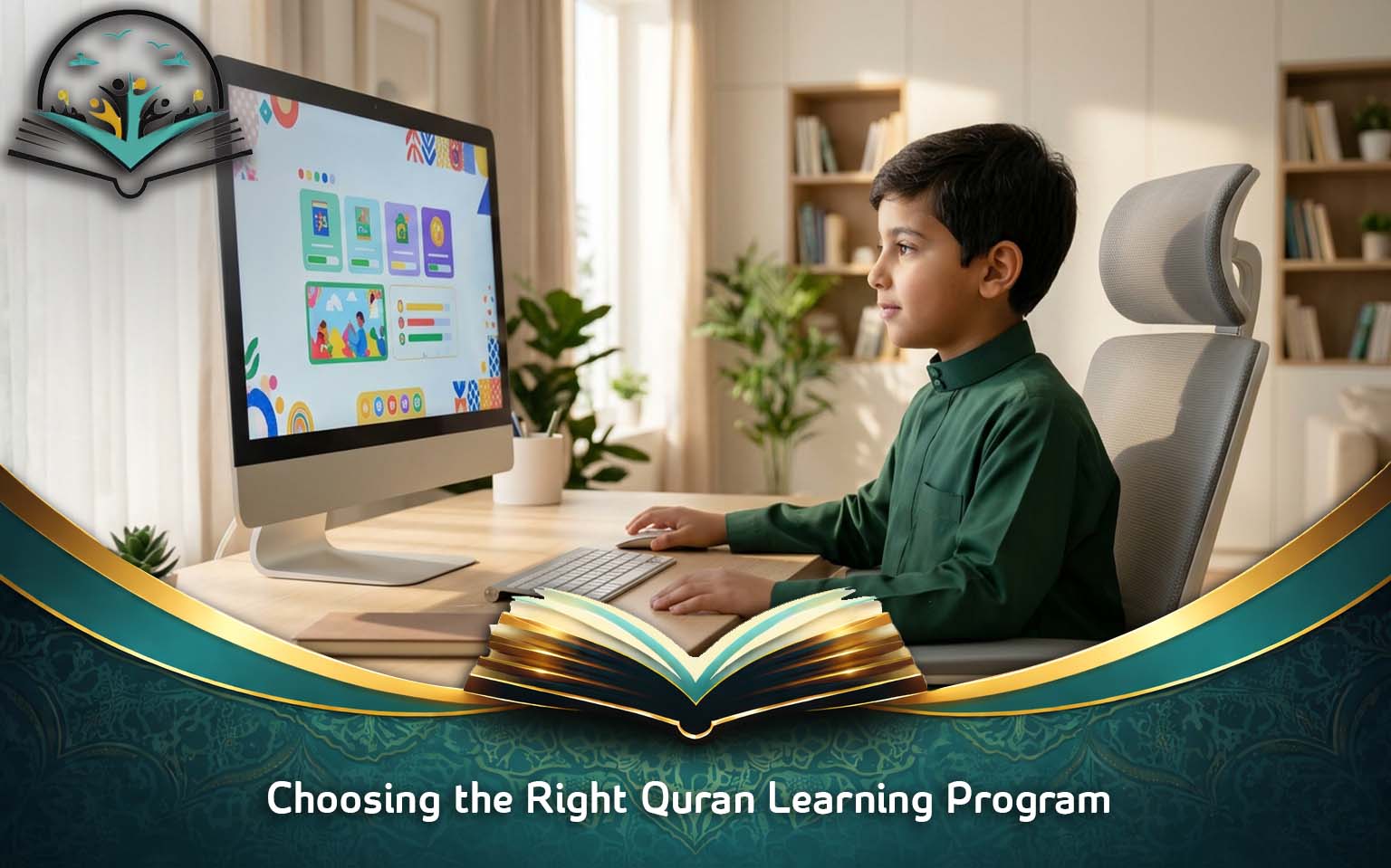
The most suitable program is one that matches the student's learning goals, current ability, preferred schedule, and available budget. A course that works well for one learner may not be appropriate for another.
Before choosing Rattel W Artaqi Quran Academy, prospective students should review the available course details and confirm which arrangements are offered.
Compare Course Content
Check whether the course covers the subjects you want to study. For example, a beginner may need foundational reading instruction, whereas an experienced reader may be looking specifically for Tajweed correction.
If you want to study several subjects, ask whether they can be combined or whether they require separate courses.
Understand Individual and Group Lessons
Individual lessons allow the teacher to concentrate on one student's needs throughout the session. Group lessons, where available, may offer opportunities to learn alongside others.
However, neither format is automatically best for everyone. Consider how comfortable you feel reciting aloud, asking questions, and receiving feedback in each setting.
Clarify Fees and Scheduling Policies
Before enrolling, confirm the total cost, payment arrangements, lesson duration, cancellation rules, and any additional charges.
It is also helpful to understand what happens if a student misses a class. Clear policies make it easier to plan lessons realistically and avoid misunderstandings later.
Ask About Communication and Feedback
Find out how teachers share progress updates and explain areas needing improvement. Parents may also want to know how they can support a child's practice without interrupting the teaching process.
Furthermore, ask how the program responds when a student needs a slower pace or additional explanation. These details can reveal whether the teaching arrangement fits your expectations.
Best Online Quran Academy for Quran Teaching
A suitable Quran learning provider should offer clear course information, an organized teaching approach, and a way for students to understand their progress. The decision should be based on verified details rather than promotional statements alone.
When reviewing Rattel W Artaqi Quran Academy, prospective learners can use the following checklist to guide their questions.
- Course availability: Confirm whether the desired subject and learning level are offered.
- Teacher qualifications: Ask about relevant Quranic education and experience teaching similar students.
- Lesson format: Establish whether individual or group instruction is available.
- Learning plan: Understand how lessons progress from foundational skills to more advanced material.
- Feedback: Ask how pronunciation errors and learning difficulties are addressed.
- Scheduling: Confirm lesson times, duration, and rescheduling arrangements.
- Fees: Review the applicable pricing and payment policies before committing.
- Technical requirements: Check the device, internet connection, and communication platform needed for lessons.
In addition, families should consider how the student feels during the learning process. A respectful environment encourages questions, makes correction easier to accept, and supports consistent participation.
No single feature guarantees educational success. Instead, the combination of appropriate instruction, regular practice, realistic expectations, and communication determines how well a program meets an individual student's needs.
Preparing for Your First Lesson with an Online Quran Teacher

Preparation can make the first lesson more productive and reduce avoidable technical difficulties. Fortunately, students generally need only a few basic arrangements to begin.
Prepare Your Learning Environment: Choose a quiet location with adequate lighting and minimal interruptions. Keep the Quran, notebook, and any requested learning materials nearby. For younger children, a parent may help prepare the device and ensure the child can hear the teacher clearly.
Check Your Internet Connection and Device: Test your internet connection, microphone, speakers, and camera if the lesson requires video. Using headphones may also help reduce background noise. If technical problems occur, inform the teacher and agree on a practical solution before the next session.
Explain Your Expectations: At the beginning, tell the teacher what you hope to achieve and describe any difficulties you already know about. For example, a student may want to improve letter pronunciation, while another may need help maintaining a memorization routine. Sharing these goals makes it easier to establish relevant priorities.
Plan Your Practice Between Lessons: Ask the teacher what to review after each session and how much time to spend on practice. A short, consistent routine may be easier to sustain than an ambitious schedule that regularly gets postponed. Finally, remember that learning develops through repetition. Give yourself or your child time to understand new material and ask for clarification whenever necessary.
Frequently Asked Questions
Frequently Asked Questions about choosing an Online Quran Teacher, lesson formats, learning levels, Tajweed practice, and Quran memorization.
1. Can I learn Quran online if I cannot read Arabic at all?
Yes. Beginners can start by learning Arabic letters, their sounds, and how letters connect to form words. A suitable teacher should assess your starting point and introduce reading skills gradually.
2. How can I check whether an online Quran lesson is suitable for my child?
Observe whether the teacher explains concepts clearly, treats the child respectfully, and adjusts activities to the child's ability. You can also ask how progress is evaluated and what support parents are expected to provide.
3. What should I do if I keep making the same Tajweed mistake?
Ask your teacher to identify the specific cause of the error and demonstrate the correct pronunciation. Practice the relevant sound or rule in short sections, then apply it to Quranic passages and review it regularly.
4. Can I change my learning goals after starting a Quran course?
In many learning arrangements, goals can be reviewed as skills develop. Discuss the change with your teacher and confirm whether the existing course, schedule, or fees need to be adjusted.
Conclusion
Learning the Quran online can provide a practical way to develop recitation, Tajweed, and memorization skills while accommodating different ages and schedules. However, meaningful progress depends on choosing an appropriate learning plan, receiving clear feedback, and practicing consistently.
An Online Quran Teacher should help students understand their current level, correct mistakes constructively, and work toward realistic learning goals. By comparing course content, teaching methods, qualifications, and scheduling policies, families and individual learners can make a more informed decision.
Rattel W Artaqi Quran Academy is an option to explore when looking for Quran education that matches your needs. Before enrolling, confirm the available courses, teacher arrangements, fees, and lesson policies directly with the academy.
Whether you are beginning with Arabic letters, improving Tajweed, or working toward Hifz, start with a clear objective and a manageable routine. With appropriate guidance and steady effort, Quran learning can become a consistent and rewarding part of everyday life.