 العربية
 English

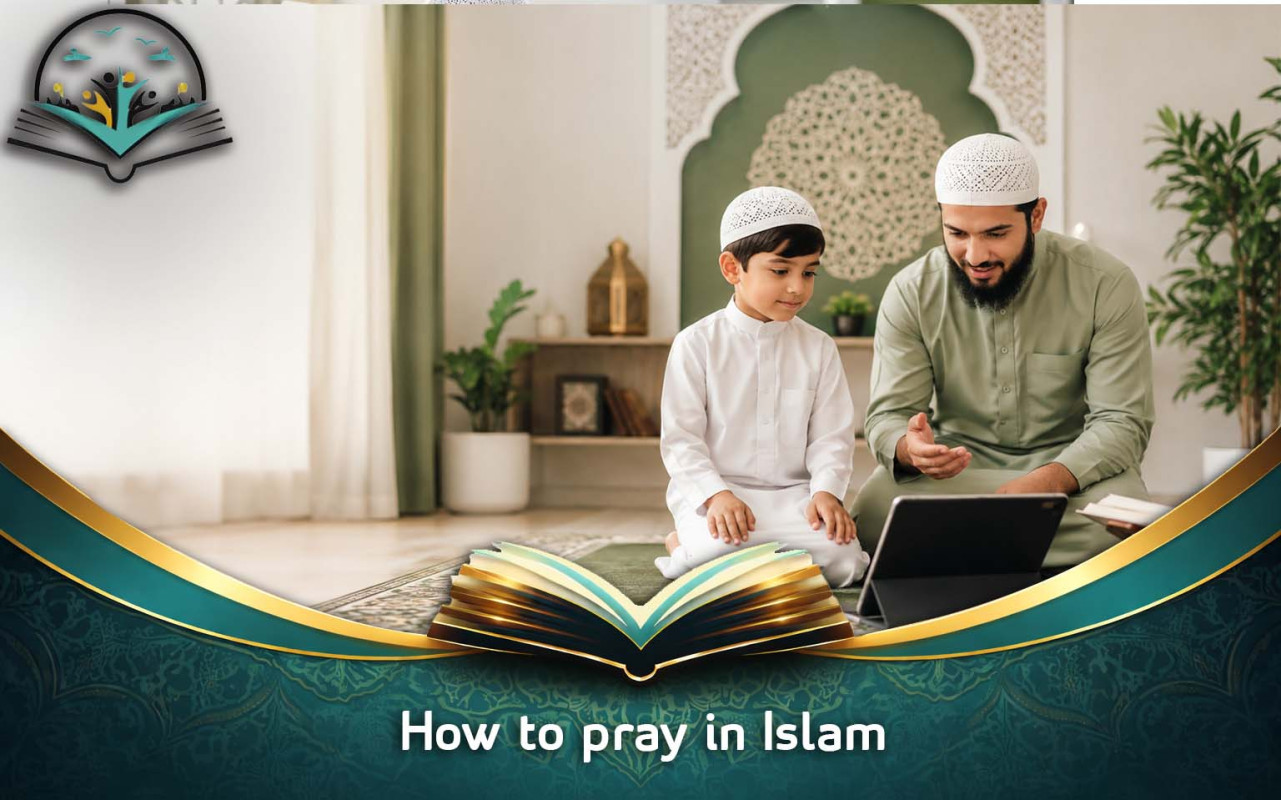
How to pray in Islam correctly is an important step for every Muslim who wants to strengthen faith, improve discipline, and build a deeper relationship with Allah daily. Through Rattel W Artaqi Quran Academy, students receive simple guidance that explains every prayer step clearly while making Islamic learning comfortable for beginners and families worldwide.
Understanding prayer movements, recitation, purification, and concentration allows Muslims to worship confidently without confusion or unnecessary stress during daily practice. Moreover, proper prayer creates emotional peace, strengthens gratitude, and helps believers maintain spiritual balance throughout busy routines and modern responsibilities consistently every day.
Learn How To Pray In Islam
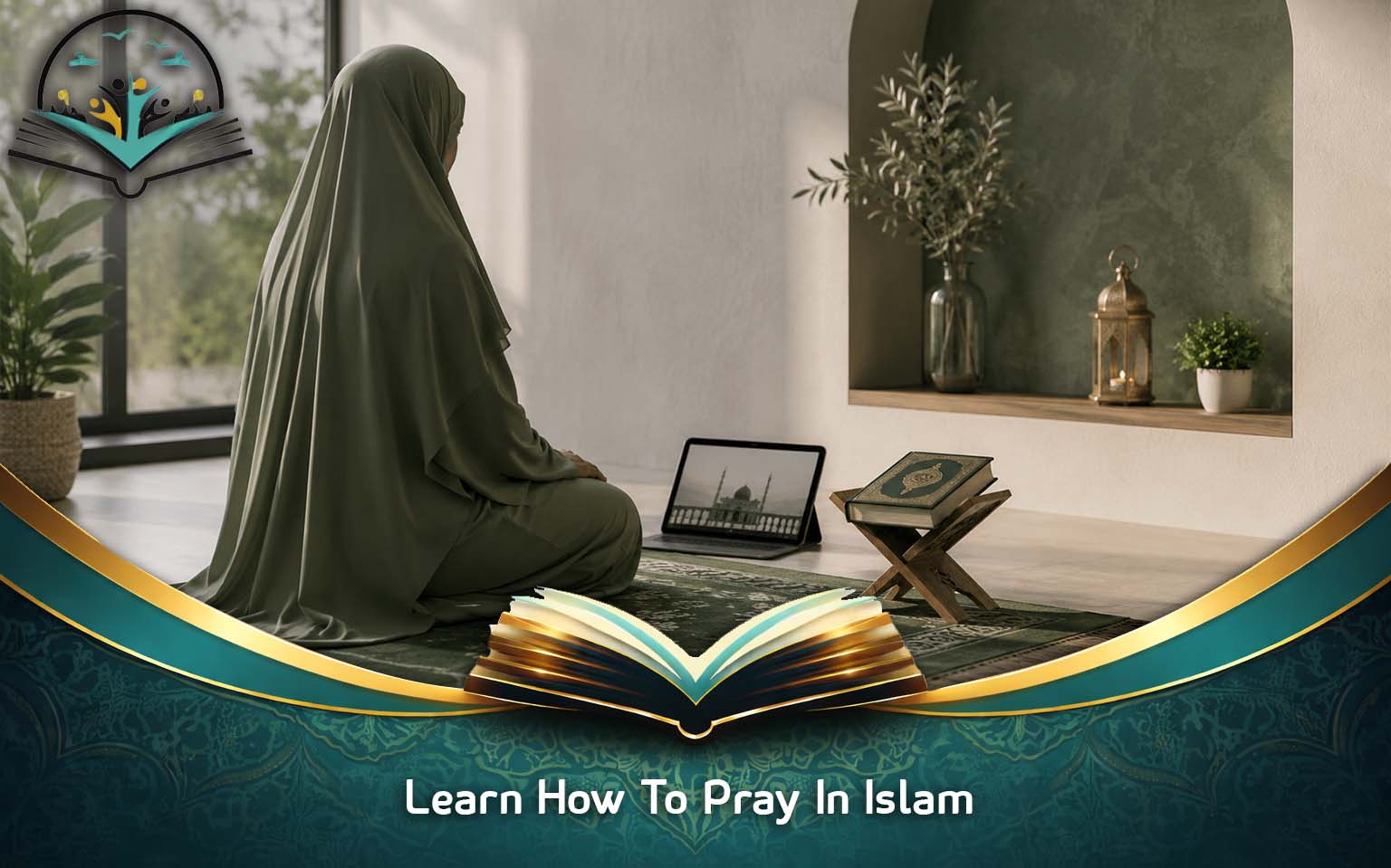
Prayer stands at the center of every Muslim’s daily life because it strengthens faith, builds discipline, and creates a direct connection with Allah throughout every stage of life.
Many beginners search for clear guidance because they want practical explanations without confusing terminology or unnecessary details that make learning difficult. Muslims perform five daily prayers at specific times, and each prayer includes physical movements, Quran recitation, and moments of sincere reflection before Allah.
Understanding the purpose behind prayer helps beginners stay motivated while developing consistency and confidence during worship, and this is one of the important Facts about Islam for learners. Many students begin slowly, then improve naturally through regular practice, supportive learning environments, and patient guidance from trusted teachers.
Rattel W Artaqi Quran Academy helps students understand prayer step by step through structured lessons designed for children, adults, and new Muslims worldwide.
See Also: quran tafsir course online
Start Your Prayer Journey With Trusted Islamic Guidance
Learning prayer becomes easier when students receive patient support, clear explanations, and practical demonstrations that remove confusion from every important worship step completely.
Rattel W Artaqi Quran Academy offers flexible online classes that help beginners improve recitation, memorize prayer words, and understand proper Salah movements confidently.
Students receive guidance from experienced teachers who simplify Islamic learning while maintaining authentic teachings from the Quran and Sunnah in every lesson. The academy also supports busy families by offering convenient schedules, interactive sessions, and personalized learning plans for different student levels.
Many learners begin with small goals, then gradually build stronger habits through regular practice, consistent encouragement, and structured Islamic education online today.

Why Prayer Holds Great Importance In Islam
Muslims consider Salah one of the five pillars of Islam because it strengthens spiritual discipline and reminds believers about their daily responsibilities toward Allah consistently.
Prayer protects the heart from distraction while encouraging patience, gratitude, humility, and stronger awareness of Allah throughout ordinary daily activities everywhere. Every prayer creates moments of peace that help Muslims pause during busy schedules and reconnect with their spiritual purpose sincerely and calmly.
Furthermore, Muslims believe regular worship cleanses the heart from sins while increasing faith, sincerity, and emotional balance during challenging situations and responsibilities.
Beginners often ask how to pray in Islam because they want worship that feels meaningful, organized, and spiritually rewarding from the beginning. Therefore, learning prayer correctly helps Muslims develop confidence while building stronger habits that continue improving throughout adulthood and family life naturally.
Understanding Prayer Times During The Day
Islam organizes daily life around five prayers because worship helps Muslims remain spiritually connected regardless of work, study, travel, or family responsibilities elsewhere.
Fajr begins before sunrise and encourages Muslims to start the day with remembrance, discipline, and peaceful reflection before ordinary activities begin daily. Zuhr occurs after midday and provides believers with a spiritual pause during work schedules, academic responsibilities, and demanding personal obligations regularly.
Asr arrives later during the afternoon and reminds Muslims to remain focused on faith despite physical tiredness or mental distractions throughout busy routines. Maghrib starts immediately after sunset and creates opportunities for gratitude, family connection, and peaceful worship following long productive days everywhere.
Finally, Isha concludes the daily prayer schedule and allows Muslims to end the night with remembrance, reflection, and sincere communication with Allah peacefully. Prayer times change slightly throughout the year because Islamic worship follows the movement of the sun rather than fixed clock schedules internationally.
Read also: What is Ihram
Essential Steps Before Beginning The Prayer
Every beginner should understand several important preparations before learning the physical movements and recitations included within each daily prayer properly and confidently. These preparations create stronger focus while helping students avoid common mistakes that often cause confusion during early Islamic learning experiences everywhere.
- Perform wudu carefully while following the correct washing order taught through authentic Islamic guidance and traditional prophetic practices completely.
- Choose a clean prayer area free from distractions, unnecessary noise, and anything that may interrupt concentration during worship respectfully.
- Wear modest clothing that covers the body properly according to Islamic teachings for both men and women during Salah consistently.
- Face the Qibla correctly because Muslims around the world pray toward the Kaaba located inside Makkah every single day.
- Begin prayer sincerely by making internal intention before saying “Allahu Akbar” and starting the first movement respectfully and calmly.
These simple preparations help beginners feel organized while creating better concentration during prayer and Quran recitation every single day consistently and peacefully.
Learning The Main Movements Of Salah
Muslims begin prayer by standing respectfully and raising their hands while saying “Allahu Akbar,” which means Allah is greater than everything else completely.
After beginning Salah, Muslims place their hands respectfully while reciting Surah Al-Fatihah and additional Quran verses during the standing position calmly. Then worshippers bow respectfully in ruku while praising Allah and maintaining calmness, humility, and spiritual awareness throughout every prayer movement sincerely.
After standing again, Muslims move into sujood, where the forehead touches the ground during moments of complete submission before Allah respectfully.
Sujood represents one of the closest moments between believers and Allah because worshippers demonstrate humility, sincerity, and dependence upon divine mercy completely. Each prayer contains several units called rakats, and every rakat follows similar movements combined with Quran recitation and specific supplications consistently.
Beginners improve steadily through repetition because prayer movements eventually become natural habits practiced comfortably without confusion or unnecessary stress during worship daily.
Helpful Habits That Improve Prayer Consistency
Building consistency requires realistic habits because sustainable worship grows gradually through repetition, planning, and sincere commitment rather than temporary emotional motivation alone consistently. Beginners should create simple routines that support prayer while reducing distractions that interfere with concentration and spiritual focus throughout busy daily responsibilities.
- Set reminders before each prayer time to avoid delays caused by work schedules or household responsibilities during ordinary daily routines.
- Practice short Quran chapters repeatedly because repetition improves pronunciation, memorization, and confidence during every prayer gradually and naturally.
- Pray immediately after hearing the Adhan whenever possible because delaying prayer often weakens consistency and concentration during worship significantly.
- Learn meanings of common Arabic phrases because understanding recitation increases emotional connection and spiritual awareness during Salah sincerely.
- Join supportive Islamic classes that provide accountability, guidance, and encouragement throughout the learning process for beginners consistently and positively.
These habits help students remain disciplined while creating stronger emotional connections with worship, Quran recitation, and regular Islamic practice throughout daily life naturally.
Read More: aqidah classes for beginners
Mistakes Beginners Should Avoid During Prayer
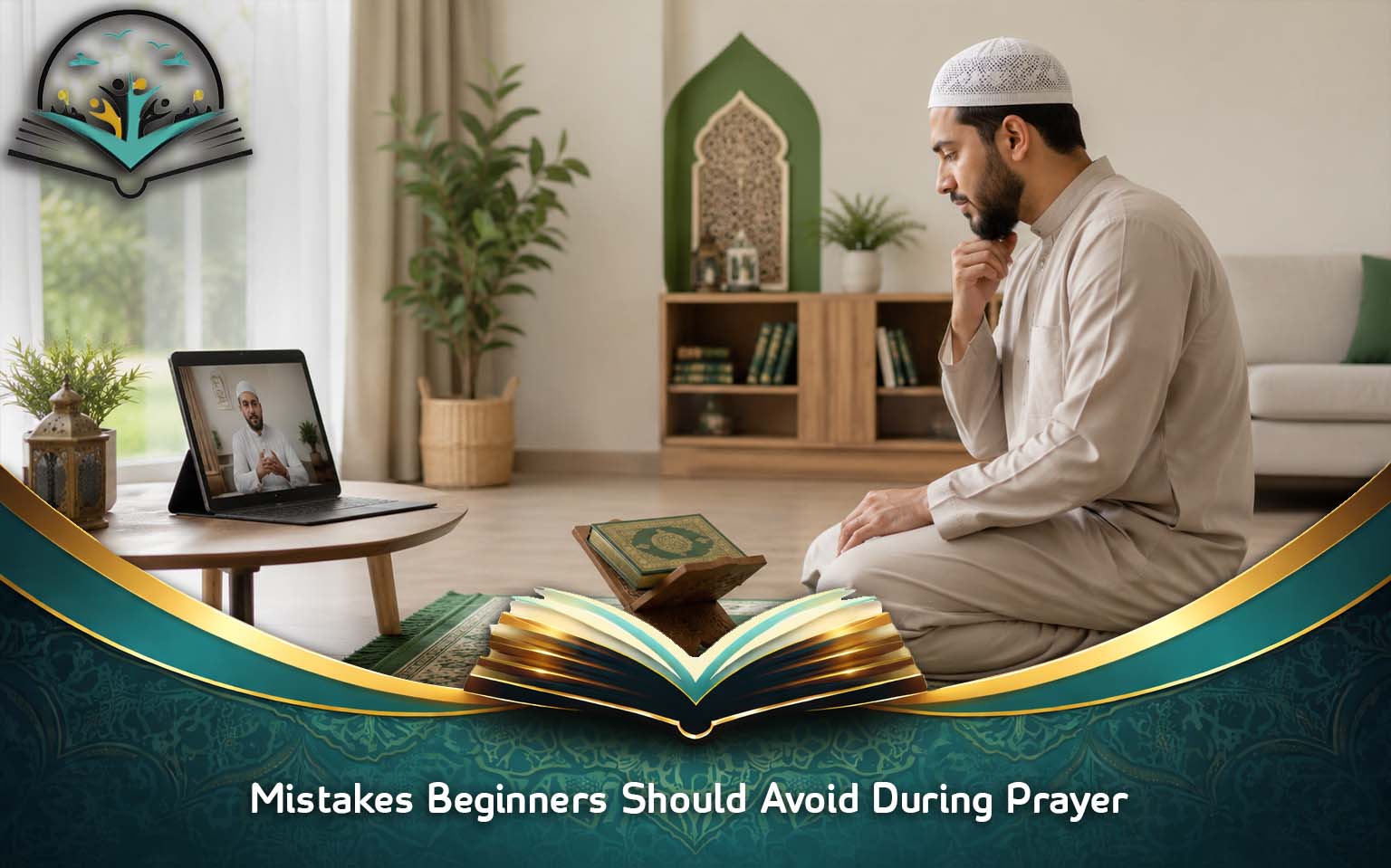
New Muslims and beginners sometimes rush through prayer because nervousness causes mistakes that reduce concentration and proper understanding during worship regularly and unnecessarily.
Some learners focus only on memorization while ignoring meanings, which weakens emotional connection and reduces spiritual awareness during daily Salah significantly.
Others delay prayer repeatedly because they believe perfect pronunciation must happen before beginning regular worship consistently and sincerely every single day.
Islam encourages continuous improvement because sincere effort matters greatly even when students still make small pronunciation or memorization mistakes occasionally during learning.
Additionally, beginners should avoid comparing progress with others because every student learns at different speeds depending upon personal experience and practice habits.
Rattel W Artaqi Quran Academy encourages balanced learning methods that combine memorization, understanding, pronunciation improvement, and spiritual development for stronger Islamic growth completely.
With patience and structured guidance, beginners gradually develop confidence while building meaningful prayer routines that strengthen faith throughout everyday life naturally.
Frequently Asked Questions
Many beginners have additional questions about prayer because learning Salah involves spiritual, practical, and emotional adjustments during the early stages of Islamic worship. The following answers explain important topics that were not discussed earlier while helping new learners develop stronger confidence and understanding during prayer practice.
Can Muslims pray while sitting if standing feels difficult?
Yes, Islam allows Muslims to pray while sitting whenever illness, weakness, injury, or physical limitations make standing difficult during Salah comfortably and safely.
Islam values sincerity and effort while protecting people from unnecessary hardship. Therefore, Muslims should worship according to their physical ability without feeling guilt or embarrassment during prayer.
Should beginners memorize every Arabic prayer immediately?
No, beginners should learn gradually because memorizing everything immediately often creates stress and discouragement during the learning process unnecessarily and emotionally.
Many teachers recommend starting with short chapters and essential phrases first. Consistent daily practice helps students improve naturally while building stronger confidence and clearer pronunciation over time.
Is praying inside a mosque required for every Muslim?
Men receive greater rewards for praying inside mosques regularly, especially during congregational prayers with other Muslims within the community respectfully and consistently.
However, Islam allows Muslims to pray at home, work, school, or other clean places whenever necessary. Women may also pray comfortably at home while maintaining full spiritual rewards and sincere worship.
In conclusion, learning how to pray correctly gives Muslims confidence, spiritual peace, and stronger connection with Allah through consistent daily worship sincerely.
Rattel W Artaqi Quran Academy helps beginners understand every essential prayer step using simple explanations, supportive lessons, and practical Islamic guidance designed carefully for modern learners worldwide.
When believers improve focus, pronunciation, and understanding during Salah, they develop stronger discipline and greater appreciation for Islamic teachings throughout everyday life naturally.
Through Kids Islamic education , consistent practice, patience, and sincere intention enable students to progress steadily while developing lifelong habits that strengthen faith, character, gratitude, and emotional and spiritual stability.
Read also: aqidah classes for beginners
Add New Comment