 العربية
 English

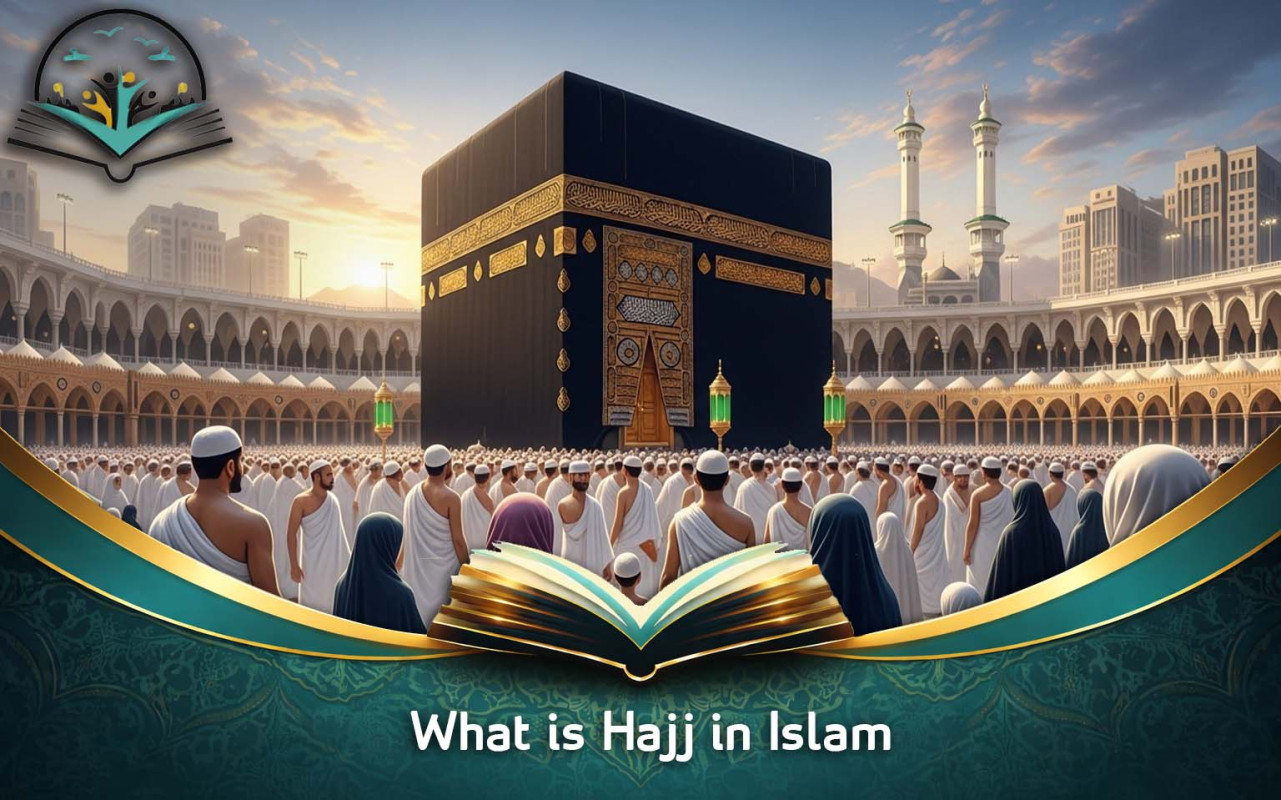
Hajj is one of the most important pillars of Islam and holds deep spiritual meaning for Muslims worldwide. It is an annual pilgrimage to Makkah that every adult Muslim must perform at least once if they are physically and financially able.
Understanding What Is Hajj In Islam helps believers connect with the purpose of worship, unity, and obedience to Allah. This sacred journey includes specific rituals that reflect submission, patience, and equality among all Muslims regardless of background, status, or nationality.
It reminds Muslims of the story of Prophet Ibrahim and strengthens faith through devotion, prayer, and reflection on life’s purpose.
Complete Guide for Muslims
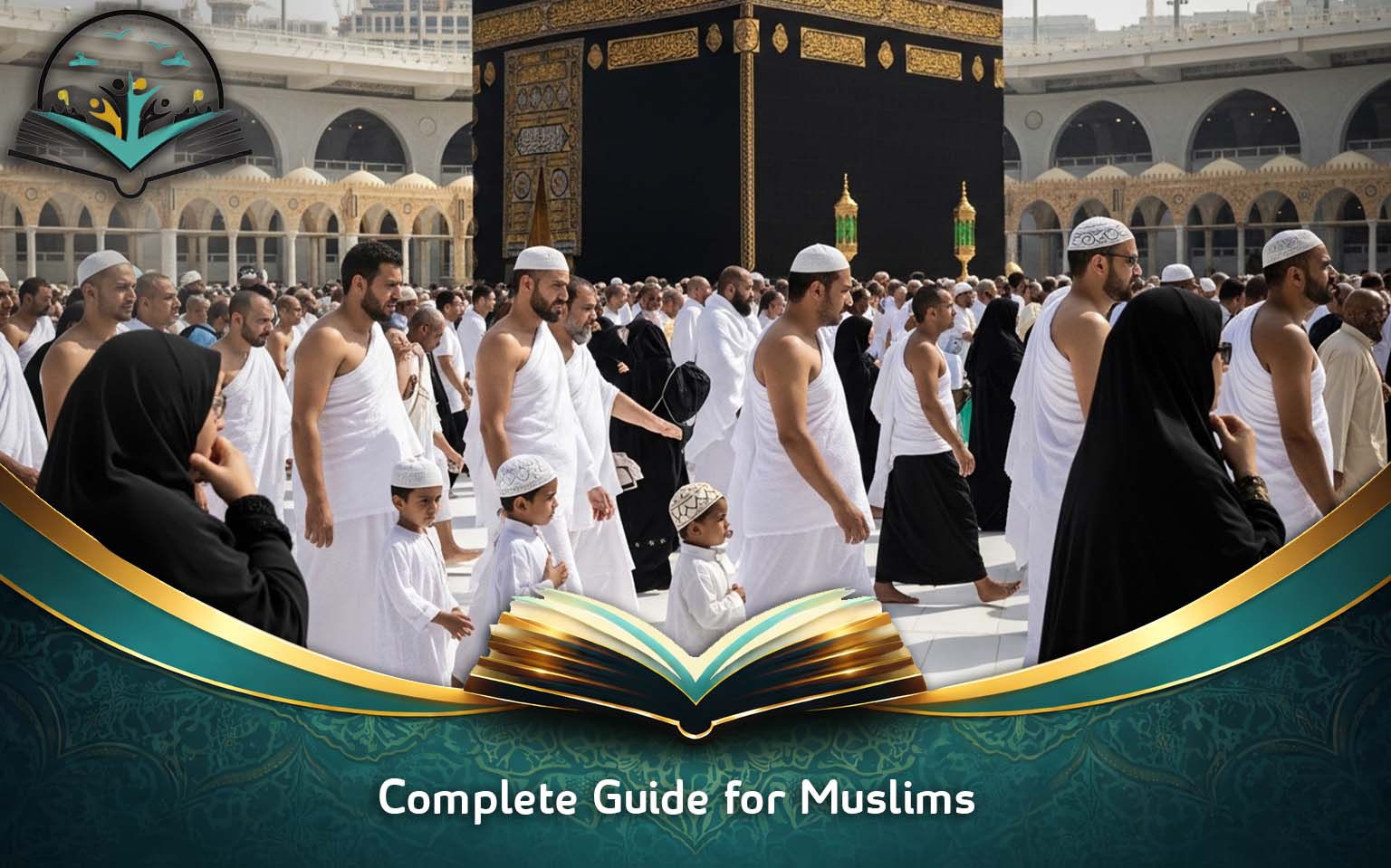
Hajj is one of the most important acts of worship in Islam and represents obedience, unity, and deep spiritual devotion to Allah. It is a sacred pilgrimage that every Muslim must perform at least once in life if they are physically and financially able.
Understanding What Is Hajj In Islam helps believers connect with its meaning, rituals, and spiritual purpose. Millions of Muslims gather in Makkah each year to perform this journey with humility and faith. It strengthens belief, removes sins, and builds a strong sense of equality among Muslims from all backgrounds and cultures.
Rattel W Artaqi Quran Academy provides structured Islamic learning that helps students understand the meaning and wisdom behind Hajj in a simple way. The academy focuses on clear teaching that supports both beginners and advanced learners.
It explains rituals, spiritual lessons, and historical background in an easy and practical format. Students gain strong awareness of Islamic practices and improve their understanding of worship.
This approach helps learners build a deeper connection with their faith and prepares them to appreciate the importance of Hajj in Islam.
Begin Your Spiritual Journey With Trusted Quran Guidance
Take the next step toward deeper Quran understanding with Rattel W Artaqi Quran Academy and start learning with confidence today. Our experienced teachers provide supportive online classes designed for children, adults, and beginners who want to improve recitation, Tajweed, and Islamic knowledge.
We focus on clear explanations, flexible schedules, and practical learning that fits your daily life. Join our academy now and build a stronger connection with the Holy Quran through engaging lessons that inspire spiritual growth, discipline, and lasting faith for every student.
Meaning and Importance of Hajj in Islam
Hajj is the fifth pillar of Islam and holds a unique position among all acts of worship. It represents complete submission to Allah and reminds Muslims of their ultimate purpose in life. Every ritual performed during Hajj carries deep spiritual meaning and reflects obedience and sacrifice.
Muslims from different countries gather in one place, wearing simple clothing that removes social and economic differences. This creates a powerful image of unity and equality. Everyone stands together before Allah without status or distinction, focusing only on faith and devotion.
Rattel W Artaqi Quran Academy explains these concepts in a structured way that helps learners understand the spiritual depth of Hajj. For students who study Quran online, this approach provides deeper insight into the values reflected in the pilgrimage. The academy highlights how Hajj strengthens discipline, patience, and sincerity in worship.
Who Must Perform Hajj and Why It Matters
Hajj becomes obligatory only for Muslims who are physically healthy and financially capable. This condition ensures that worship remains balanced and does not cause hardship. Islam emphasizes ease and mercy in all acts of worship.
Pilgrims must also be mentally prepared for this journey. Hajj requires patience, endurance, and strong intention. It is not only a physical journey but also a deep spiritual transformation.
The phrase What Is Hajj In Islam is often asked by learners who want to understand its purpose clearly. The answer lies in obedience to Allah and following the example of the Prophet Ibrahim and the Prophet Muhammad.
Rattel W Artaqi Quran Academy guides students through these meanings with clear explanations and structured lessons. The academy ensures that learners understand both the rules and the wisdom behind them. Master Quran with Tajweed course to improve your recitation, pronunciation, and understanding of every Quranic verse
Purpose and Spiritual Value of Hajj
The main purpose of Hajj is to seek forgiveness from Allah and start a new spiritual life. It allows Muslims to purify their hearts from sins and strengthen their relationship with their Creator. This journey teaches humility and complete submission.
Prophet Muhammad ﷺ explained that a successful Hajj removes past sins and brings a fresh start for believers. This promise motivates millions of Muslims to perform it with sincerity and devotion.
Rattel W Artaqi Quran Academy emphasizes the spiritual value of Hajj through simplified teachings. Students learn how each ritual connects to faith, patience, and obedience in daily life.
Read also: Madani Qaida
When Hajj Takes Place and Its Timeline
Hajj takes place every year during the Islamic month of Dhul Hijjah. This month holds special importance in Islam due to its sacred days and spiritual rewards. Millions of Muslims travel to Makkah during this time to perform rituals together.
The pilgrimage lasts several days and includes specific stages such as standing at Arafah, spending nights in Mina, and performing Tawaf. Each step has a unique meaning and teaches important lessons about faith and discipline.
Rattel W Artaqi Quran Academy helps students understand this timeline in a simple and organized way through its Islamic studies for kids course. The academy explains each stage clearly, allowing learners to visualize the journey with confidence and develop a deeper understanding of the subject step by step.
Key Rituals of Hajj Step by Step
Hajj consists of several rituals that must be performed in a specific order. These acts represent submission, patience, and remembrance of Allah. Each ritual carries historical and spiritual significance.
• Entering Ihram and setting the intention for Hajj
• Performing Tawaf around the Kaaba seven times
• Walking between Safa and Marwa hills
• Standing at Mount Arafah for prayer and forgiveness
• Stoning the pillars symbolizing rejection of evil
These rituals create a powerful spiritual experience for every pilgrim. They remind Muslims of Prophet Ibrahim’s devotion and trials.
Rattel W Artaqi Quran Academy explains each step in detail to help learners understand its meaning. This structured learning makes the pilgrimage easier to comprehend and appreciate.Learn Arabic Online with experienced native instructors and interactive lessons designed for beginners and advanced students
Spiritual Lessons From Hajj
Hajj teaches Muslims important values that remain with them after the journey ends. It builds patience through physical effort and emotional discipline. It also strengthens humility by removing worldly differences among pilgrims.
The experience reminds believers that life is temporary and the afterlife is the true goal. This understanding encourages Muslims to live with honesty, kindness, and stronger faith.
Rattel W Artaqi Quran Academy highlights these lessons in its educational programs. The academy ensures students connect spiritual values with real-life behavior and actions.
Difference Between Hajj and Umrah
Hajj and Umrah are both sacred journeys, but they are not the same. Hajj is mandatory once in a lifetime, while Umrah is voluntary. Hajj also has specific dates, while Umrah can be performed any time.
Hajj includes more rituals and takes several days to complete. Umrah is shorter and simpler in structure. Both journeys bring spiritual rewards and strengthen faith.
Learners who ask What Is Hajj In Islam often compare it with Umrah to understand the difference clearly. This comparison helps build stronger religious awareness. Understand how to perform Umrah by following the correct Islamic steps, essential supplications, and important pilgrimage guidelines
Preparation for Hajj Journey
Preparing for Hajj requires both physical and spiritual readiness. Pilgrims walk long distances and perform demanding rituals. Therefore, physical preparation helps them complete the journey with strength and patience.
Spiritual preparation is equally important. Muslims increase prayers, seek forgiveness, and strengthen their connection with Allah before traveling. This ensures a focused and meaningful pilgrimage experience.
Rattel W Artaqi Quran Academy guides learners on how to prepare properly for this sacred journey. The academy emphasizes balance between body, mind, and soul.
Historical Importance of Hajj
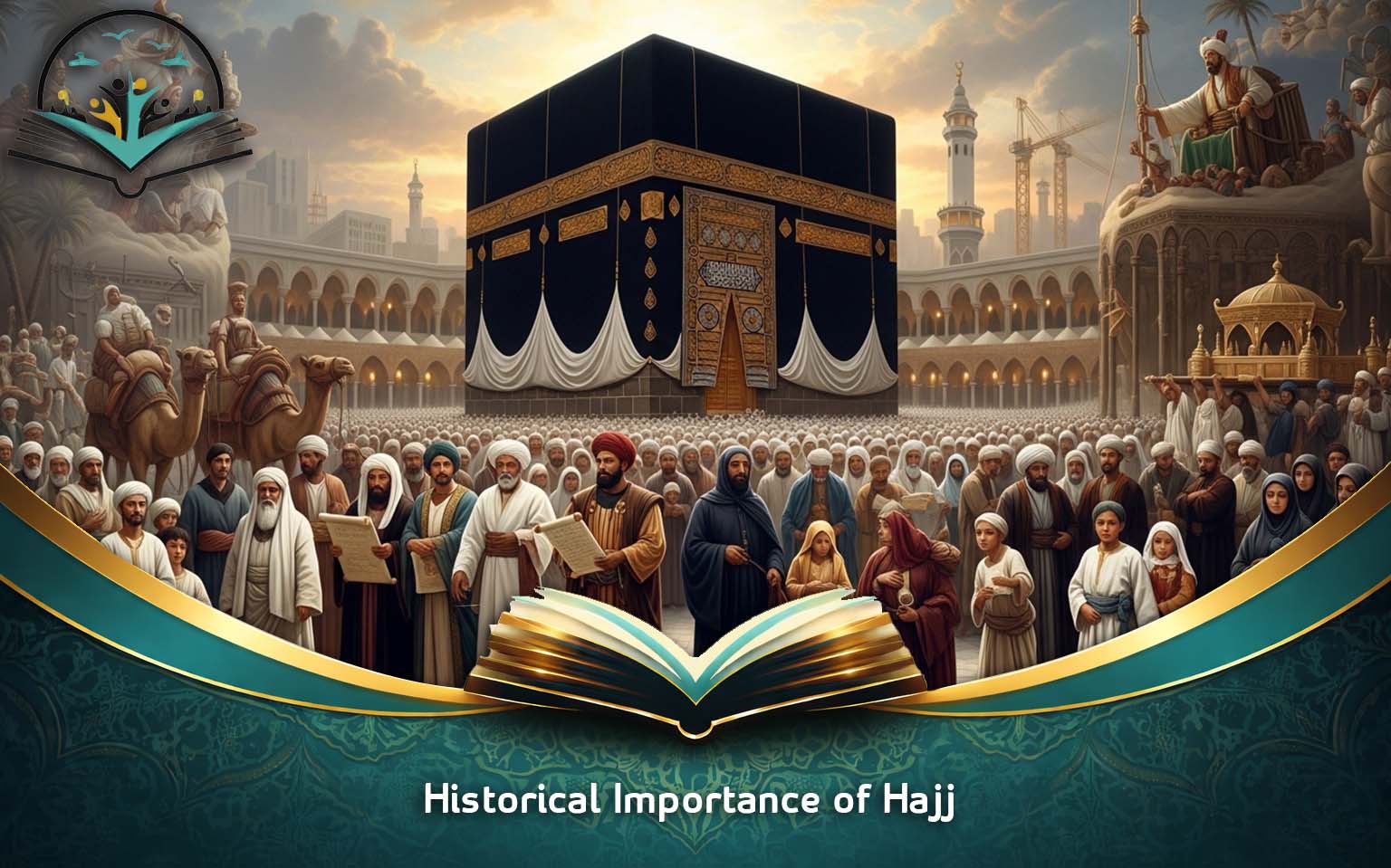
The origins of Hajj go back to Prophet Ibrahim and his devotion to Allah. He built the Kaaba and established rituals that are still followed today. Later, Prophet Muhammad ﷺ restored these traditions and guided Muslims in performing Hajj correctly.
This historical connection makes Hajj a timeless act of worship. It links Muslims across generations and strengthens their faith through shared tradition.
Rattel W Artaqi Quran Academy teaches this history in a simple way that helps students understand the roots of Islamic practices.
Frequently Asked Questions
Many learners seek deeper clarity about Hajj, its rules, and its spiritual outcomes. These questions help build better understanding and awareness.
1. Why is Hajj considered a pillar of Islam?
Hajj is a pillar because it is a mandatory act of worship for capable Muslims. It represents complete submission to Allah and reflects unity, discipline, and spiritual purification. It also strengthens faith through shared worship.
2. Can someone perform Hajj more than once?
Yes, Muslims can perform Hajj more than once if they are able. However, the obligation is fulfilled after the first performance. Additional Hajj journeys bring extra spiritual reward and deeper connection with faith.
3. What is the biggest spiritual lesson from Hajj?
The biggest lesson is equality before Allah and the importance of humility. All pilgrims wear simple clothing and stand together regardless of status. This teaches that true honor comes from faith and righteousness, not wealth or position.
In conclusion, Hajj is not only a physical journey but also a powerful spiritual transformation that purifies the heart and strengthens faith, reflecting many facts about islam such as patience, humility, and complete submission to Allah’s will.In conclusion, Hajj is not only a physical journey but also a powerful spiritual transformation that purifies the heart and strengthens faith. It teaches patience, humility, and complete submission to Allah’s will.
When Muslims perform Hajj, they experience unity with millions of believers gathered in one place with one purpose, and this same sense of shared learning is often reinforced in religious education through a Female Quran tutor who guides students with clarity and care. The pilgrimage removes social differences and reminds everyone of equality before Allah.
Learning What Is Hajj In Islam helps deepen understanding of Islamic values and encourages Muslims to live with greater awareness, discipline, and sincerity in their daily lives after returning from this blessed pilgrimage.
Add New Comment