 العربية
 English

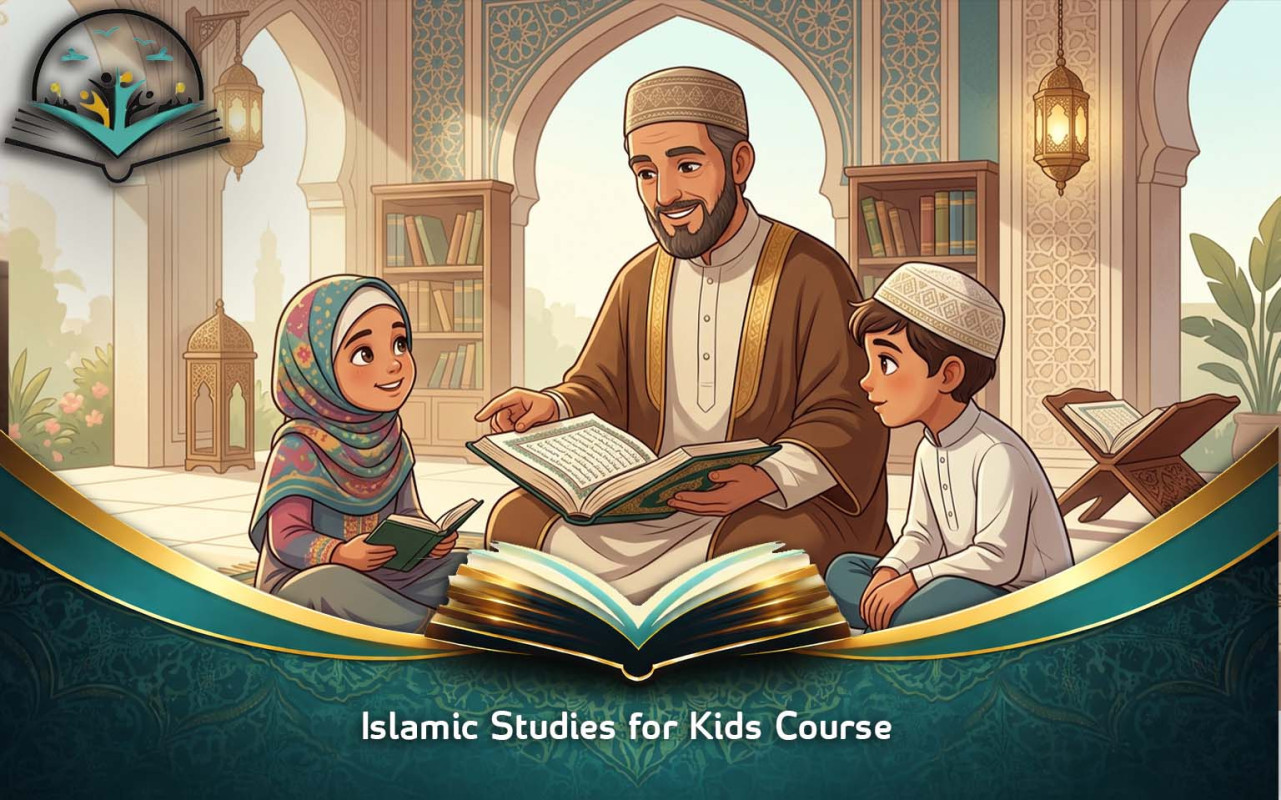
Islamic studies for kids course helps children understand Islamic belief, worship, manners, and daily life, while Rattel Wartaqi Quran Academy presents every lesson in a simple child-friendly way.
Parents often want more than Quran reading; they want their children to know why Islam matters and how to practice it correctly. This course can cover topics such as Allah, prophets, prayer, good character, halal habits, and respect for family.
When lessons are age-appropriate, children learn without feeling confused or overwhelmed. Online Islamic studies also give families flexibility and structure. A clear course helps young Muslims build knowledge, faith, and confidence online.
Why Early Faith Learning Matters Today
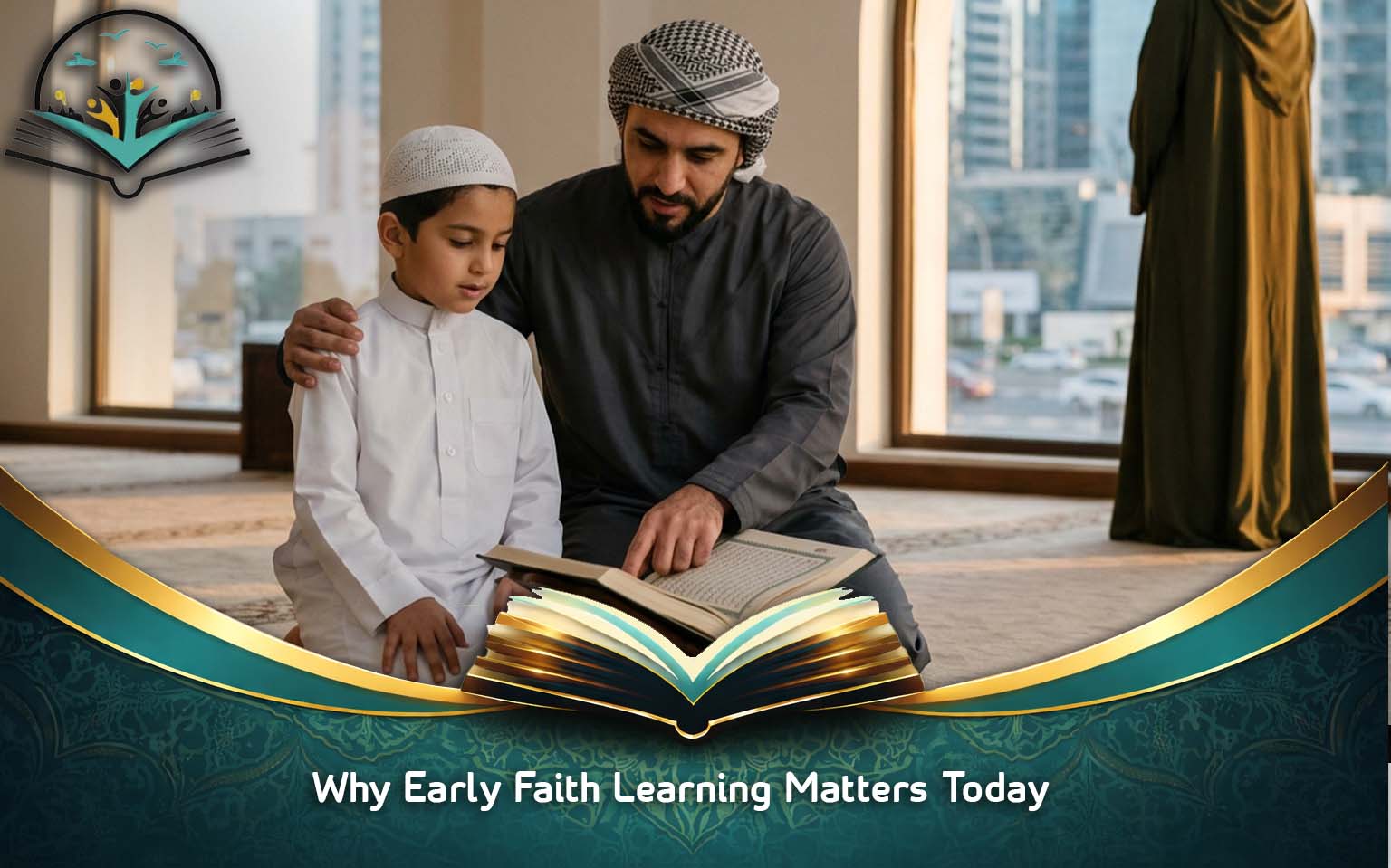
Children learn from what they hear, see, repeat, and feel. Because of this, early Islamic learning shapes more than memory. It shapes identity, manners, and emotional security. When a child hears about Allah’s mercy, the Prophet’s kindness, and the beauty of prayer, faith becomes familiar instead of distant.
However, parents should not begin with pressure. Young children need love before detailed rules. They need simple stories, warm conversations, and small habits they can practice. For example, saying Bismillah before food can become a joyful routine. Saying Alhamdulillah after a blessing can teach gratitude without a lecture.
Moreover, early learning helps children face confusion later. A child who understands basic belief can answer simple questions from friends or school. This builds confidence. It also helps the child feel proud of being Muslim without becoming harsh toward others.
Islamic learning should feel like guidance for life. Therefore, children should see Islam in kindness, honesty, sharing, prayer, and respect at home.
Build Your Child’s Islamic Foundation Today
Give your child a clear, enjoyable, and age-appropriate way to learn Islam with Rattel Wartaqi Quran Academy. Our structured Islamic studies lessons help children understand faith, Quran values, Prophet stories, manners, worship, and daily Islamic habits in a simple and engaging way.
Book a free trial class today and help your child grow with stronger faith, better character, and confident Islamic knowledge.
What Children Should Learn First At Home
The first stage should stay simple. Children need to know Allah created them, loves goodness, and guides people through His message. They should learn that Islam teaches worship, kindness, patience, respect, and responsibility. These ideas create the base for later study.
At Rattel Wartaqi Quran Academy, early lessons can begin with the most important foundations before moving into deeper topics. This approach helps children feel secure because each idea builds on the previous one. As a result, they do not feel lost.
Parents can support this stage by using short daily reminders. A child can learn one name of Allah, one dua, one manners lesson, or one short story each week. Then the family can connect it to real life.
In Islamic classes for kids , everyday actions are used to teach core values in a practical way. For instance, when a child tells the truth, parents or teachers can link it to the idea that Allah loves honesty. When a child shares a toy, it is connected to the concept of generosity. This approach helps children understand faith through real-life experiences rather than abstract ideas.
Read also: What is Hajj in Islam
Core Topics Every Child Should Understand
A complete Islamic program should cover the main subjects without making children feel overwhelmed. The goal is not to finish many chapters quickly. Rather, the goal is to build steady understanding, sincere love, and better behavior. The right course should include belief, worship, Quran, Seerah, manners, and simple Islamic history.
Children usually benefit from these core areas:
- Belief in Allah, angels, books, prophets, the Last Day, and divine wisdom through simple explanations.
- Stories of the prophets that teach courage, truthfulness, patience, trust, repentance, and obedience to Allah.
- The Five Pillars of Islam explained through practical examples, visual activities, and daily reminders.
- Quran learning, short surahs, basic meanings, duas, manners, and lessons from the life of Prophet Muhammad.
These topics become more effective when taught through variety and repetition. In many islamic courses online, children may listen to a story one week, then draw, answer questions, or act out a scene the next. This approach keeps lessons engaging while helping important Islamic values stay clear and memorable without making repetition feel boring.
Stories Make Islamic Values Memorable For Children
Stories are one of the strongest ways to teach children. A child may forget a definition, but remember Prophet Nuh’s patience, Prophet Musa’s courage, or Prophet Ibrahim’s trust in Allah. Stories give values a face, a situation, and an emotional lesson.
However, storytelling should not become entertainment only. After each story, children need one clear takeaway. What did the prophet do? What choice was right? How can we practice that lesson today? These simple questions help children connect the story to their own lives.
For younger children, stories should be short and vivid. For older children, teachers can add more context and reflection. This keeps learning age-appropriate.
Through Female Quran teacher online , stories help children understand that faith includes challenges. Prophets experienced fear, rejection, loss, and difficulty, yet they remained connected to Allah. This shows children that Islam is a source of strength and guidance. It also teaches that righteous people may go through hardship, but can still choose patience and trust.
Worship Lessons Need Gentle Daily Practice
Children should learn worship through meaning and routine. Prayer, fasting, charity, and dua should not feel like heavy tasks. Instead, they should feel like ways to remember Allah and grow as a better person. This is why gentle practice matters.
For prayer, children can first learn that Muslims speak to Allah through salah. Then they can learn wudu, prayer times, short surahs, and basic movements. Parents should encourage participation without turning every mistake into a problem.
Ramadan can also be introduced with care. Young children may not fast fully, but they can learn generosity, patience, Quran listening, and family worship. They can help prepare iftar, give small charity, or make a Ramadan chart.
Rattel Wartaqi Quran Academy can guide children through these lessons step by step. The aim is not only correct performance. It is also love, understanding, and consistency. When worship grows naturally, children feel more connected and less pressured.
Manners Turn Knowledge Into Real Character
Islamic learning becomes meaningful when children practice it in their behavior. A child may know facts about prayer or prophets, but manners show whether the lesson reached the heart. Therefore, character should sit at the center of Islamic education.
Honesty, respect for parents, kindness to siblings, mercy toward animals, and care for neighbors are all Islamic lessons. Children should hear these values often, but they also need examples. If a child apologizes, praise that action. If a child shares, connect it to generosity. If a child controls anger, mention patience.
This approach helps children see Islam in normal moments. It also prevents Islamic education from becoming separate from daily life.
Moreover, children naturally imitate adults, which is why families who want their kids to learn Islam basics should focus on daily behavior as much as formal lessons. Parents who pray regularly, speak kindly, forgive others, and tell the truth teach values more effectively than any worksheet. While teachers also play an important role, the home environment has a lasting influence, and children absorb Islamic manners more naturally when they consistently see them practiced around them.
Activities That Keep Young Learners Engaged
Children learn best when lessons involve movement, color, sound, and interaction. Long lectures rarely work, especially for younger learners. Therefore, a strong program should mix stories, questions, crafts, recitation, games, and short reflections.
Useful learning activities may include:
- Prophet story cards, matching games, simple quizzes, and short role-play activities after each story.
- Five Pillars posters, Ramadan calendars, sadaqah jars, and child-friendly prayer routine charts.
- Quran listening practice, short surah repetition, Arabic letter games, and meaning-based discussion.
- Family reflection time where children explain one lesson they learned and how they can apply it.
These activities do not need to be complicated. A simple drawing after a story can help memory. A short quiz can make review enjoyable. Moreover, a small reward can motivate effort without making learning only about prizes.
Rattel Wartaqi Quran Academy uses structured teaching so children stay engaged while still learning real content. Fun should support knowledge, not replace it.
Age Based Learning For Muslim Children
Children at different ages need different teaching styles. A toddler cannot learn like a ten-year-old, and a teenager needs more thoughtful discussion than a young child. Therefore, Islamic lessons should match maturity, attention span, and language level.
For ages two to four, learning should stay light. Children can hear short duas, names of Allah, simple manners, and stories about kindness. They may color mosques, repeat Bismillah, or listen to short surahs.
For ages five to seven, children can learn prophet stories, basic beliefs, short surahs, and simple prayer habits. They enjoy visual tools, songs, games, and repeated routines.
For ages eight and above, lessons can become deeper. Children can discuss meanings, write reflections, learn more Seerah, and understand why Muslims pray, fast, and give charity.
At Rattel Wartaqi Quran Academy, age-based learning helps children move forward without confusion. This matters because children grow best when the lesson feels reachable, not too easy or too advanced.
Parents And Teachers Working Together Daily
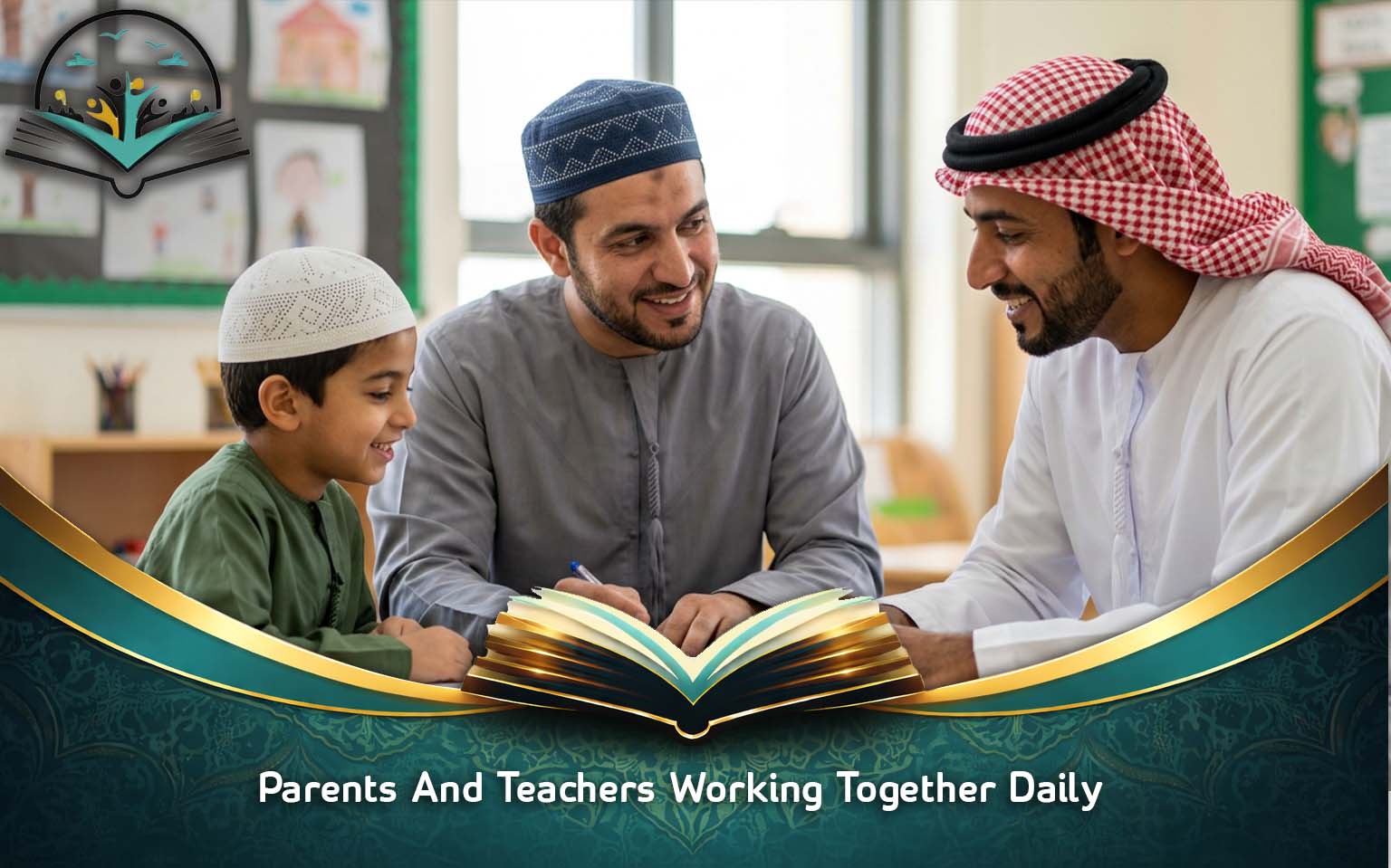
Parents and teachers both shape a child’s Islamic learning. A teacher may explain lessons beautifully, but parents help those lessons live at home. Therefore, cooperation is essential. When both sides work together, children progress faster and feel more supported.
Parents should ask what their child learned and review it gently. They can repeat one dua before sleep, discuss one story during dinner, or practice one manner during the week. These small steps make online learning more effective.
Teachers should also communicate clearly. Parents need to know the child’s level, strengths, weak areas, and next steps. Without feedback, families may not understand progress.
Moreover, children feel more motivated when adults show interest. A simple question such as “What did you learn today?” can make a child feel proud. Over time, this builds confidence.
The best learning environment does not depend only on class time. It grows through home practice, teacher
In conclusion, islamic studies for kids course is important for building a complete Islamic foundation beyond basic memorization. Children need to understand belief, worship, character, and practical manners in a way that matches their age and daily life.
A structured program with a quran tutor online UK helps children understand who Allah is, why prayer is important, how to respect others, and how to live according to Islamic values. Online learning also makes this education more accessible for modern families, especially when lessons are organized and engaging.
With steady guidance, kids become more confident in their faith, more aware of their responsibilities, and more connected to Islamic teachings for life.
Ready to start? Explore our Islamic Studies Course for a well-rounded foundation in faith and practice.
Add New Comment