 العربية
 English

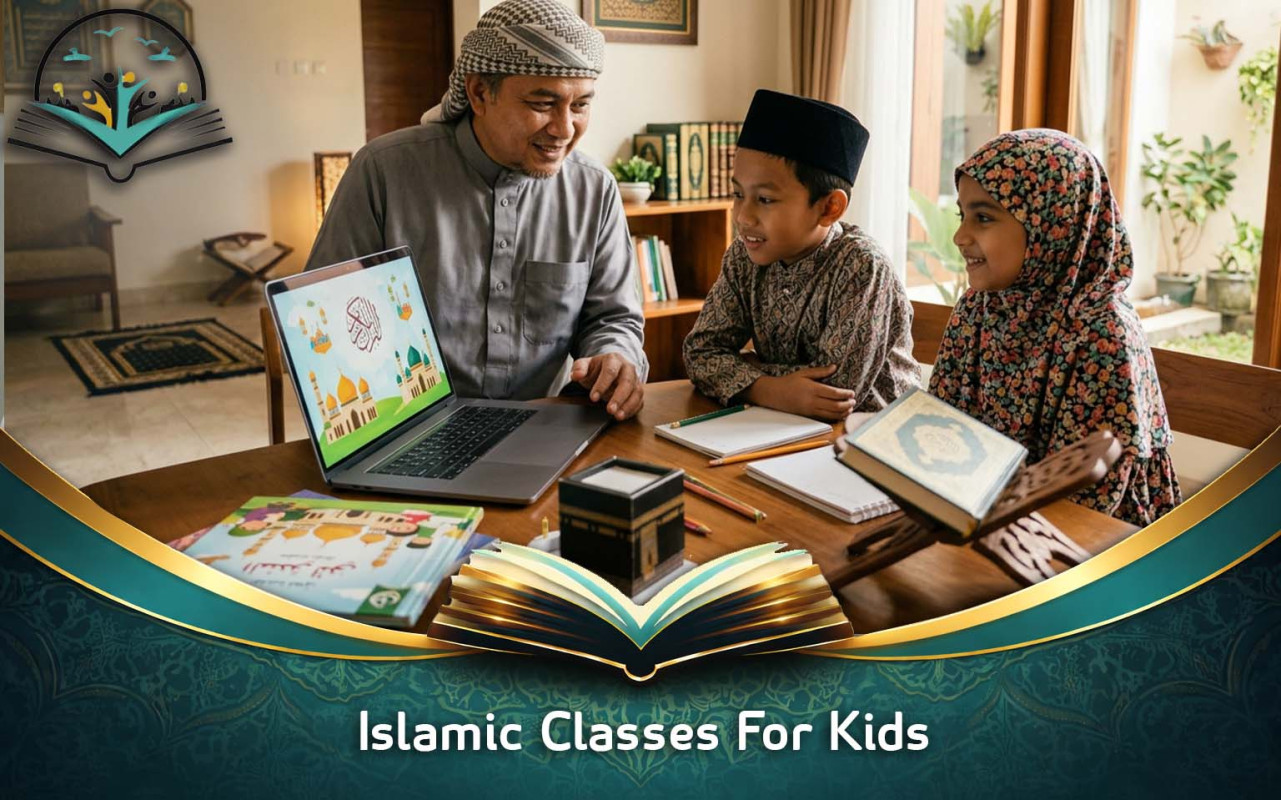
Islamic Classes For Kids at Rattel W Artaqi Quran Academy provide a structured and engaging way for children to learn the foundations of Islam in a simple and enjoyable learning environment.
These classes focus on building strong faith, correct understanding, and good manners from an early age. Children learn about Allah, the Prophet Muhammad, peace be upon him, and essential Islamic values through interactive lessons designed for young minds.
The academy ensures that learning remains fun, clear, and effective so that children stay motivated and connected to their religion while developing strong moral character and positive behavior in daily life.
Islamic Classes For Kids: Complete Beginner Guide
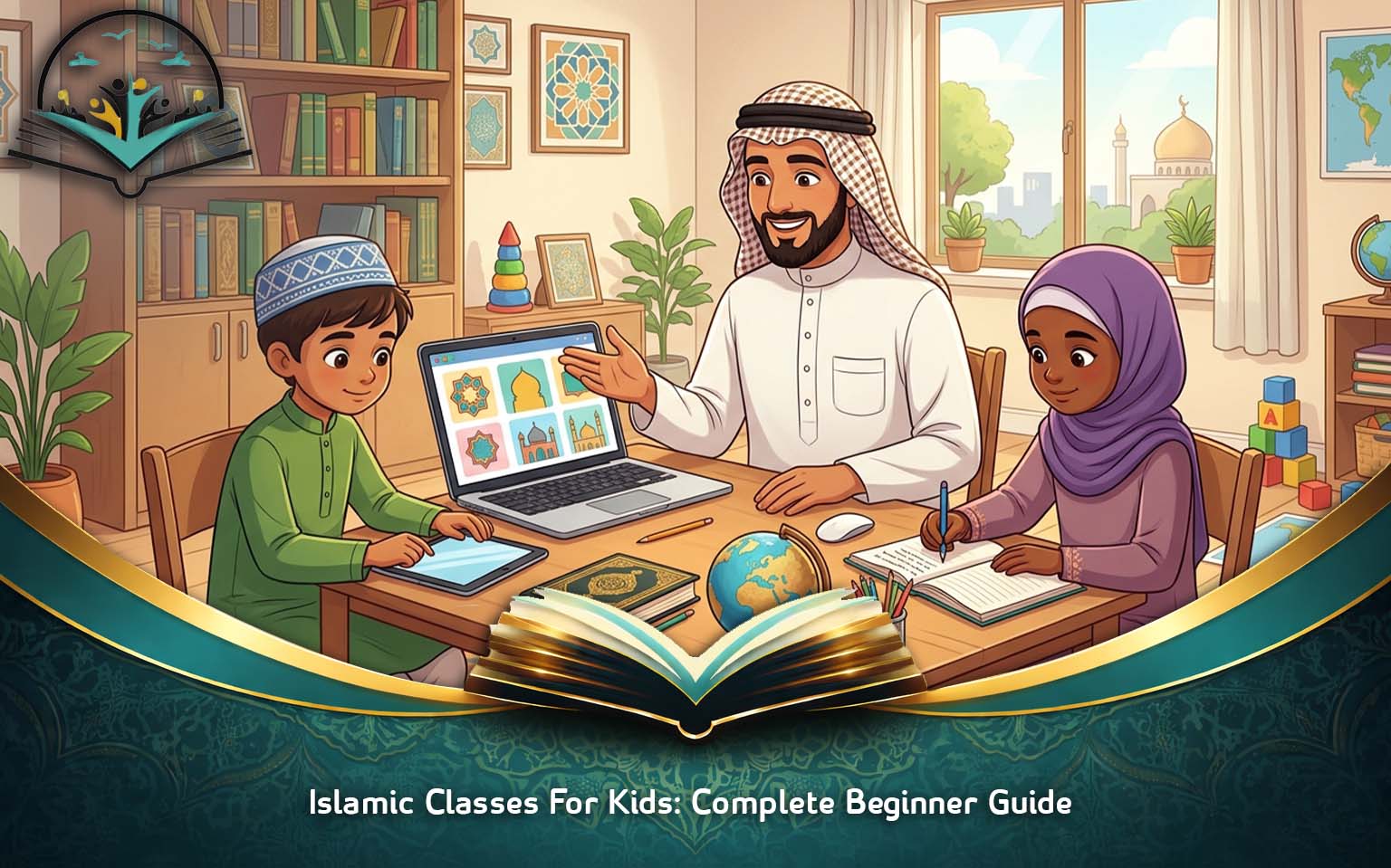
Islamic education for children builds faith, identity, and strong moral character from an early age. It shapes how kids understand Allah, the Prophet Muhammad peace be upon him, and the purpose of life. Therefore, parents need structured learning that delivers knowledge in a simple and engaging way.
At Rattel W Artaqi Quran Academy students receive a clear educational path designed specifically for young learners. This approach ensures children learn Islam step by step while enjoying the process and staying motivated throughout their journey.
Children absorb values faster during early childhood, especially between ages three and twelve. Moreover, they develop habits, beliefs, and emotional responses during this stage of growth. As a result, early Islamic education plays a crucial role in shaping long-term identity and behavior.
In addition, an islamic studies for kids course helps children understand Islamic principles through clear and age-appropriate lessons without confusion or fear. Therefore, combining education with engaging methods becomes essential for effective learning outcomes and strong spiritual development.
See Also: quran tafsir course online
Start Your Child’s Islamic Learning Journey
Enroll your child today at Rattel W Artaqi Quran Academy and give them the opportunity to build a strong Islamic foundation from an early age. Our structured programs help children learn Quran, Islamic values, and good manners in a simple and engaging way.
With experienced teachers and interactive lessons, your child will grow in faith, confidence, and understanding. Don’t miss the chance to shape a bright Islamic future. Join now and start a meaningful learning journey that lasts a lifetime.
Why Early Islamic Learning Matters For Kids
Early Islamic education builds the foundation of faith and strengthens a child’s connection with Allah in a natural and consistent way. When children learn gradually, they understand religion as part of daily life instead of complex theory.
Furthermore, this early exposure helps them develop confidence in their identity, especially in diverse cultural environments. Parents also gain peace of mind when children grow with strong moral guidance and clear Islamic understanding.
At Rattel W Artaqi Quran Academy children receive structured lessons that match their age and comprehension level. The academy ensures that each concept is explained clearly using examples that children can relate to easily.
Moreover, teachers focus on repetition, storytelling, and interaction to strengthen memory and understanding. This method keeps children engaged while helping them retain important Islamic teachings effectively.
In addition, learning Islam at a young age protects children from confusion caused by conflicting ideas in modern society. When children understand their beliefs clearly, they can answer questions with confidence and clarity.
Therefore, early Islamic education is not optional but essential for developing a strong and stable Muslim identity. This foundation supports children throughout life, strengthens their connection with faith, and encourages them to Study Quran online as part of their continuous Islamic learning journey.
Building Strong Faith Through Structured Lessons
Structured learning allows children to understand Islamic beliefs in a simple and organized way. Instead of overwhelming them with complex information, lessons progress gradually from basic to advanced concepts.
As a result, children develop clarity and confidence in their understanding of Islam. Moreover, structured education ensures consistency, which is essential for long-term retention.
At Rattel W Artaqi Quran Academy lessons are designed to connect belief with real-life situations.
This helps children see how Islam applies to their daily actions and choices. Furthermore, teachers encourage participation through questions and discussions that improve critical thinking skills. This interactive approach makes learning more meaningful and engaging for young minds.
islamic classes for kids play an essential role in building early awareness of faith and values. These classes introduce children to prayer, kindness, honesty, and respect in a simple format. In addition, they help children develop emotional connection with Islamic teachings instead of memorizing without understanding.
Therefore, structured classes create a balanced learning experience that supports both knowledge and behavior development.
Core Elements Of Islamic Education For Children
Islamic education for children focuses on building belief, character, and understanding through simple yet effective teaching methods. These elements work together to create a strong foundation for lifelong learning.
Moreover, each topic is introduced gradually to match the child’s cognitive development stage. This ensures smooth learning without pressure or confusion. At Rattel W Artaqi Quran Academy teachers use storytelling, repetition, and activities to explain important Islamic concepts.
Children learn about prophets, prayers, manners, and daily Islamic practices in an engaging environment. Furthermore, lessons encourage curiosity and reflection, which helps children connect emotionally with what they learn. This approach strengthens both knowledge and behavior simultaneously.
- Learning basic beliefs such as belief in Allah, prophets, and divine guidance
- Understanding daily Islamic practices like prayer and kindness toward others
- Developing good manners and respectful behavior in family and society
- Building emotional connection with Quranic teachings through stories and examples
How Children Learn Islam Effectively
Children learn best when education is interactive, simple, and connected to real-life experiences. Therefore, teaching methods must include storytelling, activities, and repetition. This combination helps children understand and remember concepts more effectively. Moreover, it keeps learning enjoyable and prevents boredom or loss of interest.
At Rattel W Artaqi Quran Academy teachers focus on creating a supportive learning environment where children feel safe to ask questions. This encourages curiosity and improves understanding over time.
Additionally, lessons are structured in small steps so children can absorb information without feeling overwhelmed. This method builds confidence and long-term retention of Islamic knowledge.
Parents also play an important role in reinforcing what children learn during classes.
When families practice Islamic values at home, children develop stronger habits and deeper understanding. Therefore, consistency between home and education creates a powerful learning environment. This combination ensures that children grow with strong Islamic identity and behavior.
Developing Character And Moral Values
Islamic education is not only about knowledge but also about shaping character and behavior. Children learn values such as honesty, kindness, patience, and respect through practical examples.
Moreover, these values help them interact positively with others in daily life. Therefore, Islamic education contributes to both spiritual and social development.
At Rattel W Artaqi Quran Academy moral development is integrated into every lesson. Teachers explain values through stories of prophets and real-life examples that children can understand. Furthermore, students are encouraged to apply these values at home, school, and community.
This helps them practice what they learn instead of only memorizing information. islamic classes for kids also help children develop emotional intelligence by understanding the importance of empathy and responsibility.
As a result, they grow into balanced individuals who respect others and follow ethical behavior. This makes Islamic education essential for raising confident and responsible Muslim children.
Role Of Parents In Islamic Learning
Parents play a key role in reinforcing Islamic education outside the classroom. When parents support learning, children stay more consistent and motivated. Moreover, children imitate behavior they see at home, making parental example extremely important. Therefore, education must continue beyond formal lessons.
At Rattel W Artaqi Quran Academy parents are encouraged to participate in their child’s learning journey. Teachers provide guidance on how to support lessons at home through simple daily practices. In addition, communication between parents and teachers helps track progress and improve learning outcomes. This teamwork ensures better results for children.
Simple actions like praying together or sharing Islamic stories strengthen learning naturally. Furthermore, these habits create emotional bonding between parents and children. Therefore, family involvement enhances both understanding and spiritual growth significantly.
Creating Lifelong Islamic Identity
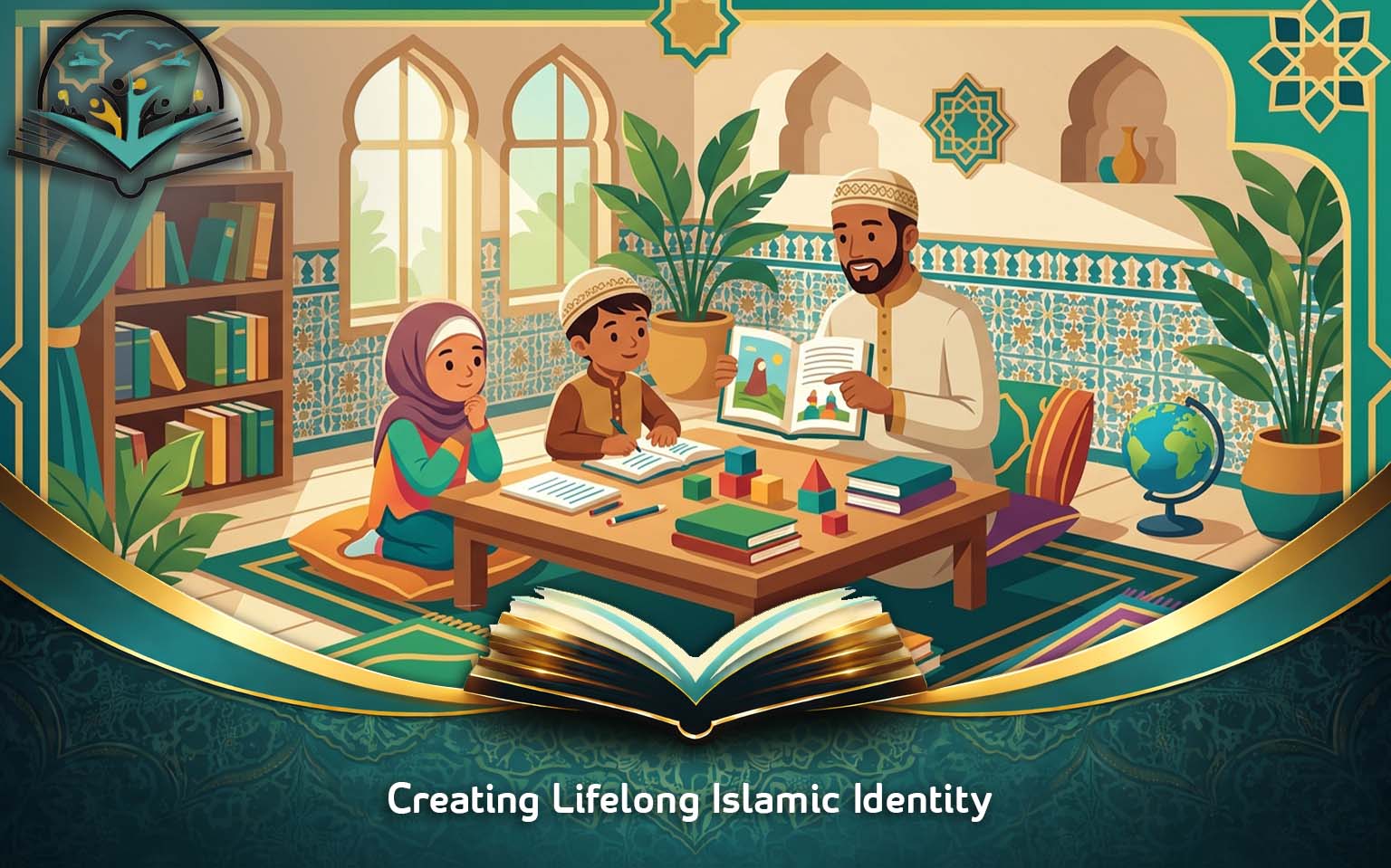
Islamic education at an early age shapes how children view themselves and their purpose in life. When children grow with strong faith, they develop confidence in their identity. Moreover, they learn how to face challenges with patience and trust in Allah. This creates a stable foundation for adulthood.
At Rattel W Artaqi Quran Academy the focus is on building a long-term connection with Islamic values, and this is also reinforced through Female Quran classes designed for consistent and structured learning. Lessons are created to stay with children throughout their lives, while students are encouraged to reflect on what they learn and apply it consistently, helping them develop a strong and lasting relationship with Islam.
As children grow, their understanding deepens and becomes more meaningful. Therefore, early education serves as the foundation for future learning and spiritual growth. This continuous development ensures lifelong connection with faith and values.
Frequently Asked Questions
Parents often ask important questions about Islamic Classes For Kids to understand teaching methods, schedules, learning outcomes, and student progress clearly.
What age is best to start Islamic education for children?
The best age to start Islamic education is early childhood, usually between three and seven years old. During this stage, children absorb values naturally and form strong habits. Therefore, early exposure helps build a solid foundation for future learning and spiritual development.
How do islamic classes for kids improve behavior?
islamic classes for kids improve behavior by teaching values such as honesty, respect, and kindness through practical examples and stories. Children learn how to apply these values in daily life, which helps them develop better social behavior and emotional understanding over time.
Can children learn Islam effectively online?
Yes, children can learn Islam effectively online when lessons are structured, interactive, and age appropriate. Platforms like Rattel W Artaqi Quran Academy use engaging methods such as storytelling and activities to ensure children stay focused, understand clearly, and enjoy the learning experience.
In conclusion, Islamic Classes For Kids at Rattel W Artaqi Quran Academy play a vital role in shaping a child’s personality and strengthening their connection with Islam from an early stage.
Through consistent learning, children develop love for the Quran, respect for Islamic teachings, and awareness of good manners in everyday actions. These classes also help parents feel confident that their children are receiving authentic and structured Islamic education.
Through interactive learning and supportive guidance, children in aqidah classes develop strong Islamic values, deeper spiritual awareness, and positive character traits within an encouraging environment that inspires lifelong growth and confidence in their identity.
Add New Comment