 العربية
 English


learn arabic online has become a practical way for people worldwide to understand and speak Arabic without attending traditional classes. Through digital education, learners can access structured lessons, interactive resources, and expert guidance from home. Rattel Wartaqi Quran Academy provides organized Arabic learning programs designed to help students improve their pronunciation, vocabulary, and communication skills.
Arabic is a rich language with a deep history, culture, and global importance. Although its alphabet, pronunciation, and grammar may seem challenging, the right learning approach can make the process easier. This guide explains effective methods to learn Arabic online and develop confident language skills step by step.
Why Learning Arabic Online Is a Great Choice for Modern Learners?

Online learning has changed the way people acquire new languages. Instead of being limited by location, students can now connect with teachers, educational materials, and Arabic-speaking communities from anywhere in the world.
One of the biggest advantages of online Arabic learning is flexibility. Every learner has a different schedule and learning style. Some people prefer short daily lessons, while others choose longer study sessions several times a week. Online education allows students to create a routine that matches their personal needs.
Another important benefit is the variety of available resources. Learners can use videos, audio lessons, digital books, interactive exercises, and live conversations to improve different language skills. This variety creates a more engaging experience compared to relying on textbooks alone.
Online learning also allows students to hear authentic Arabic pronunciation and observe how native speakers use expressions in real situations. Exposure to natural conversations helps learners understand the language beyond grammar rules.
Start Your Quran with Tajweed Journey Today
Begin your journey to recite the Holy Quran with confidence, clarity, and correct pronunciation. Join Rattel Wartaqi Quran Academy and learn through a structured Quran with Tajweed program designed for both beginners and advanced learners.
With qualified teachers and personalized guidance, you will improve your recitation step by step while mastering the rules of Tajweed simply and practically. Flexible online classes allow you to learn at your own pace while maintaining steady progress and consistency.
This program helps you strengthen your connection with the Holy Quran, improve accuracy, and build confidence in recitation. Enroll today and start your journey toward beautiful, correct, and meaningful Quran recitation.

Learn Arabic Online for Beginners: Essential Steps to Build a Strong Foundation
Starting a new language requires a clear plan. Many beginners make the mistake of trying to learn advanced vocabulary or complicated grammar before mastering the basics. A structured approach helps create steady progress and prevents confusion.
1. Master the Arabic Alphabet and Pronunciation
The first step in learning Arabic is understanding the alphabet. Arabic letters have different shapes depending on their position in a word, and some sounds may not exist in other languages.
Learning the correct pronunciation from the beginning is extremely important. Incorrect pronunciation can affect meaning and make communication more difficult. Beginners should spend enough time practicing individual letters, listening carefully, and repeating sounds until they become familiar.
A strong foundation in the alphabet makes reading easier and allows learners to recognize new words more quickly.
2. Build Everyday Vocabulary
After learning the basic letters, learners should focus on common words and expressions used in daily conversations. Starting with practical vocabulary makes the learning process more useful and motivating.
Important categories include greetings, numbers, family members, food, places, common verbs, and everyday phrases. Learning words inside complete sentences is usually more effective than memorizing isolated vocabulary because it teaches learners how words function naturally.
For example, instead of learning a single word, students can learn a complete phrase and understand how it is used in real communication.
3. Improve Listening Skills Through Daily Practice
Listening is one of the most important skills in language learning. Many students can recognize written Arabic but struggle to understand spoken conversations because they do not practice listening enough.
Regular exposure to Arabic audio helps the brain become familiar with pronunciation, rhythm, and sentence structure. Even spending a few minutes every day listening to Arabic content can create noticeable improvement over time.
Learners can practice through educational videos, conversations, podcasts, and other Arabic materials suitable for their level.
Different Approaches to Learning Arabic Through Digital Resources
Every learner has different goals. Some people want to communicate during travel, while others want to read Arabic texts or develop professional language skills. Choosing the right learning method can make the journey more efficient.
The Online Immersion Method
The immersion approach focuses on surrounding yourself with Arabic as much as possible. Traditionally, immersion meant living in an Arabic-speaking country, but modern technology makes it possible to create a similar experience online.
Learners can watch Arabic videos, follow native speakers, join conversations, and practice listening every day. This method helps develop natural language awareness and improves confidence.
Online immersion works especially well for motivated learners who enjoy discovering the language through real-life examples.
The Translation-Based Method
The translation method involves reading Arabic texts and comparing them with translations in another language. This approach can improve vocabulary and reading comprehension.
It is particularly useful for learners who want to understand written Arabic. However, translation alone may not provide enough speaking practice, so it should be combined with listening and conversation activities.
The Grammar-Focused Method
Arabic grammar plays an important role in understanding how sentences are formed. A grammar-focused approach helps learners recognize patterns and use the language more accurately.
Studying grammar can be valuable, especially for students who enjoy understanding the structure of a language. However, grammar should always be connected with practical examples to avoid learning rules without knowing how to apply them.
How Rattel Wartaqi Quran Academy Supports Arabic Learning?
Choosing a reliable educational environment can make a significant difference in the learning experience. Rattel Wartaqi Quran Academy provides structured learning support designed to help students develop their Arabic skills through organized lessons and professional guidance.
A qualified teacher can help learners improve pronunciation, understand difficult concepts, and practice communication in a more effective way. Having guidance also allows students to identify their weaknesses and focus on areas that need improvement.
The advantage of learning with structured support is that students can follow a clear path instead of feeling overwhelmed by the large amount of information available online.
The Fastest Way to Develop Real Arabic Skills
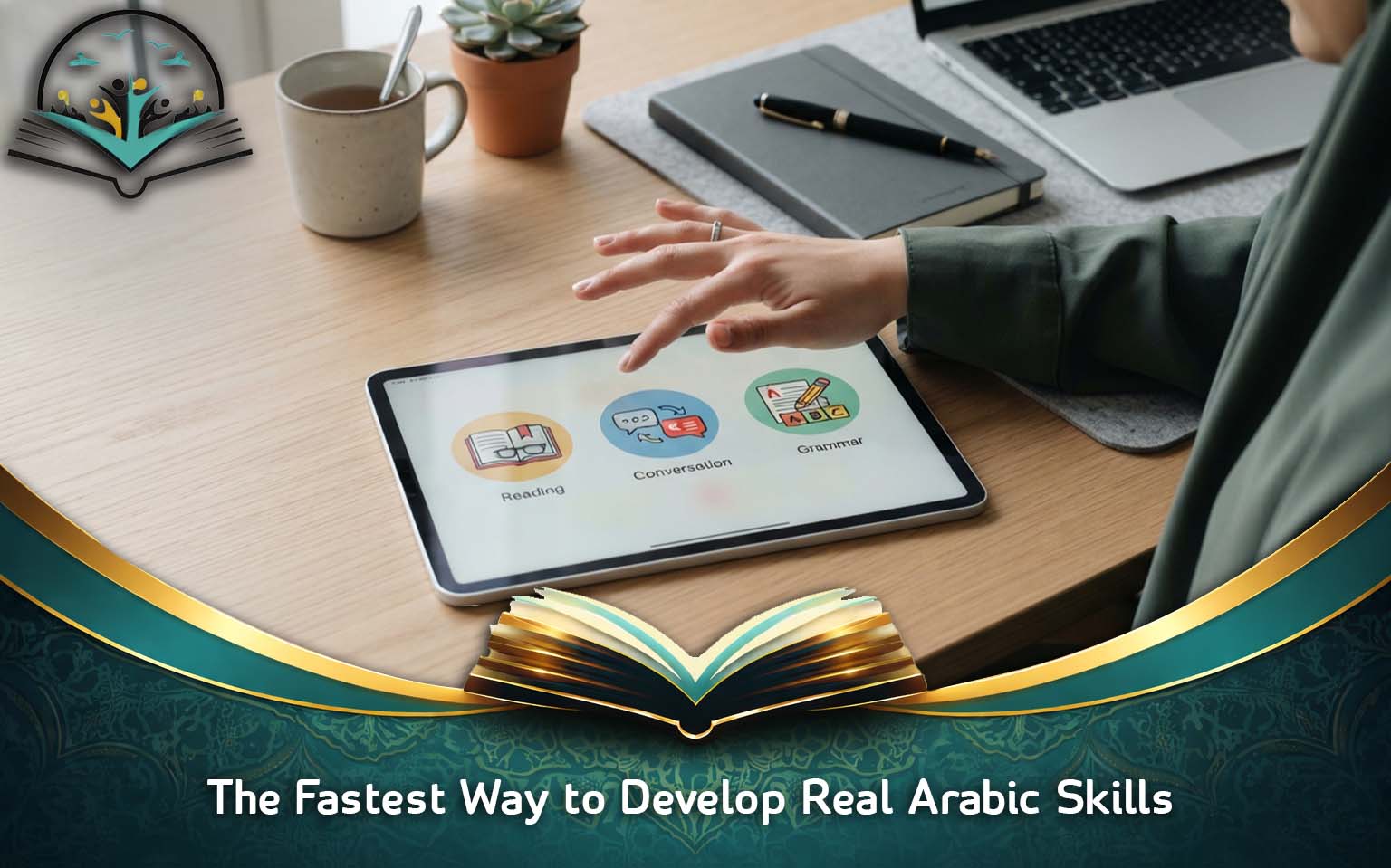
One of the most effective methods for language development is the communication-based approach. This method focuses on using Arabic in real conversations instead of only studying vocabulary lists or grammar explanations.
Through live lessons, speaking exercises, and interactive activities, learners practice expressing their ideas, asking questions, and responding naturally. This type of practice helps reduce hesitation and builds confidence over time.
Speaking regularly is essential because language is a practical skill. A learner may understand many words and grammar rules but still struggle to communicate without enough speaking practice.
A successful learning plan should include opportunities to listen, speak, read, and write. Combining these skills creates a complete learning experience and helps students use Arabic in different situations.
Building Language Step by Step
Vocabulary is the foundation of communication. Without enough words, it becomes difficult to understand conversations or express thoughts clearly.
The vocabulary-based approach focuses on learning useful words and phrases through repetition, examples, and practical situations. Many learners find this method easier because they can quickly notice progress as their vocabulary increases.
Using images, real-life examples, and repeated exposure helps the brain remember new words more effectively. However, vocabulary learning should always be combined with listening and speaking practice to ensure that learners can use new words naturally.
How to Choose the Best Learning Method for Your Goals?
Choosing the right method depends on your personal goals, available time, and preferred learning style. There is no single approach that works perfectly for every learner. The best strategy combines different methods to create balanced language development.
If your goal is to have conversations, focus more on listening and speaking activities. If you want to understand written texts, include more reading and grammar practice. If you want a complete understanding of Arabic, combine all language skills together. A good Arabic learning program should include:
- Clear lessons that develop reading, writing, listening, and speaking skills.
- Correct pronunciation training to help learners produce Arabic sounds accurately.
- Regular practice opportunities to strengthen memory and confidence.
- Cultural understanding to recognize how Arabic is used in different situations.
- Guidance from experienced instructors who can correct mistakes and provide feedback.
- Interactive activities that make learning more enjoyable and effective.
The most successful learners are usually those who practice consistently. Studying for a short time every day is often more beneficial than studying for many hours only occasionally.
The Importance of Consistent Practice When Learning Arabic
Consistency is one of the most important factors in language success. Many learners start with strong motivation but stop because they expect immediate results.
Learning Arabic is a gradual process. Each lesson, conversation, and practice session adds to your overall progress. Small daily efforts create stronger results than irregular study habits.
Creating a simple routine can make learning easier. For example, learners can spend time each day reviewing vocabulary, listening to Arabic content, practicing pronunciation, and writing short sentences.
It is also important to stay patient and celebrate progress. Understanding a new phrase, reading a sentence correctly, or having a short conversation are all signs of improvement.
How Technology Makes Arabic Learning Easier?
Modern technology has transformed language education by providing tools that were not available in the past. Learners now have access to digital resources that support every stage of the learning journey.
Mobile devices allow students to practice anywhere, whether they are at home, traveling, or taking a short break during the day. Online platforms also provide opportunities to connect with teachers and other learners.
Interactive technology can make difficult concepts easier to understand through visual explanations, audio examples, and practical exercises. These tools encourage active learning instead of passive memorization.
With the right resources and commitment, learning Arabic can become an enjoyable experience rather than a difficult task.
Why Professional Guidance Can Improve Your Learning Experience?
Although many free resources are available online, professional guidance can help learners avoid common mistakes and progress more efficiently.
A teacher can explain difficult topics, correct pronunciation problems, and provide a learning plan based on the student’s level. This personalized support saves time and helps learners focus on what they truly need.
Rattel Wartaqi Quran Academy offers organized educational support for students who want to improve their Arabic abilities through structured lessons and expert instruction. A guided learning environment can help students maintain motivation and achieve steady progress.
Having a clear learning path allows students to measure their development and understand the next steps in their language journey.
The Benefits of Choosing Online Arabic Classes for Long-Term Progress
Choosing to learn Arabic online as your learning method provides many advantages for students who want to achieve long-term language improvement. Unlike traditional classes with fixed schedules, online Arabic education allows learners to study according to their own pace and personal goals.
Students can repeat difficult lessons, review previous materials, and practice specific skills whenever they need. This level of flexibility helps learners stay motivated and continue improving without feeling pressured.
Another benefit of Arabic online classes is personalized learning. Every student has different challenges, whether it is pronunciation, vocabulary, grammar, or conversation skills. A structured online program allows learners to focus on their weak areas and develop their abilities step by step.
How to Create an Effective Plan to Learn Arabic Online?
A successful plan is essential for anyone who wants to learn Arabic online effectively. Without a clear strategy, learners may spend a lot of time studying random topics without achieving noticeable progress.
A good learning plan should include daily vocabulary practice, regular listening exercises, speaking activities, and reading practice. Beginners can start with the basics through a structured Arabic language online course that introduces letters, pronunciation, and essential vocabulary in a gradual way.
Learners should also track their progress by reviewing previous lessons and testing their understanding regularly. Measuring improvement creates motivation and shows how much progress has been achieved over time.
Learn Arabic Online Through Live Lessons and Native Teachers

One of the most effective ways to improve Arabic skills is learning through live lessons with experienced instructors. Professional online Arabic classes provide direct communication, immediate feedback, and opportunities to practice real conversations.
A qualified Arabic teacher can explain pronunciation rules, correct mistakes, and introduce cultural expressions that may not be found in textbooks. This personal interaction makes the learning process more natural and effective.
For beginners, starting with learn Arabic alphabet lessons with a skilled teacher can create a strong foundation. Understanding Arabic letters and sounds correctly from the beginning helps students develop better reading and speaking skills.
Why Arabic Speaking Practice Is Important for Language Fluency?
Many learners who study Arabic focus mainly on vocabulary and grammar but do not practice speaking enough. However, communication is the main purpose of learning any language.
Regular Arabic speaking practice helps students become more comfortable expressing their thoughts and understanding real conversations. Even simple daily conversations can greatly improve confidence and fluency.
When students combine speaking practice with listening, reading, and writing, they develop a complete understanding of the Arabic language and gain better results from their learning journey.
Learn Arabic Online for Different Goals and Learning Needs
People choose to learn Arabic online for many different reasons. Some want to communicate while traveling, others want to understand Islamic texts, and some need Arabic for academic or professional purposes.
Online Arabic learning programs can be adapted to different goals and levels. Beginners can start with basic letters and vocabulary, while advanced learners can focus on conversation, grammar improvement, or specialized Arabic skills.
Some students prefer learning with a personal instructor, and choosing a Female Arabic tutor online can provide a comfortable and supportive learning environment for those who prefer female teachers. Personalized guidance helps learners receive individual feedback and progress according to their needs.
The Role of Cultural Understanding in Learning Arabic
Learning Arabic is not only about studying words and grammar rules. Understanding Arabic culture helps learners communicate more naturally and appreciate the meaning behind expressions and conversations.
Arabic has a rich cultural background connected to history, literature, traditions, and social values. When learners explore these aspects, they develop a deeper connection with the language.
Combining language skills with cultural knowledge creates a more complete and enjoyable learning experience, especially when studying through interactive Arabic online classes that include real-life examples.
Common Mistakes Beginners Should Avoid When Learning Arabic Online
Many beginners make mistakes that slow down their progress. One common mistake is trying to memorize large amounts of vocabulary without understanding how to use words in sentences.
Another mistake is focusing only on grammar while ignoring listening and speaking practice. Language learning requires balance between different skills, which is why well-designed online Arabic classes include reading, writing, listening, and conversation activities together.
Successful learners focus on regular practice, accept mistakes as part of learning, and continue improving gradually with the support of effective learning methods.
Why Now Is the Best Time to Learn Arabic Online?
With the availability of modern technology and high-quality digital resources, learning Arabic has become easier than ever before. Students can access professional lessons, interactive tools, and experienced teachers from anywhere.
The growing popularity of learning Arabic online reflects how digital education has made language learning more accessible for people around the world. Modern Arabic language online course options provide flexible solutions for beginners, children, and adults who want to improve their Arabic skills.
Whether your goal is communication, cultural discovery, travel, or personal development, starting today can help you build valuable Arabic skills for the future.
Practical Tips to Improve Your Arabic Faster

To make better progress, learners should apply Arabic in different ways instead of depending on one learning activity.
Here are some useful tips:
Practice Arabic Every Day
Daily exposure helps the brain become familiar with the language. Even a few minutes of practice can make a difference when it becomes a regular habit.
Listen Before Trying to Speak Perfectly
Listening helps learners understand pronunciation and sentence patterns. Do not worry about making mistakes during early speaking practice because mistakes are part of the learning process.
Use Arabic in Real Situations
Try writing simple notes, describing daily activities, or having short conversations. Practical use makes the language easier to remember.
Review Previous Lessons Regularly
Review prevents forgetting and strengthens long-term memory. Revisiting old vocabulary and concepts helps build a stronger foundation.
Stay Connected With Arabic Content
Watching Arabic videos, reading simple texts, and listening to conversations can increase exposure and improve understanding naturally.
Frequently Asked Questions
Provide answers to the most common questions about learning Arabic online, helping beginners and advanced learners better understand the learning process, available methods, and expected progress.
1. How long does it take to become fluent in Arabic?
The time required depends on the learner’s dedication, previous language experience, and practice routine. Regular study and consistent communication practice can significantly speed up progress.
2. Can I learn Arabic without knowing any previous Arabic?
Yes, beginners can start from the basics by learning the alphabet, pronunciation, common vocabulary, and simple conversations with a structured learning plan.
3. Is online Arabic learning suitable for children and adults?
Yes, online Arabic learning can be suitable for different ages when lessons are designed according to the learner’s level and learning goals.
In conclusion, learning Arabic online has become one of the most effective ways to gain Arabic language skills with flexibility, convenience, and professional support. With the right learning approach, regular practice, and access to qualified teachers, learners can improve their pronunciation, vocabulary, communication, and overall understanding of Arabic.
Whether your goal is to communicate with Arabic speakers, explore Arab culture, understand religious texts, or develop new personal and professional skills, online Arabic learning provides valuable opportunities for every learner.
Success in learning Arabic comes from consistency, patience, and choosing the right educational resources. By following a structured plan and practicing regularly, anyone can build confidence and enjoy a meaningful journey into the Arabic language.
Add New Comment