 العربية
 English

teach islam to kids is an important responsibility for parents and educators who want to build strong faith, good character, and a clear Islamic identity in children from an early age. Rattel Wartaqi Quran Academy provides a structured and supportive way to help parents and learners achieve this goal through simple, engaging, and age-appropriate methods.
Start your journey to teach Islam to kids naturally and effectively by focusing on daily habits, storytelling, and consistent practice. When children are guided with patience and love, they develop a strong connection to Islam without feeling pressure or confusion.
With the help of Rattel Wartaqi Quran Academy, children can learn basic beliefs, good manners, and essential Islamic practices step by step. This approach helps them grow with confidence, understanding, and a lifelong connection to their faith.
Why Early Islamic Learning Matters?
When parents decide to teach Islam to kids, they are actually shaping identity, not just teaching religion. Early childhood is the most sensitive stage of development, where beliefs, habits, and emotional connections are formed.
Children between the ages of 3 and 12 absorb everything around them quickly. They imitate actions, repeat words, and develop emotional responses based on what they experience daily. If Islamic teachings are introduced gently and consistently, they become part of the child’s personality. Early Islamic education helps children:
- Build strong moral values
- Develop a clear sense of identity
- Understand right and wrong from an Islamic perspective
- Feel confident about their faith in different environments
- Strengthen their emotional connection with Allah
Success depends not on intensity but on consistency. Small daily habits, when repeated regularly, gradually build a strong, lasting foundation that supports growth and long-term improvement over the overall journey.
Start Your Quran with Tajweed Journey Today
Begin your journey to recite the Holy Quran with confidence, clarity, and correct pronunciation. Join Rattel Wartaqi Quran Academy and learn through a structured Quran with Tajweed program designed for both beginners and advanced learners.
With qualified teachers and personalized guidance, you will improve your recitation step by step while mastering the rules of Tajweed simply and practically. Flexible online classes allow you to learn at your own pace while maintaining steady progress and consistency.
This program helps you strengthen your connection with the Holy Quran, improve accuracy, and build confidence in recitation. Enroll today and start your journey toward beautiful, correct, and meaningful Quran recitation.
Core Principles Every Child Should Learn First
Before diving into complex topics, the foundation of Islamic learning should always be simple, clear, and repeated regularly.
The Five Pillars of Islam
The Five Pillars are the practical foundation of a Muslim’s life. When you teach Islam to kids, these pillars should be introduced in a simplified and practical way:
- Shahada: Belief in one Allah
- Salah: Daily prayers
- Zakat: Helping others
- Sawm: Fasting during Ramadan
- Hajj: Pilgrimage to Makkah
Children don’t need deep theological explanations at first. They need understanding through stories, visuals, and daily examples.
The Six Pillars of Faith
Children should also be introduced to core beliefs gradually through simple explanations, daily examples, storytelling, and repetition, so they can understand faith in a clear, comforting, and age-appropriate way.
- Belief in Allah
- Belief in Angels
- Belief in Divine Books
- Belief in Prophets
- Belief in the Day of Judgment
- Belief in Divine Decree
These beliefs help children understand the unseen world in a simple and comforting way, building faith, emotional security, and a natural connection to Allah through easy and age-appropriate understanding.
Age-Based Method for Teaching Islam
A successful approach to teach islam to kids must respect their developmental stages. Each age group learns differently.
Ages 3–5: Learning Through Observation
At this stage, children learn primarily by imitation, copying what they see from parents and surroundings, absorbing behaviors, language, and habits naturally through observation rather than explanation. Focus on:
- Saying “Bismillah” before eating
- Hearing short duas daily
- Watching parents pray
- Repeating simple Islamic phrases
- Recognizing Quran recitation
At this age, children do not need complex explanations; they mainly need consistent exposure, repetition, and simple daily practice so concepts become familiar, natural, and firmly rooted over time. An online Islamic center for kids can support this learning journey by providing structured lessons, engaging activities, and guided repetition in a child-friendly environment that helps reinforce understanding and build strong, lasting foundations in faith.
Ages 6–9: Learning Through Stories
This is the stage where imagination and curiosity are very strong, making children highly responsive to stories, visual learning, and engaging activities that shape understanding and long-term memory. Focus on:
- Prophet stories with moral lessons
- Simple Quran memorization
- Basic understanding of prayer
- Islamic manners (adab)
- Introduction to halal and haram
Stories are extremely powerful at this stage because they create emotional memory, not just intellectual understanding.
Ages 10–12: Understanding and Responsibility
At this stage, children begin to think more logically, ask deeper questions, and seek clear explanations, showing growing curiosity and a developing ability to understand concepts beyond simple imitation. Focus on:
- Understanding the meaning behind prayers
- Learning tafsir of short surahs
- Strengthening daily Salah habits
- Discussing Islamic values in real-life situations
- Encouraging independent practice
This is where children gradually transition from imitation to understanding, beginning to ask deeper questions, form logical connections, and develop clearer awareness of meaning behind actions and beliefs.
Making Islamic Learning Engaging and Natural
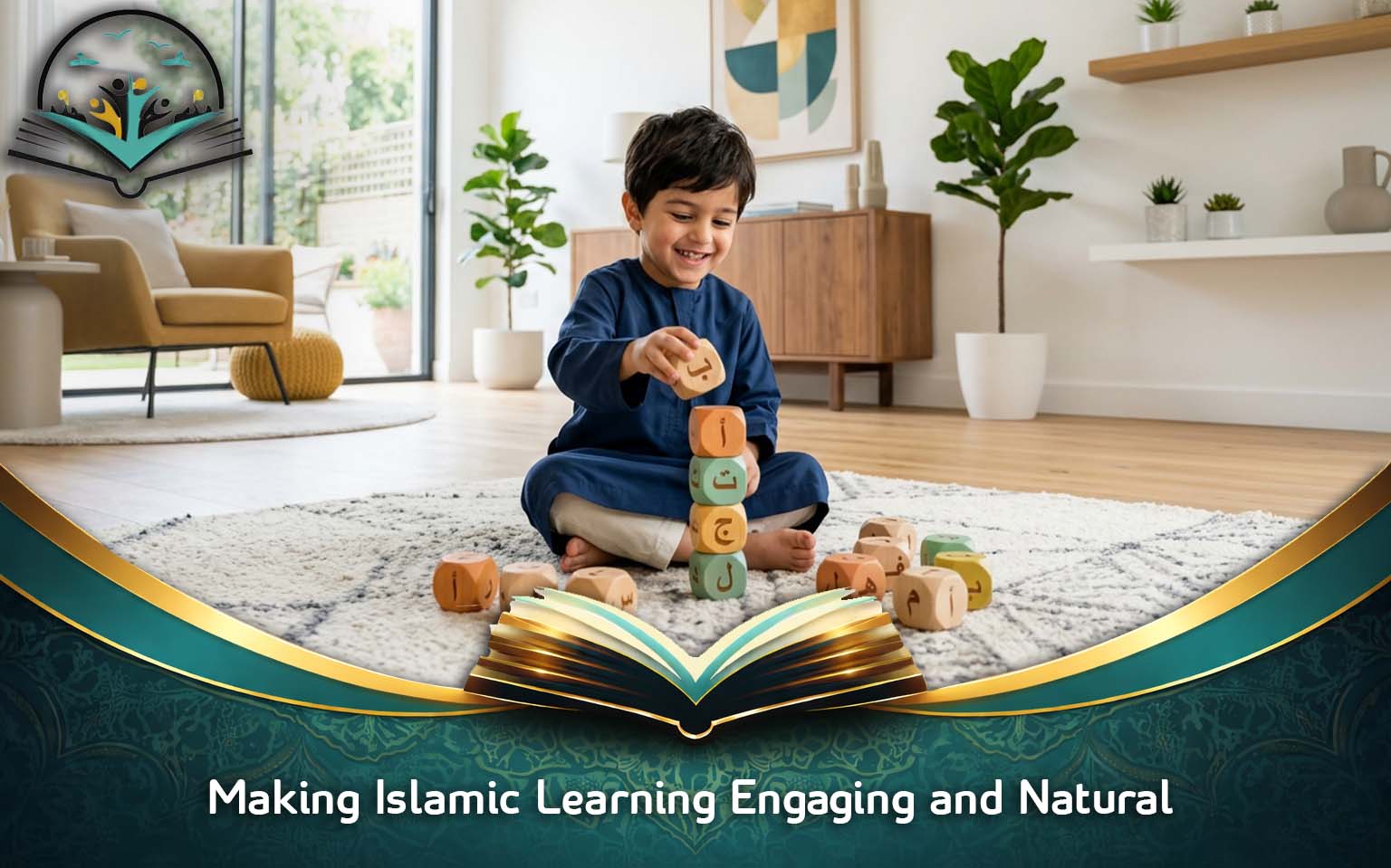
To successfully teach Islam to kids, learning should feel simple, natural, and part of everyday life rather than something forced or stressful. Children understand best when they are happy, relaxed, and actively involved in what they are learning.
At an early age, kids do not need long explanations. They learn through experience, repetition, and observation. That is why Islamic education should be built around activities, stories, and daily habits that slowly shape their understanding and love for Islam.
Storytelling as a Learning Tool
Stories are one of the easiest ways to teach Islam to kids. Children naturally love listening to stories, especially when they include heroes, challenges, and meaningful lessons.
When children hear about Prophet Ibrahim’s trust in Allah or Prophet Musa’s courage, they begin to understand values like patience, faith, and bravery simply. Stories help them connect emotionally, which makes the lessons stay in their memory for a long time.
Learning Through Simple Activities
Instead of only talking or explaining, children should learn through doing. This keeps them interested and active.Good activities include:
- Drawing Islamic values like kindness and honesty
- Acting out short prophet stories
- Making simple crafts related to Islam
- Playing memory games with duas
These methods make learning fun and help children remember better because they are part of the experience, not just listening.
Daily Life Integration
Islam should not be taught only in lessons. It should be part of daily life to truly teach Islam to kids in a natural way. Simple habits can make a big difference:
- Saying “Bismillah” before eating
- Making short duas during daily routines
- Talking about gratitude at home
- Listening to Quran in the background
- Practicing kindness with family and friends
When children see Islam reflected in everyday actions, it gradually becomes natural, familiar, and easy to follow, shaping their behavior, habits, and understanding of faith consistently.
Building Strong Character Alongside Faith
One of the main goals when you teach Islam to kids is building strong character, not just transferring knowledge or memorizing information. Islamic studies for kids course education is meant to shape behavior, refine manners, and guide children toward becoming responsible and caring individuals in their daily lives. When children grow up with these values, they carry them naturally into adulthood.
Islamic education should develop:
- Honesty in speech
- Respect for parents
- Kindness to others
- Responsibility in actions
- Patience in difficulties
These values are not learned in a single lesson but are developed gradually through daily practice, repetition, and real-life situations. For example, a child learns honesty when they see truthfulness rewarded, and they learn kindness when they experience and observe it at home.
Children learn character more from what they see than what they hear. Parents are the first and most important role models, and their behavior has a deeper impact than any instruction.
The Role of Structured Learning Support
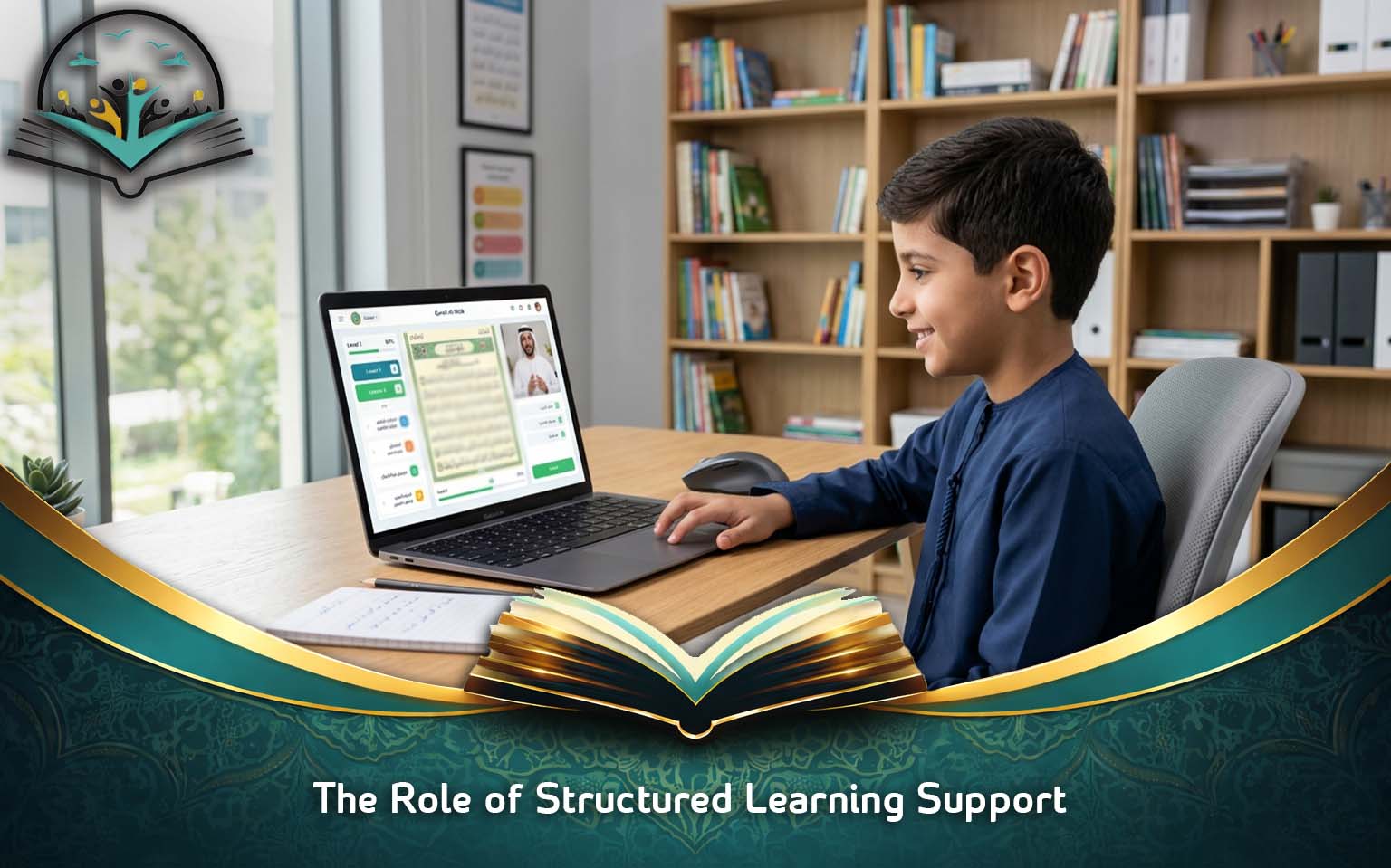
While parents play the main role, structured learning can help maintain consistency and proper guidance. Programs like Wartaqi Quran Academy provide organized lessons that support both children and parents in this journey. At its core, Wartaqi Quran Academy focuses on:
- Step-by-step Quran learning
- Age-appropriate Islamic studies
- Interactive and engaging teaching methods
- Building love for Islam, not pressure
A second mention of Wartaqi Online Islamic Academy for kids is important here because structured learning helps bridge gaps that parents may struggle with due to time or knowledge limitations. This type of support ensures that children receive correct information in a consistent and encouraging environment.
Common Challenges Parents Face
Even with strong intentions to teach Islam to kids, many parents face real and practical challenges during the learning journey. These challenges are normal and do not mean failure; rather, they are part of the process of raising children with strong Islamic values. Understanding them helps parents respond with patience and better strategies instead of frustration.
Lack of Interest
Children may sometimes show boredom or lack of attention during learning. This usually does not mean they are unwilling to learn, but rather that the method being used is not engaging enough for their age or personality. In such cases, parents should focus on changing the approach by using stories, games, or interactive activities instead of strict explanation.
Busy Daily Life
Many families struggle with time due to school, work, and responsibilities. However, when you teach Islam to kids, consistency is far more important than long study sessions. Even 10 minutes of meaningful learning each day can create strong habits and long-term understanding.
Limited Knowledge
Some parents feel they are not knowledgeable enough to teach properly. The truth is that parents do not need to be scholars. Learning alongside children is part of the journey and can even strengthen the bond between them.
Forgetfulness
Both children and parents may forget lessons or daily practices. This is completely normal. Repetition is the key, because Islamic learning is not built in a day but gradually over time through continuous exposure and practice.
Practical Daily Activities for Parents
To successfully teach Islam to kids, consistency is far more important than long or complicated lessons. Children do not need overwhelming schedules; instead, they benefit from small, repeated actions that gradually build understanding, habit, and love for Islam.
When Islamic learning becomes part of daily family life, it feels natural and easy for children to follow over time. Here are simple ways to make learning consistent:
- Morning and evening duas
- One short story before bed
- Weekly family learning session
- Practicing Salah together
- Small charity habits using savings jars
Facts about Islam help children learn faith in a simple, natural way through repetition, observation, and daily practice rather than complex explanations. Small actions like duas, stories, prayer, and charity may seem simple, but together they build strong habits and deep understanding over time.
Basic knowledge about Allah and good manners becomes clear, while how to pray in Islam is best learned through watching, imitation, and gradual practice. With consistency, these repeated actions shape character, strengthen faith, and create a lasting spiritual connection with Islam.
Encouraging Love for Islam, Not Pressure
When you teach Islam to kids, the most important goal is love. Children should feel that Islam is part of their identity, not an obligation imposed on them. This happens when:
- Learning is gentle
- Mistakes are corrected with patience
- Progress is praised
- Religion is connected to daily life
Children who grow up with love for Islam naturally continue practicing it in adulthood, carrying their faith with sincerity, confidence, and consistency as an essential part of their identity and daily life.
Why Does Consistency Beat Perfection in Teaching Kids Islam?
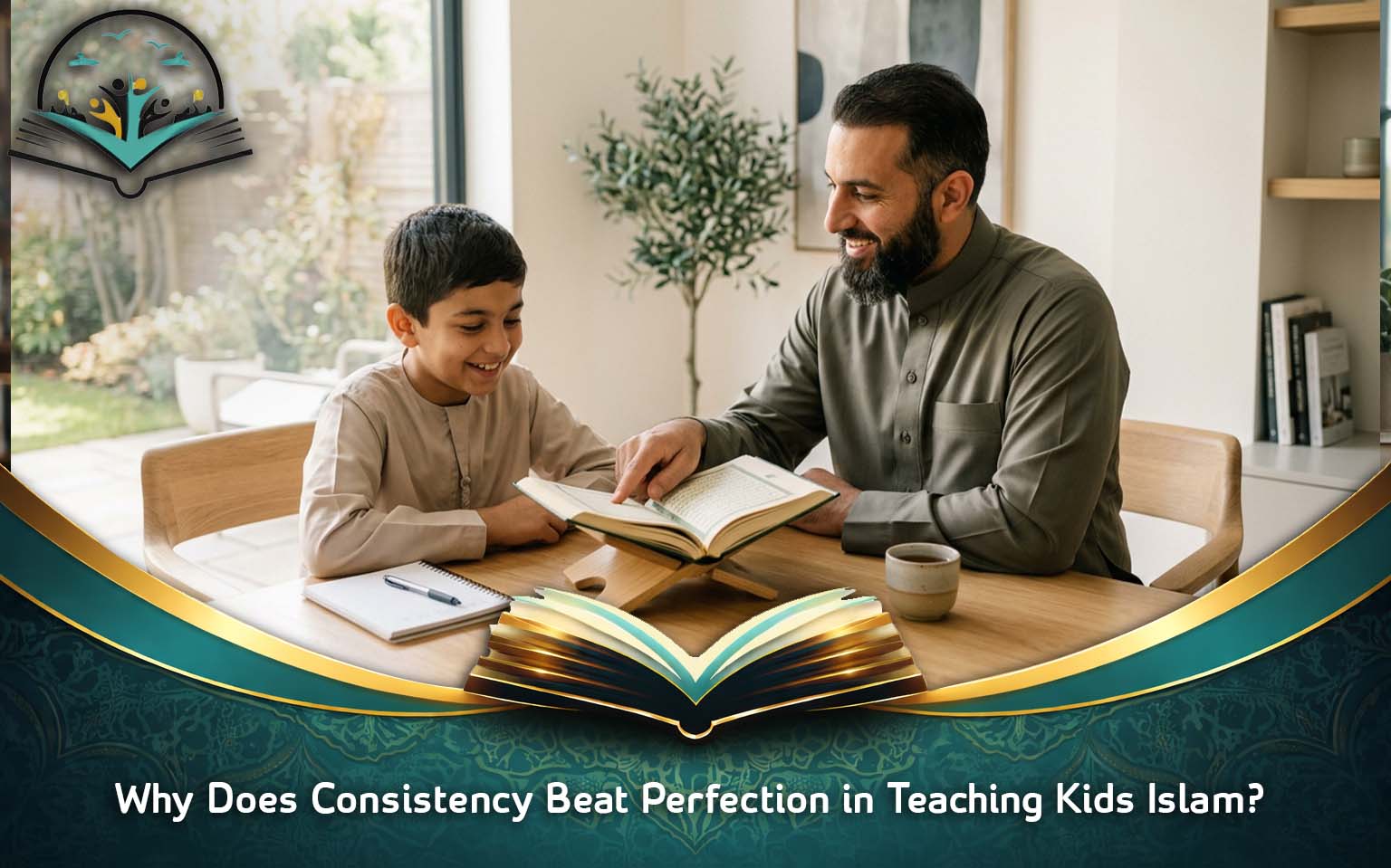
When parents try to teach Islam to kids, many of them believe they need to be perfect teachers who cover every detail correctly and without mistakes. However, Islamic education is not built on perfection—it is built on consistency, patience, and gradual growth over time. What truly shapes a child’s understanding is not the intensity of a single lesson, but the steady repetition of small, meaningful actions every day.
Small daily actions are far more powerful than occasional intensive lessons. A child who hears Islamic reminders regularly, even in simple forms, develops a deeper and more natural connection to faith than a child who only studies Islam occasionally in long sessions. Repetition builds familiarity, and familiarity builds love.
This is where structured support such as Wartaqi Quran Academy becomes valuable, as it helps maintain consistency and provides a stable learning path for children over time. It ensures that learning continues in an organized, gradual, and child-friendly way that strengthens both knowledge and character.
Frequently Asked Questions (FAQs)
Here are the most common questions parents ask about teaching children Islam, along with simple and clear answers to help guide their learning journey.
1. What is the best age to start teaching Islam to children?
The best age to start is around 3 years old, because at this stage children learn mainly through imitation, repetition, and observation rather than explanation. Simple habits like saying “Bismillah” before eating, hearing short duas, and watching parents pray are enough to build early familiarity with Islam.
2. How can I make Islamic learning fun for kids?
Use storytelling, simple crafts, and games instead of formal lessons. Prophet stories, drawing activities, and role-playing help children connect emotionally and enjoyably understand values.
3. How long should daily Islamic learning take?
Even 10 minutes daily is enough if done consistently. Short routines like a bedtime story or morning dua are more effective than long, irregular lessons.
In conclusion, teaching Islam to children is not a difficult task, but rather a long journey that requires patience and consistency more than perfection. The real impact does not come from long lessons or complex explanations, but from simple daily actions that are repeated consistently in a child’s life.
When Islamic values are presented gently and lovingly, children feel that religion is a natural part of their identity rather than something forced upon them. Over time, these small practices turn into lasting habits that shape their character and build strong moral and spiritual awareness.
Focusing on good role modeling, calm communication, and meaningful stories helps children develop a deeper connection with their faith. As they grow, they carry this sincere belief and balanced behavior with them, enabling them to face life with confidence, peace, and purpose.
Add New Comment