 العربية
 English

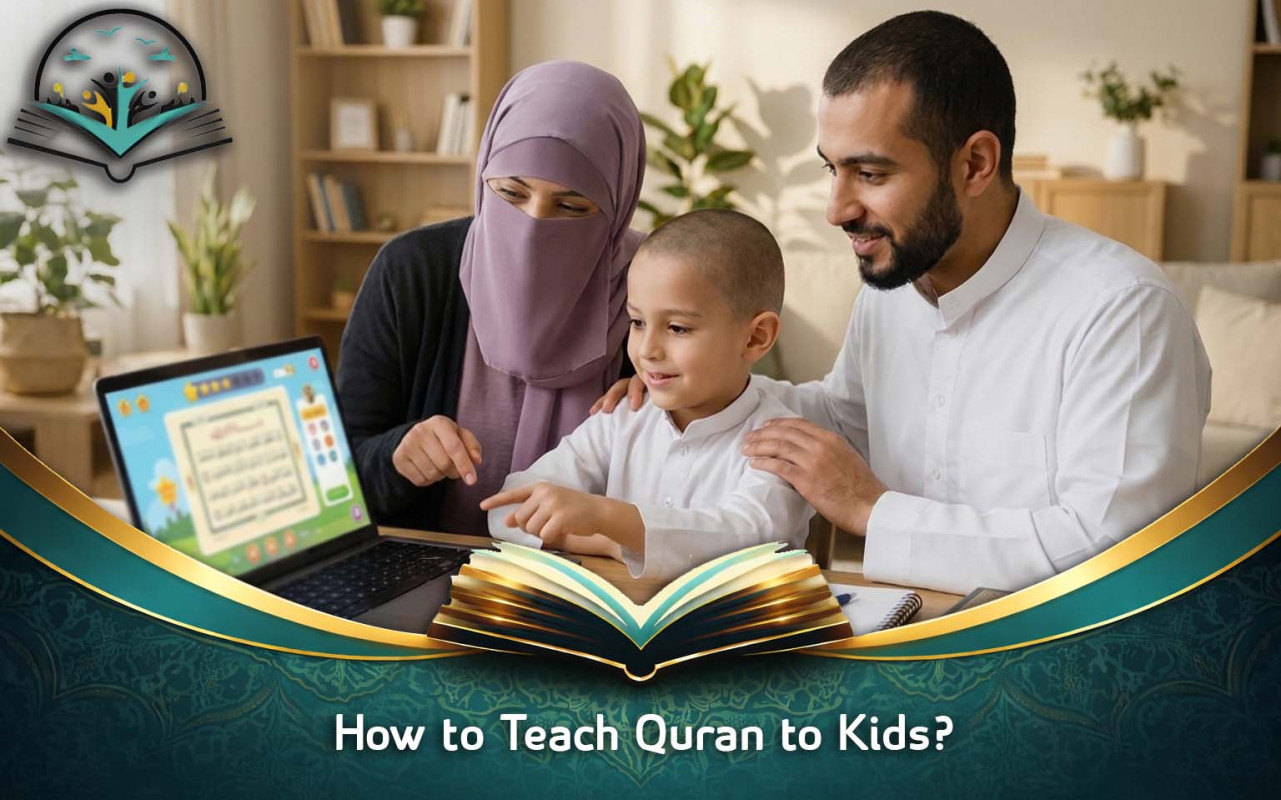
How to teach the Quran to kids is an important question for Muslim parents who want their children to develop a strong relationship with the Quran from an early age. However, teaching children to read and understand the Quran requires more than regular lessons. It involves patience, encouragement, age-appropriate activities, and a consistent learning routine.
Whether your family lives in the United States, the United Kingdom, Canada, or another country, you can create a positive Quran learning experience at home. The key is to make learning enjoyable while helping children develop correct pronunciation, basic recitation skills, and a genuine love for the words of Allah.
With guidance from Rattel W. Artaqi Quran Academy, parents can also explore online Quran learning as an option for supporting their children's educational journey.
Start with Your Child's Age and Learning Level
Before deciding how to teach quran to kids, consider their age, attention span, and previous experience with Arabic letters.
Young children usually respond better to short, interactive activities, while older children may be ready for more structured lessons. For example:
-
Ages 3–5: Introduce Arabic letters through pictures, sounds, and simple games.
-
Ages 6–8: Begin connecting letters, learning short vowels, and reading simple Arabic words.
-
Ages 9–12: Introduce Quranic reading, basic Tajweed rules, and short Surahs.
-
Teenagers: Focus on improving fluency, understanding recitation rules, and developing independent reading habits.
Remember that children do not develop at exactly the same pace. Therefore, adjust the learning method according to your child's abilities rather than comparing their progress with other children.
Teach Arabic Letters Before Starting Quran Recitation
A strong foundation in Arabic is essential for children who are beginning their Quran journey.
Start by introducing the Arabic alphabet and helping your child recognize the different letter shapes. Then, practice the sounds of individual letters before moving to combinations. You can make this process easier through:
-
Flashcards with Arabic letters and pictures.
-
Repeating letter sounds together.
-
Simple writing exercises.
-
Matching games using similar-looking letters.
-
Short daily pronunciation activities.
For families looking for structured resources, learning quran for beginners provides a relevant starting point for understanding the early stages of Quran education.
Additionally, avoid rushing children into reading complete verses before they become comfortable recognizing letters and basic vowel marks.
How to Help Children Recognize Similar Arabic Letters?
Some children struggle to distinguish between Arabic letters that have similar shapes, such as ب، ت، and ث. Instead of introducing all these letters together, teach them separately and highlight the differences in the number and position of dots.
For example, show your child the three letters on flashcards, pronounce each one clearly, and ask them to identify it in different words. Short comparison exercises can help children recognize these differences without feeling overwhelmed.
Make Quran Learning Enjoyable and Interactive
One effective approach to how to teach the Quran to kids is to combine traditional learning with activities that keep children interested.
Instead of asking your child to repeat the same exercise for a long time, introduce different activities throughout the week. Consider these practical ideas:
-
Quran listening: Play short Surahs with clear recitation and encourage your child to listen carefully.
-
Letter recognition games: Ask children to identify specific Arabic letters on a page.
-
Surah challenges: Practice memorizing a few verses and celebrate their progress.
-
Storytelling: Share age-appropriate stories about the Prophets and Islamic values.
-
Reward systems: Use stickers or simple rewards to recognize consistent effort.
For example, a parent in Australia might organize a 15-minute Quran activity after school, combining listening, reading, and memorization.
The objective is not to turn every activity into a test. Instead, children should gradually associate Quran learning with positive experiences.
Introduce Tajweed Gradually
Correct pronunciation is an important part of learning to recite the Quran. However, introducing too many Tajweed rules at once can make the experience difficult for young learners.
Start with the correct articulation of Arabic letters, then gradually introduce simple recitation rules as your child becomes more confident. Parents can follow these steps:
-
Let the child listen to a clear Quran recitation.
-
Demonstrate how to pronounce a letter or short verse.
-
Ask the child to repeat it slowly.
-
Correct pronunciation gently.
-
Practice the same example regularly.
If you want to understand the learning process better, explore how to learn quran with tajweed. It is also helpful for parents to understand that Tajweed develops through consistent listening, practice, and appropriate guidance rather than memorizing definitions alone.
Create a Simple Quran Learning Schedule
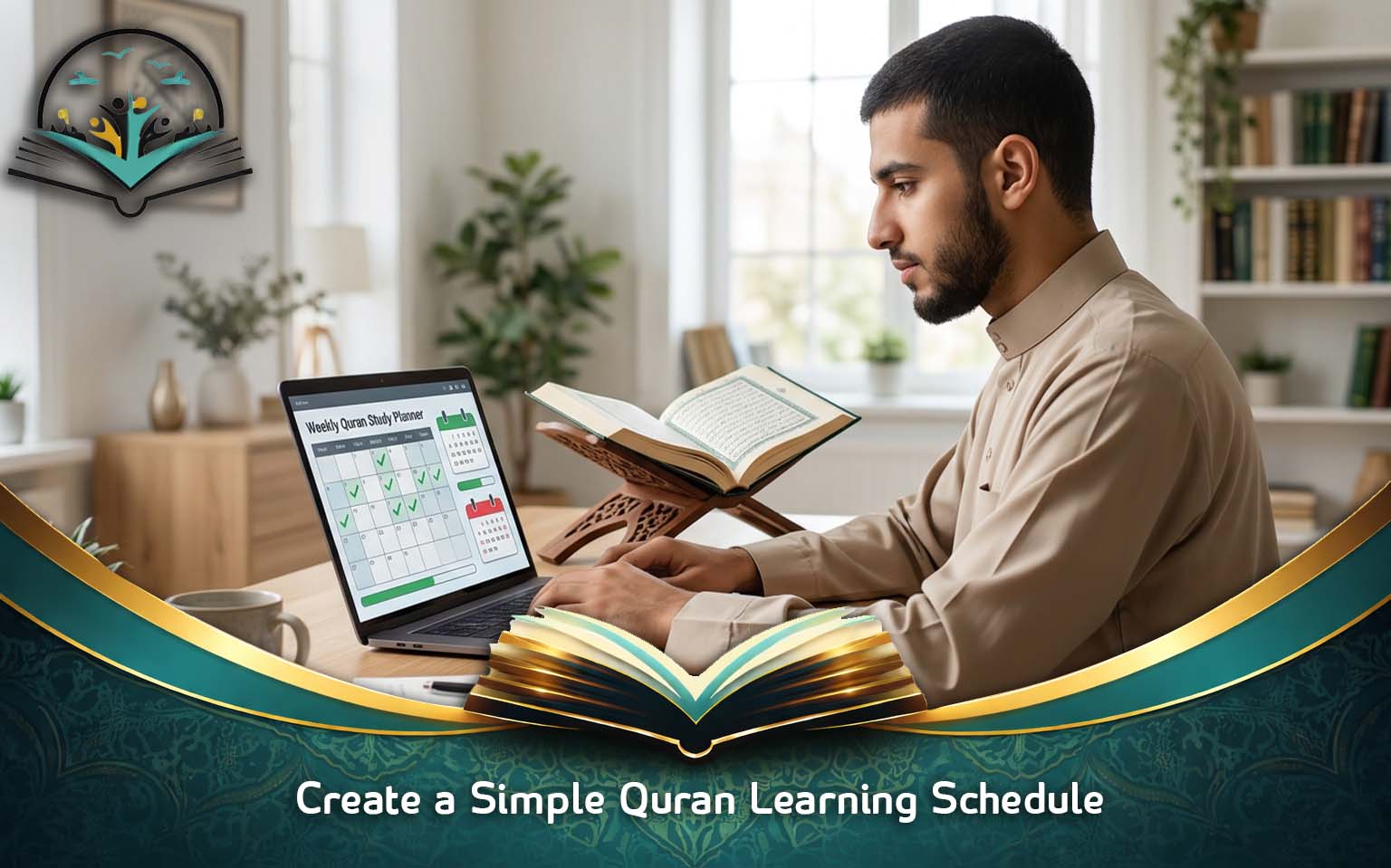
Consistency is more important than long study sessions. A child who practices for 10–15 minutes regularly may develop better habits than one who studies for an hour only once a week.
When planning how to teach the Quran to kids, create a realistic schedule that fits your family's daily routine. Here is an example of a weekly learning plan:
| Day | Learning Activity | Suggested Time |
|---|---|---|
| Monday | Arabic letter recognition | 10 minutes |
| Tuesday | Reading simple Arabic words | 15 minutes |
| Wednesday | Listening and repeating short verses | 15 minutes |
| Thursday | Practicing pronunciation | 10 minutes |
| Friday | Memorizing a short Surah | 15 minutes |
| Saturday | Reviewing previous lessons | 15 minutes |
| Sunday | Quran stories and revision | 15 minutes |
You can also adapt a Quran memorization schedule to your child's age and memorization ability. Most importantly, leave enough time for revision. Children need repeated practice to retain what they have learned.
Adjust Lesson Length to Your Child's Attention Span
Not every child can concentrate for the same amount of time. If your child becomes distracted after a few minutes, divide the lesson into smaller activities rather than insisting on completing everything in one session.
For example, spend five minutes reviewing Arabic letters, five minutes listening to a short Surah, and another five minutes practicing pronunciation. As your child becomes more comfortable, you can gradually adjust the session length according to their progress and interest.
Support Quran Learning for Children Living Abroad
Muslim families living in Western countries may face additional challenges when teaching the Quran at home.
For example, parents in the United States and Canada may have busy work schedules, while children attend school and participate in extracurricular activities. Similarly, Muslim families in the United Kingdom, Ireland, and New Zealand may need to coordinate Quran lessons around school hours and different time zones.
Online Quran education can provide a practical option for families who prefer learning from home.
When considering how to teach the Quran to kids through online lessons, parents should look for an appropriate learning level, clear communication, suitable lesson times, and teachers who can explain Quranic concepts in a child-friendly way.
Rattel W Artaqi Quran Academy is an option parents can explore when considering online Quran education for their children. Before enrolling, families should review the available programs, teaching arrangements, and lesson suitability for their child's needs.
Help Your Child Develop Independent Quran Learning Habits
As children become more confident, encourage them to take small steps toward independent learning.
For example, they can choose a short Surah to revise, listen to a familiar recitation, or read a few lines with parental supervision.
You can also introduce resources about how to learn quran as an adult to understand how Quran learning habits can continue into later stages of life.
For children from Muslim families who are new to Islam, learning may require additional attention to Arabic pronunciation, basic Islamic terminology, and foundational knowledge. Parents can also explore how to learn quran as a new Muslim as a starting point for understanding this learning journey.
Avoid expecting children to become independent readers too quickly. Continue offering encouragement and support whenever they encounter unfamiliar words or difficult verses.
What to Do When Your Child Refuses to Review Previous Lessons
Some children enjoy learning new verses but lose interest when asked to repeat previously memorized material. To address this, make revision feel different from the original lesson.
You can ask your child to recite a familiar Surah while getting ready for bed, identify a missing word, or listen to a verse and complete it from memory. Another useful approach is to let children choose which Surah they want to review first. Giving them small choices can make revision feel less like an obligation.
Common Mistakes Parents Should Avoid
Even with good intentions, certain teaching habits can make Quran learning unnecessarily stressful. Watch out for these common mistakes:
-
Forcing long lessons: Extended sessions can reduce children's concentration and motivation.
-
Comparing children: Every child has a different learning speed and ability.
-
Ignoring pronunciation: Allowing incorrect pronunciation to become a habit can make later correction more difficult.
-
Focusing only on memorization: Reading, listening, understanding, and revision are also important.
-
Using punishment: Children should feel encouraged rather than afraid when making mistakes.
A supportive learning environment helps children become more comfortable asking questions and practicing unfamiliar verses.
How Parents Can Recognize Their Child's Quran Learning Progress
Progress in Quran education is not measured by memorizing a large number of Surahs alone. Parents should also notice smaller improvements, such as recognizing Arabic letters more quickly, pronouncing difficult sounds more accurately, reading familiar words with greater confidence, and remembering previously learned verses.
Keeping a simple record of these achievements can help parents identify areas that need more practice. It also gives children a reason to feel proud of their efforts, even when progress happens gradually.
Frequently Asked Questions About Teaching Quran to Kids
Find answers to common questions about teaching children the Quran, choosing suitable learning methods, improving recitation, and building consistent Quran learning habits.
1. What is the best age to start teaching children the Quran?
Children can begin becoming familiar with Arabic letters and Quranic listening at an early age. However, the appropriate starting point depends on their development, attention span, and readiness to participate in structured activities.
2. How can parents help children who struggle with Arabic pronunciation?
Use slow demonstrations, repeated listening, and short pronunciation exercises. Correct one difficulty at a time and consider guidance from a qualified Quran teacher when needed.
3. Should children memorize the Quran before learning to read it?
Not necessarily. Children can listen to and memorize short Surahs while developing their reading skills. However, building a foundation in Arabic letters and pronunciation is important for accurate recitation.
4. How can parents motivate children who lose interest in Quran lessons?
Introduce variety through listening activities, stories, games, and achievable weekly goals. Also, recognize effort and progress instead of focusing only on mistakes.
Final Thoughts
Learning the Quran should be a meaningful and positive experience throughout childhood. By introducing Arabic gradually, practicing regularly, teaching pronunciation carefully, and choosing suitable learning activities, parents can help their children build lasting Quran learning habits.
If you are exploring structured online Quran education, consider Rattel W Artaqi Quran Academy and review its available learning options to determine whether they suit your child's needs. A patient approach and consistent encouragement can make an important difference in your child's Quran journey.
Add New Comment