 العربية
 English

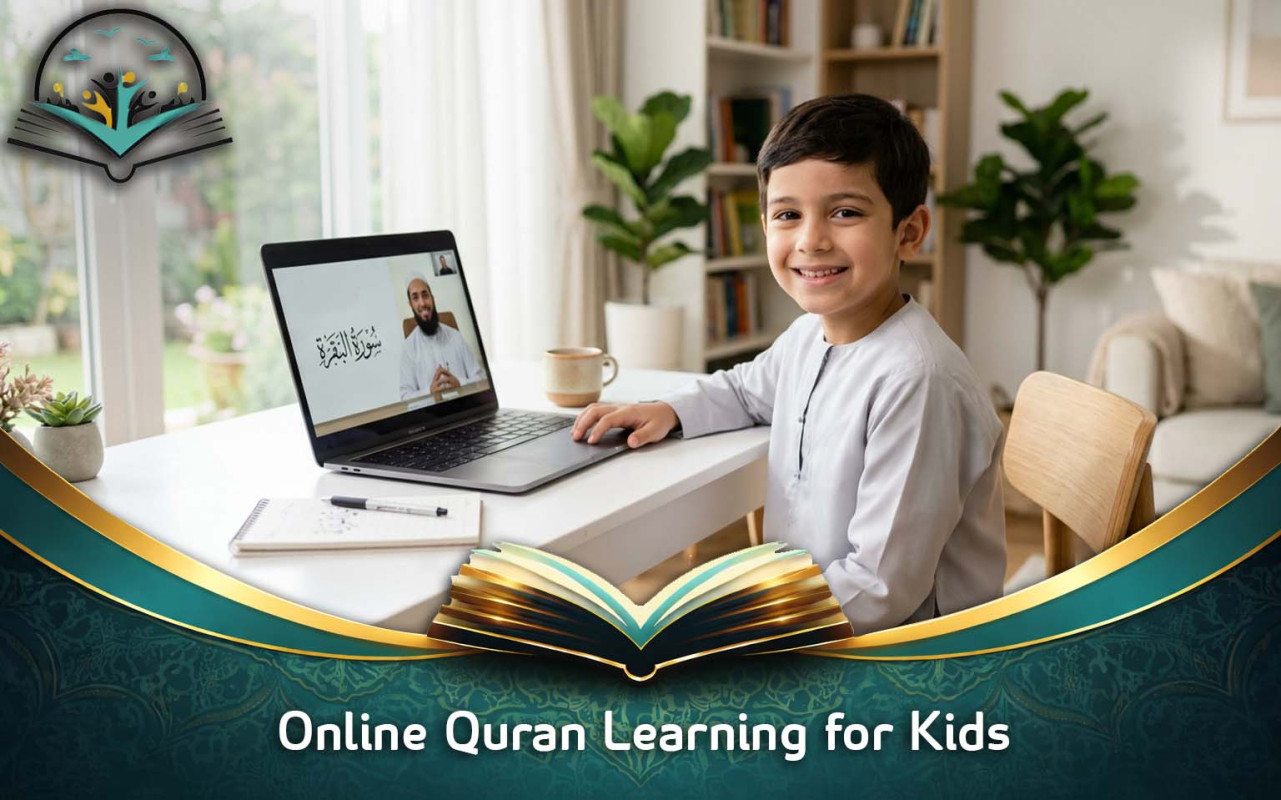
Online Quran Learning for Kids is one of the most important priorities for Muslim parents who want their children to build a lifelong connection with the Quran while developing correct recitation, strong Islamic values, and a love for learning from an early age.
Choosing the right learning environment plays a significant role in a child's progress, especially when lessons are engaging, age-appropriate, and taught by qualified teachers. Rattel Wartaqi Quran Academy provides structured online Quran classes designed to help children learn at their own pace through interactive lessons, personalized guidance, and consistent support.
In this guide, you'll discover the best methods for teaching the Quran to children, how to choose the right online program, and practical tips to help your child succeed in their Quran learning journey.
Why Teaching the Quran During Childhood Matters?
Childhood is one of the most important stages for developing lifelong habits. During these early years, children absorb information quickly, imitate good examples, and build routines that often remain with them throughout adulthood.
Teaching the Quran during childhood offers benefits that extend far beyond learning Arabic letters or memorizing Surahs. It helps children strengthen their relationship with Allah, improve their character, and develop discipline that positively affects every area of life.
Children who begin studying the Quran early often become more comfortable with Arabic pronunciation because their minds naturally adapt to unfamiliar sounds. This makes learning Tajweed much easier compared to starting later in life.
Early Quran education also creates positive family memories. When children associate Quran time with encouragement, kindness, and consistency, they are far more likely to continue learning as they grow older.
Instead of viewing Quran lessons as another school subject, children begin to see the Quran as an essential part of their daily lives.
Start Your Child’s Quran Journey Today
Give your child the opportunity to learn the Quran in a supportive and engaging environment. With qualified teachers, personalized lessons, and flexible online classes, your child can build strong recitation skills, improve Tajweed, and develop a lifelong love for the Quran. Enroll today and help your child take the first step toward meaningful Quran learning.

The Best Age to Start Quran Learning
Many parents wonder when their children should begin learning the Quran. The truth is that there is no single perfect age. Every child develops differently, but introducing the Quran gradually from an early age produces excellent long-term results.
Ages 3–5: Building Love for the Quran
At this stage, the objective is not intensive study. Instead, parents should help children become familiar with the Quran through listening, repetition, and short daily sessions. Simple activities include:
- Listening to beautiful Quran recitation.
- Memorizing very short Surahs.
- Learning basic Islamic phrases.
- Reading Quran stories together.
- Practicing for five to ten minutes daily.
Ages 6–9: Learning to Read
As children develop better focus and learning abilities, they become ready for structured Quran reading lessons. During this stage, they should begin learning:
- Arabic letters.
- Correct pronunciation.
- Reading short Quran verses.
- Basic Tajweed rules.
- Daily revision habits.
This strong foundation helps children develop fluent Quran with tajweed online skills, improve accuracy, and progress confidently to more advanced levels of recitation.
Ages 10–13: Improving Fluency
Once children read confidently, the focus shifts to refining their recitation, strengthening Tajweed, improving fluency, and developing a more in-depth understanding through regular practice, including:
- Smooth Quran reading.
- Correct application of Tajweed.
- Memorizing longer Surahs.
- Understanding simple Quran meanings.
- Building confidence during recitation.
Consistent practice helps children build lasting Quran reading skills, improve confidence, and achieve steady progress more effectively than rushing through lessons.
Teenagers: Connecting with the Meaning
Older students gain the greatest benefit when Quran education includes understanding, reflection, and practical application alongside memorization. At this stage, they should focus on:
- Tafsir suitable for their age.
- Practical lessons from Quran stories.
- Daily application of Quran teachings.
- Personal reflection.
- Strong revision routines.
Teenagers who understand the message of the Quran often develop a deeper emotional connection than those who memorize without understanding.
Why Online Quran Classes Have Become So Popular?

Modern technology has made Quran education accessible to Muslim families worldwide. Parents no longer need to depend solely on local Quran teachers or travel long distances to attend classes. Online learning provides flexibility without sacrificing educational quality. Some of the biggest advantages include:
- Flexible scheduling.
- Learning from home.
- Individual attention.
- Regular progress tracking.
- Comfortable learning environment.
- Easier communication with teachers.
Many children actually feel more confident learning from home because they are in a familiar environment free from classroom distractions. This allows teachers to focus entirely on each student's strengths and areas that need improvement.
What Makes an Online Quran Program Effective?
Not every online Quran program delivers the same results. Parents should evaluate several important factors before enrolling their children. A quality program should include:
Qualified Teachers
Teachers should possess strong Quran knowledge while also understanding how children learn. Patience, kindness, and clear communication are just as important as academic qualifications.
Individual Learning Plans
Every child learns differently. Some students progress rapidly with reading, while others require additional pronunciation practice. A personalized learning plan helps each child move forward without unnecessary pressure.
Interactive Lessons
Children learn more effectively when lessons are engaging, interactive, and adapted to their age, helping them stay focused and actively participate throughout each session.
- Questions and answers.
- Reading practice.
- Positive feedback.
- Small learning goals.
- Regular revision.
Interactive lessons keep children engaged, improve concentration, encourage active participation, and make Quran learning more enjoyable and effective.
Consistent Progress Reports
- What their child has learned.
- Which Surahs have been memorized?
- What needs additional practice?
- Future learning goals.
Regular communication strengthens cooperation between teachers and families. For this reason, many parents choose Rattel Wartaqi Quran Academy, where structured lesson plans and continuous progress monitoring help children build confidence while advancing step by step.
Essential Quran Skills Every Child Should Learn
A successful Quran education is built on several core skills that develop gradually over time. Parents should avoid focusing only on memorization, as true progress comes from balancing reading, pronunciation, understanding, and consistent practice. When these skills grow together, children become confident readers who enjoy spending time with the Quran.
Learning the Arabic Alphabet
Every child's journey begins with recognizing learn Arabic alphabets and understanding how they connect to form words. A strong foundation at this stage prevents many reading mistakes later.
Instead of rushing through the alphabet, children should practice identifying each letter, learning its different forms, and reading simple combinations before moving to complete words. Frequent revision helps children remember what they have learned and increases their confidence with every lesson.
Developing Correct Pronunciation
Pronouncing Arabic letters correctly is one of the most important parts of Quran learning. Some sounds do not exist in English or other languages, so children benefit greatly from hearing qualified teachers recite before repeating the verses themselves.
Patient correction during every lesson prevents incorrect pronunciation from becoming a long-term habit. Parents can also support this process by allowing children to listen regularly to beautiful Quran recitations at home.
Understanding Basic Tajweed
Tajweed should not be introduced as a collection of difficult rules that children must memorize. Instead, it should become a natural part of daily reading practice.
As children improve their recitation, they gradually learn when to lengthen sounds, where to pause, and how to pronounce each letter correctly. Teaching Tajweed step by step makes learning enjoyable while improving recitation quality naturally.
Memorization Should Be Gradual, Not Rushed
Many parents hope their children will memorize large portions of the Quran quickly. While this goal is admirable, rushing often produces weak memorization that disappears after only a few weeks. A better approach is to focus on quality rather than speed. Children remember the Quran more effectively when they:
- Memorize small portions consistently.
- Review previous lessons every day.
- Read the verses before memorizing them.
- Listen to the same reciter regularly.
- Practice with their teacher each week.
Even memorizing a few verses consistently creates stronger long-term results than trying to finish many pages without proper revision.
How Parents Can Support Quran Learning at Home?
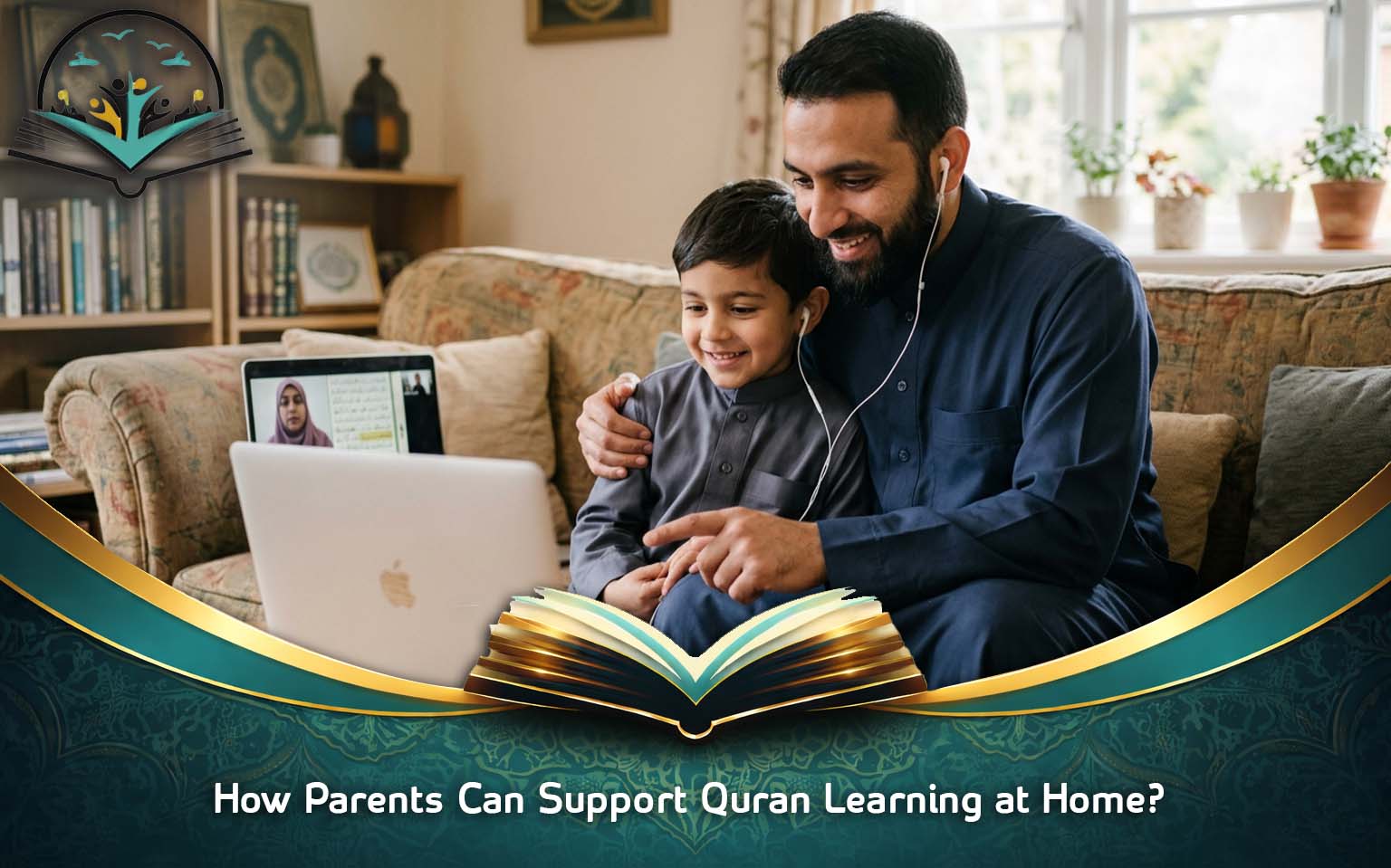
Parents do not need to be Quran teachers to help their children succeed. Their role is to create a supportive environment that encourages consistency and makes online Quran learning for kids an enjoyable part of daily family life. Here are several practical ways parents can help their children build confidence and stay motivated.
Create a Daily Routine
One of the most effective ways to improve online Quran learning for kids is by establishing a consistent daily routine. Children perform better when Quran lessons become part of their regular schedule. Whether lessons take place after Fajr, after school, or before bedtime, studying at the same time each day helps build discipline and reduces resistance. Even fifteen to twenty minutes of focused practice can produce remarkable progress over time.
Celebrate Small Achievements
Motivation is essential for successful online Quran learning for kids Islamic education. Parents should celebrate every achievement, no matter how small, to encourage confidence, consistency, and a positive attitude toward learning. Celebrate milestones such as:
- Reading the first Quran page.
- Memorizing a new Surah.
- Improving pronunciation.
- Completing a lesson without mistakes.
- Maintaining consistent attendance.
Simple praise and small rewards motivate children to stay engaged, build confidence, and encourage consistent effort throughout their Quran learning journey.
Practice Together
Children become more motivated when they see their parents valuing the Quran. Reading together for a few minutes each day, listening to the Quran during family activities, or discussing the meaning of simple verses helps strengthen the emotional connection with the Quran. These shared moments also make online Quran learning for kids more meaningful and enjoyable, creating positive memories that last a lifetime.
Common Challenges Parents Face
Every learning journey includes obstacles, especially with young children. Fortunately, most challenges can be solved with patience and the right teaching approach.
Short Attention Spans
Young children have short attention spans, so brief, engaging Quran lessons work best. Interactive activities, positive encouragement, and short breaks help maintain focus, improve participation, and make online Quran learning for kids more enjoyable than lengthy sessions.
Fear of Making Mistakes
Some children become nervous when reading aloud because they worry about making errors. Qualified teachers understand that mistakes are part of learning. Positive correction builds confidence far more effectively than criticism, and children who feel safe asking questions usually improve much faster.
Busy Family Schedules
School, homework, sports, and family responsibilities often make scheduling difficult. Online Quran classes solve much of this problem by allowing parents to select lesson times that fit comfortably into their weekly routine. Consistency matters far more than the number of hours spent studying.
Choosing the Right Quran Teacher
The teacher has one of the greatest influences on a child's learning experience. Before enrolling your child, consider several important qualities. Look for teachers who:
- Have strong Quran and Tajweed qualifications.
- Understand child-centered teaching methods.
- Encourage students patiently.
- Adapt lessons to individual learning speeds.
- Communicate regularly with parents.
- Provide structured learning plans.
A supportive teacher inspires children to look forward to every lesson instead of seeing Quran study as an obligation. Families seeking this type of learning environment often appreciate the personalized approach offered by Rattel Wartaqi Quran Academy, where lessons are designed around each student's age, experience, and learning goals.
Why Consistency Is More Important Than Speed?
One of the biggest misconceptions among parents is that faster progress always means better results. In reality, children who learn at a steady pace often develop stronger reading skills, better pronunciation, and longer-lasting memorization than those who rush through lessons.
A consistent routine allows children to review previous material, strengthen their confidence, and avoid feeling overwhelmed. Even if a child studies for only 20 to 30 minutes several times a week, regular practice produces excellent long-term results and supports lasting success in online Quran learning for kids.
Parents should remember that every child progresses differently. Comparing one child to another can reduce motivation and make learning feel like a competition rather than a rewarding spiritual journey. Instead, focus on continuous improvement, celebrate every achievement, and allow children to progress at a pace that builds both confidence and a lifelong connection with the Quran.
Signs Your Child Is Making Good Progress
Many parents measure success by the number of Surahs their child memorizes. While memorization is important, it is only one indicator of progress. A child is developing well if they are gradually improving in several areas, including:
- Reading Quran verses with greater confidence.
- Pronouncing Arabic letters more accurately.
- Applying Tajweed rules naturally.
- Remembering previously learned Surahs.
- Showing enthusiasm for Quran lessons.
- Asking questions about the meanings of verses.
- Completing lessons with focus and consistency.
These signs demonstrate that the child is building a genuine relationship with the Quran rather than simply trying to finish a curriculum.
Why Personalized Learning Makes a Difference?
Every child has unique strengths, challenges, and learning preferences. Some children memorize quickly but need extra help with pronunciation, while others read fluently but require more revision to strengthen retention.
For this reason, personalized instruction often delivers better results than large group classes. When lessons are tailored to an individual student, teachers can:
- Adjust the lesson pace.
- Spend extra time correcting difficult sounds.
- Review previous material whenever needed.
- Choose activities that match the child's age.
- Build confidence through positive encouragement.
This individualized approach helps children stay motivated while making steady progress throughout their Quran learning journey.
Why Parents Choose Rattel Wartaqi Quran Academy?
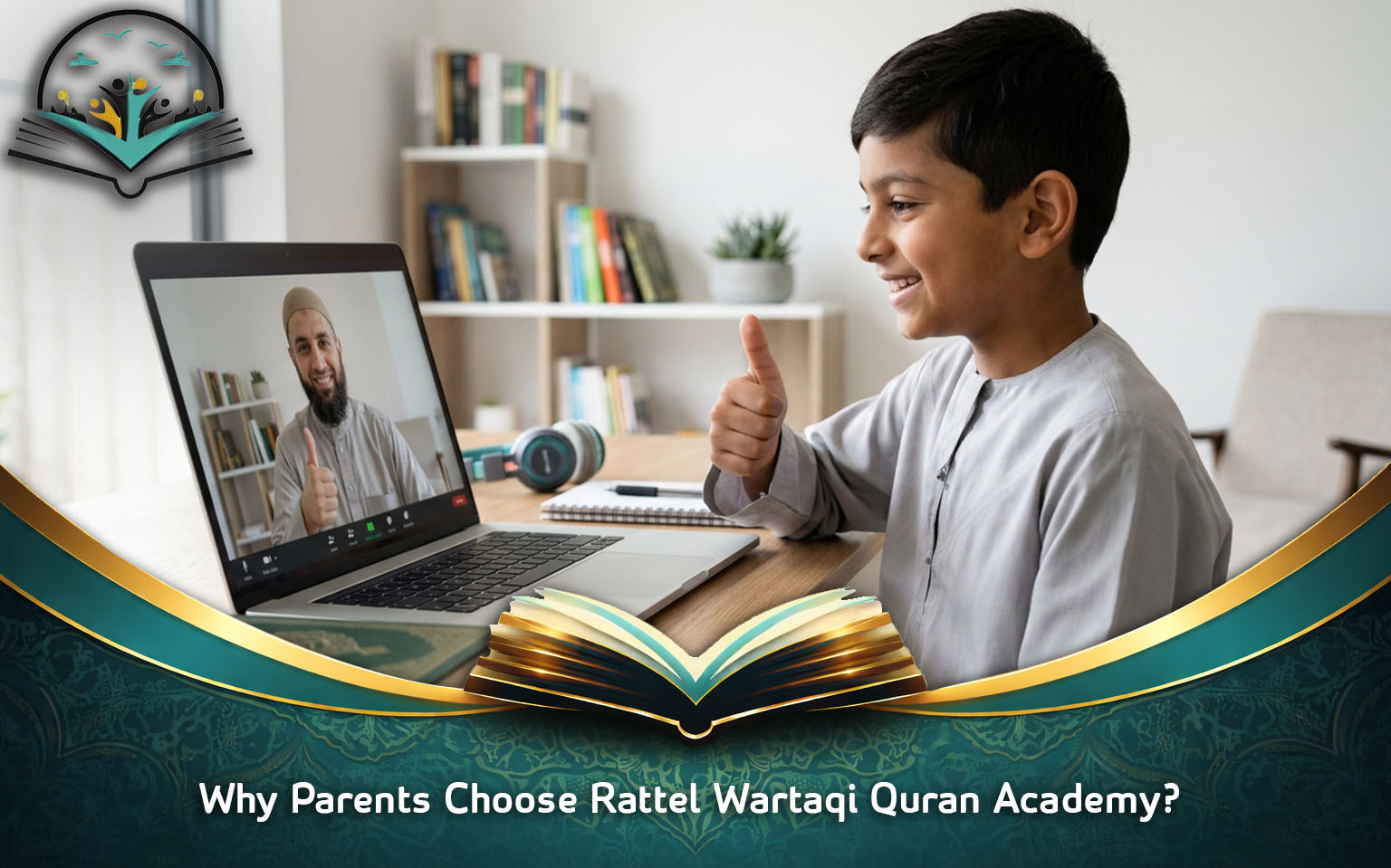
Selecting the right Quran program is one of the most important decisions parents can make. A supportive learning environment, qualified teachers, and structured lessons all contribute to a child's success.
Rattel Wartaqi online Islamic academy for kids focuses on providing engaging one-on-one online Quran classes designed specifically for children of different ages and learning levels. Lessons are carefully planned to develop reading fluency, proper Tajweed, memorization, and a genuine love for the Quran.
Experienced instructors understand that every child learns differently. They create personalized lesson plans, monitor progress regularly, and communicate with parents to ensure continuous improvement.
Whether a child is just beginning to recognize Arabic letters or is ready to strengthen Tajweed and memorization, the academy provides step-by-step guidance that helps students build confidence while enjoying the learning process.
Frequently Asked Questions
Below are answers to some of the most frequently asked questions parents have about teaching children the Quran, choosing online classes, and supporting consistent Quran learning at home.
How many Quran lessons per week are ideal for children?
Most children benefit from two to four lessons each week, depending on their age and schedule. Regular practice between lessons is just as important as classroom time, as it helps reinforce reading skills, memorization, and correct pronunciation.
Should children understand the meaning of the Quran while learning to read?
Yes. While learning to read Arabic is the priority, introducing simple explanations of Quranic verses helps children build a stronger emotional connection with the Quran. Understanding the message encourages them to appreciate its teachings rather than viewing reading as a memorization exercise alone.
What should parents look for before enrolling in online Quran classes?
Parents should choose a program that offers qualified Quran teachers, personalized lesson plans, flexible scheduling, regular progress updates, and a supportive learning environment. A well-structured program ensures that children develop reading accuracy, Tajweed skills, and confidence at a pace that suits their individual abilities.
In conclusion, helping your child learn the Quran is a meaningful investment that brings lifelong spiritual and personal benefits. With consistent practice, patient guidance, and qualified instruction, children can develop strong recitation skills, understand the values of the Quran, and build a lasting connection with Allah.
Rattel Wartaqi Quran Academy provides a supportive online learning environment where children receive personalized lessons from experienced teachers, making Quran learning both enjoyable and effective. Starting early and maintaining a consistent routine can help your child grow with confidence and a lifelong love for the Quran.
Add New Comment