 العربية
 English

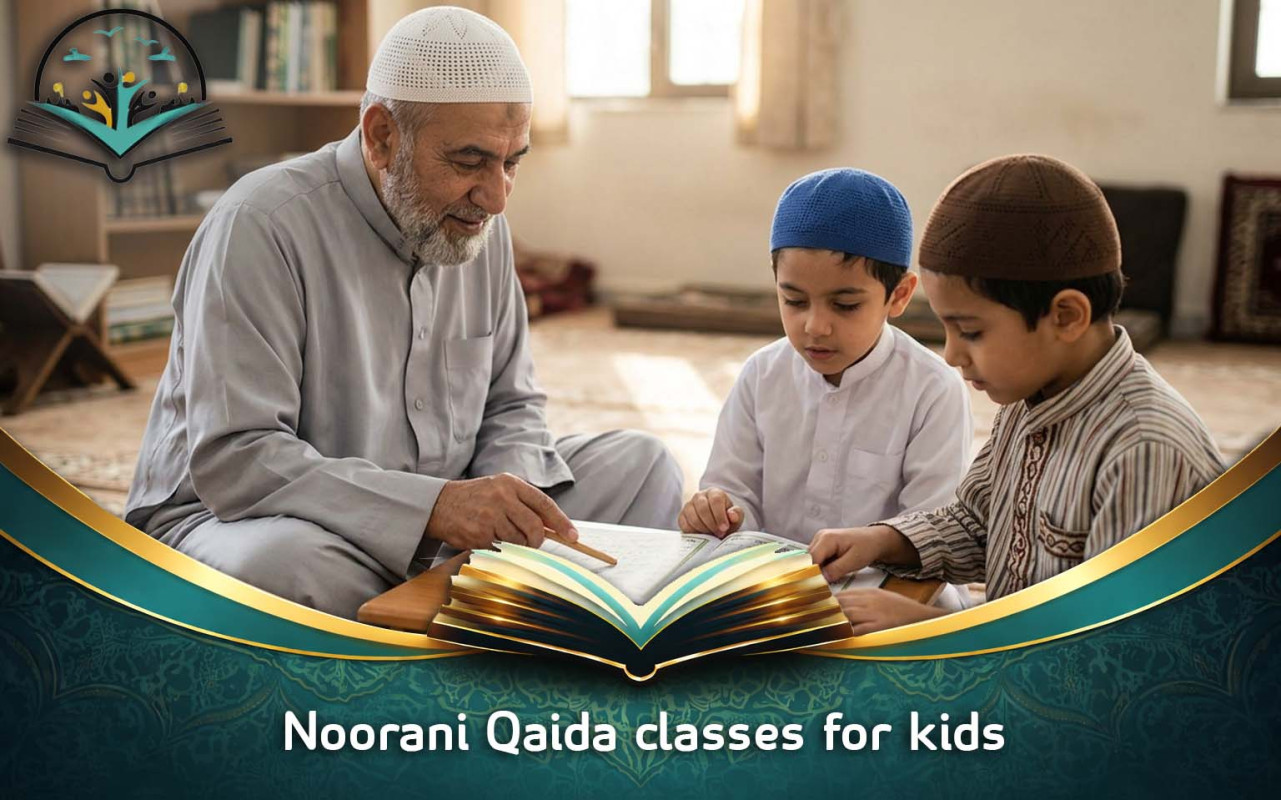
Noorani Qaida Classes For Kids at Rattel W Artaqi Quran Academy help children build strong Quran reading skills through engaging and beginner-friendly lessons.
These classes focus on teaching Arabic letters, pronunciation, and tajweed rules in a simple and interactive environment.
Young learners often need patient instruction and repetition to understand Quranic reading correctly. Therefore, experienced teachers use easy methods that match the child’s age and learning level.
In addition, fun activities and regular practice encourage children to stay motivated throughout the learning process. With proper guidance and supportive teaching, kids can gradually improve their recitation skills and develop confidence while learning the Quran accurately.
Why Early Quran Learning Creates Long-Term Confidence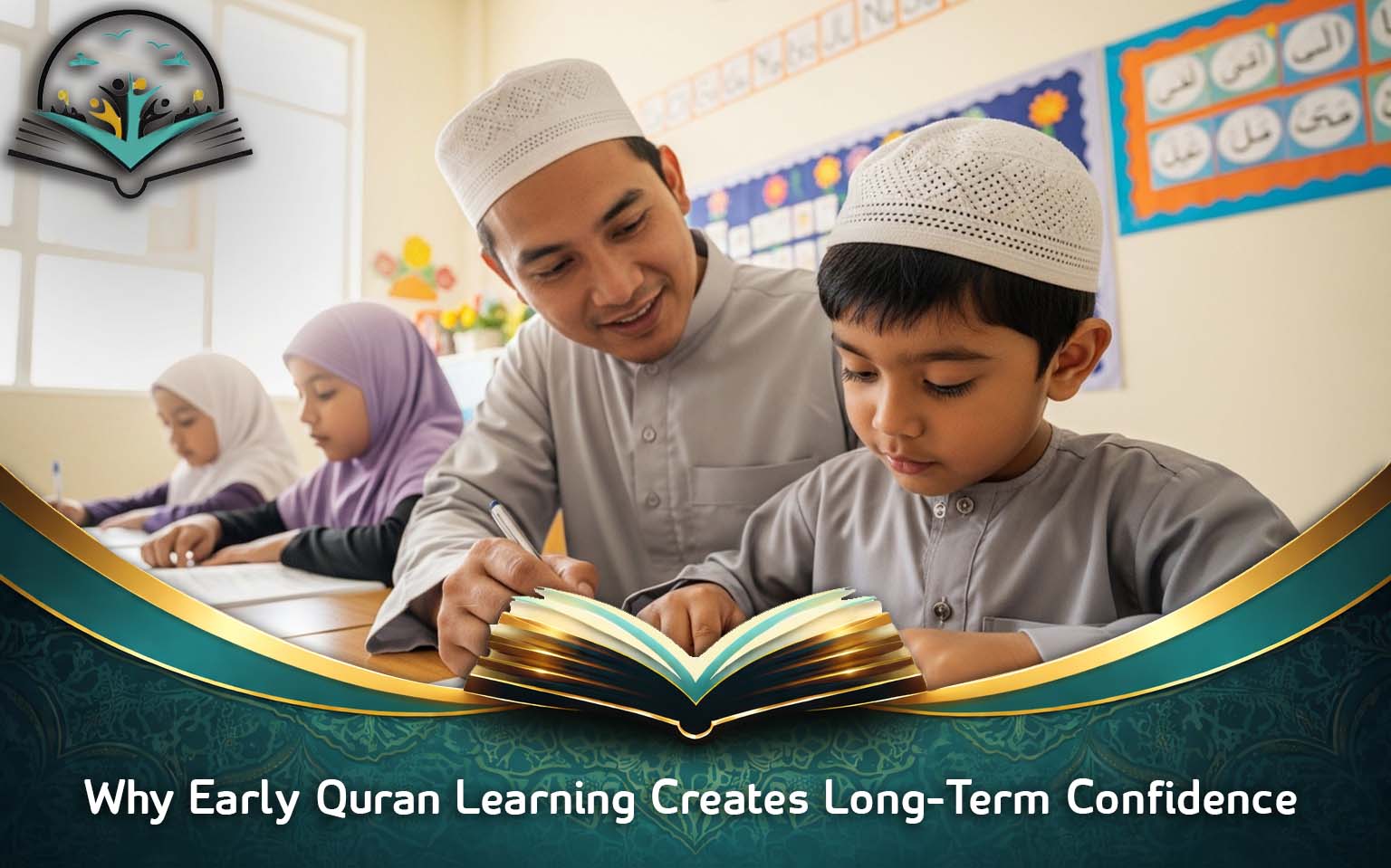
Parents often search for effective ways to help children read the Quran correctly without confusion, pressure, or overwhelming lesson structures later.
Early guidance shapes pronunciation habits permanently, which means children benefit from learning accurate articulation before incorrect habits become difficult to fix completely.
Strong foundations also improve confidence during recitation because learners recognize letters, connect sounds, and understand reading patterns naturally from the beginning.
At Rattel Wartaqi Quran Academy, instructors focus on gradual progress instead of rushing children through difficult material before mastering essential reading fundamentals properly.
This balanced method helps young learners enjoy lessons while improving concentration, pronunciation accuracy, and Quran reading fluency consistently over time.
Parents also notice that children become emotionally connected to Quran learning when lessons remain calm, encouraging, interactive, and organized around realistic learning goals daily.
Start Your Child’s Quran Journey with Confidence
Every child deserves a learning experience that builds confidence, improves pronunciation, and creates a genuine connection with the Holy Quran naturally over time.
At Rattel Wartaqi Quran Academy, experienced teachers guide children through structured lessons designed specifically for young learners who need patience, encouragement, and clear step-by-step instruction daily.
Interactive sessions, flexible scheduling, and personalized attention help students progress comfortably without pressure or confusion during their Quran learning journey.
Whether your child is completely new to Arabic reading or needs stronger Tajweed foundations, the academy provides supportive guidance that helps children develop lasting Quran recitation skills with confidence, accuracy, and consistency.

Understanding the Purpose of Noorani Qaida
The Noorani Qaida acts as a beginner-friendly system that teaches Arabic letters, pronunciation rules, vowel sounds, and reading combinations gradually and clearly.
Instead of exposing children directly to difficult Quranic pages immediately, the Qaida creates a smoother educational transition through organized reading exercises and phonetic practice lessons carefully designed for beginners, helping them gradually understand essential Facts about Islam in a clear and accessible way.
Children first learn isolated letters before progressing toward joined words, vowel combinations, elongation rules, and pronunciation corrections through repeated guided recitation sessions.
This process improves listening skills because students imitate proper sounds while learning the correct mouth positions required for accurate articulation during Quran recitation.
Families searching for reliable Noorani Qaida classes for kids usually want structured lessons that simplify Arabic reading while protecting children from developing pronunciation mistakes early.
That concern matters because correcting weak pronunciation later often requires additional effort, repetition, and relearning foundational reading habits completely from the beginning stages.
Read also: What is Ihram
Choosing the Right Age to Begin Quran Reading Lessons
Many parents wonder whether their child should start Quran lessons at four years old, six years old, or even later during elementary education. The truth depends more on emotional readiness, listening ability, and attention span than a specific number connected to physical age alone.
Several signs indicate that children may be ready for structured Quran learning lessons at home or through online educational programs successfully:
- They recognize sounds quickly and enjoy repeating words during interactive speaking or storytelling activities regularly with family members daily.
- They remain seated comfortably for short guided lessons without frustration, emotional resistance, or excessive distraction during structured learning moments consistently.
- They respond positively to praise, encouragement, colorful learning materials, and simple educational games connected to language development naturally.
Parents should avoid comparing one child’s progress with another because learning speed varies based on personality, environment, confidence, and repetition frequency greatly.
When you learn Noorani Qaida, consistency is far more important than rushing through lessons, because correct pronunciation develops slowly through patient practice and steady, repeated reinforcement over time.
Building a Comfortable Learning Environment at Home
Children absorb information faster when the learning atmosphere feels calm, supportive, and emotionally safe instead of stressful or demanding every single session. A comfortable study space improves focus because fewer distractions compete for the child’s attention during reading practice and pronunciation correction exercises regularly.
At Rattel Wartaqi Quran Academy, teachers encourage families to create encouraging routines instead of strict academic pressure around Quran education entirely.
Children respond better when parents celebrate small improvements regularly because recognition strengthens confidence and encourages greater participation during future learning sessions naturally and enthusiastically.
Parents also improve results when they participate directly during lessons occasionally instead of depending completely on tutors or educational applications constantly.
Shared recitation moments create emotional support while reinforcing the importance of Quran learning within normal family routines beautifully and meaningfully.
Effective Teaching Methods That Improve Pronunciation Faster
Children learn differently, which means successful Quran instruction should combine visual learning, listening exercises, movement activities, and practical pronunciation repetition consistently.
Depending on only one teaching method often reduces engagement because children naturally respond to variety during educational experiences throughout different developmental stages emotionally and mentally.
Several practical methods help children improve pronunciation and retain lessons more effectively during structured Quran reading sessions regularly:
- Listening repeatedly to qualified Quran reciters strengthens pronunciation rhythm while improving recognition of correct Arabic sound articulation patterns naturally over time.
- Using colorful flashcards improves visual memory because children associate sounds directly with recognizable Arabic letter shapes consistently during revision exercises.
- Short reading competitions increase motivation gently while helping children practice confidently without feeling pressured or emotionally overwhelmed during lessons regularly.
Parents searching for organized Noorani Qaida classes for kids often prefer programs combining multiple teaching methods because children remain engaged longer through variety.
Balanced instruction improves reading fluency gradually while supporting emotional confidence, pronunciation clarity, and stronger Tajweed awareness throughout foundational Quran education lessons effectively.
Creating a Step-by-Step Learning Routine for Better Results
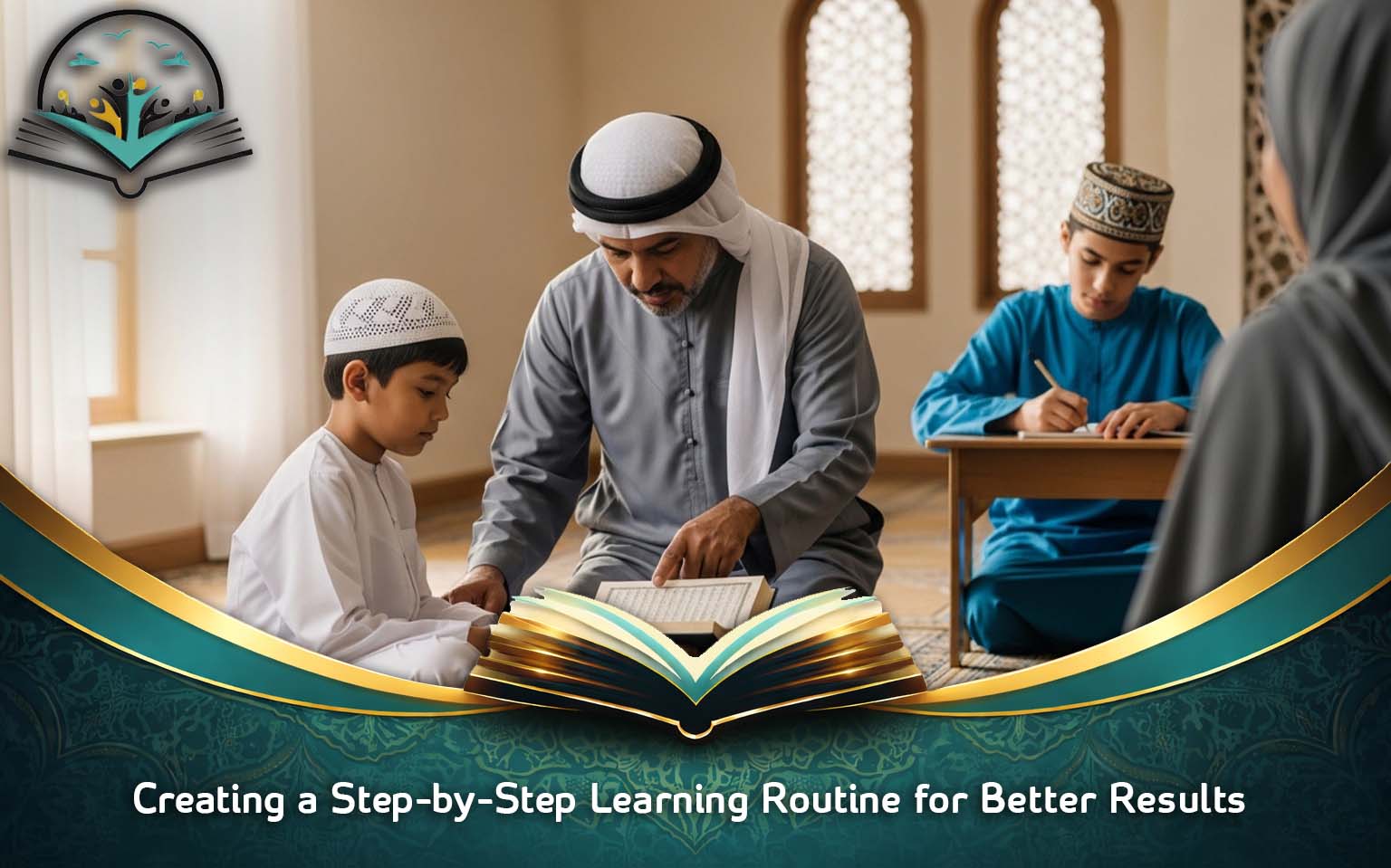
A structured lesson plan prevents confusion because children understand exactly what they will practice during each learning stage clearly and comfortably.
Random instruction sometimes weakens retention because learners struggle to connect previous lessons with new concepts introduced too quickly without organized progression patterns consistently.
The first stage usually focuses on Arabic letter recognition alongside accurate pronunciation practice through repeated listening and guided verbal repetition exercises daily. Once children identify letters confidently, teachers introduce short vowel sounds before moving toward combined syllables, joined words, and elongation rules gradually afterward.
Children should spend enough time mastering foundational skills before transitioning toward advanced reading concepts involving Tajweed details or connected Quranic phrases entirely.
Rushing through lessons may create temporary progress visually, yet pronunciation weaknesses often appear later when children attempt longer Quranic passages independently during recitation practice.
In a Quran tafsir course online , Rattel Wartaqi Quran Academy carefully structures lessons to help children absorb information comfortably, avoiding mental fatigue or unnecessary pressure that could negatively affect their motivation.
This gradual structure in Islamic Courses Online helps students strengthen pronunciation, improve fluency, and sustain genuine enthusiasm for Quran learning throughout their educational journey.
Frequently Asked Questions
Many parents still have practical concerns before enrolling children into Quran programs, especially regarding technology, scheduling flexibility, and maintaining progress consistently.
Can children learn Noorani Qaida effectively through online classes?
Yes, online learning works very effectively when lessons remain interactive, organized, and supported by qualified instructors experienced in teaching young children patiently.
How many lessons each week help children progress steadily?
Most children benefit from three to five weekly sessions combined with short daily revision practice sessions at home consistently throughout the learning process.
What should parents do when children lose motivation during lessons?
Parents should avoid turning Quran learning into a stressful obligation connected only to correction or academic pressure constantly during lessons.
In conclusion, Noorani Qaida classes give children the essential foundation they need before starting Quran reading and memorization. These lessons improve pronunciation, strengthen Arabic reading skills, and help kids understand tajweed basics from an early stage.
Furthermore, structured learning allows children to progress comfortably without feeling overwhelmed or confused. Rattel W Artaqi Quran Academy creates a supportive atmosphere where young learners can enjoy learning while building confidence in their recitation abilities.
Through consistent practice, encouragement, and professional teaching methods in Kids Islamic education , children develop a stronger connection to the Quran and gain essential Islamic knowledge that supports their spiritual and academic growth for years to come.
Read also: aqidah classes for beginners
Add New Comment